Functional Organization: How Space Optimization Can Transform Your Daily Routine

A Vision of Order and Efficiency
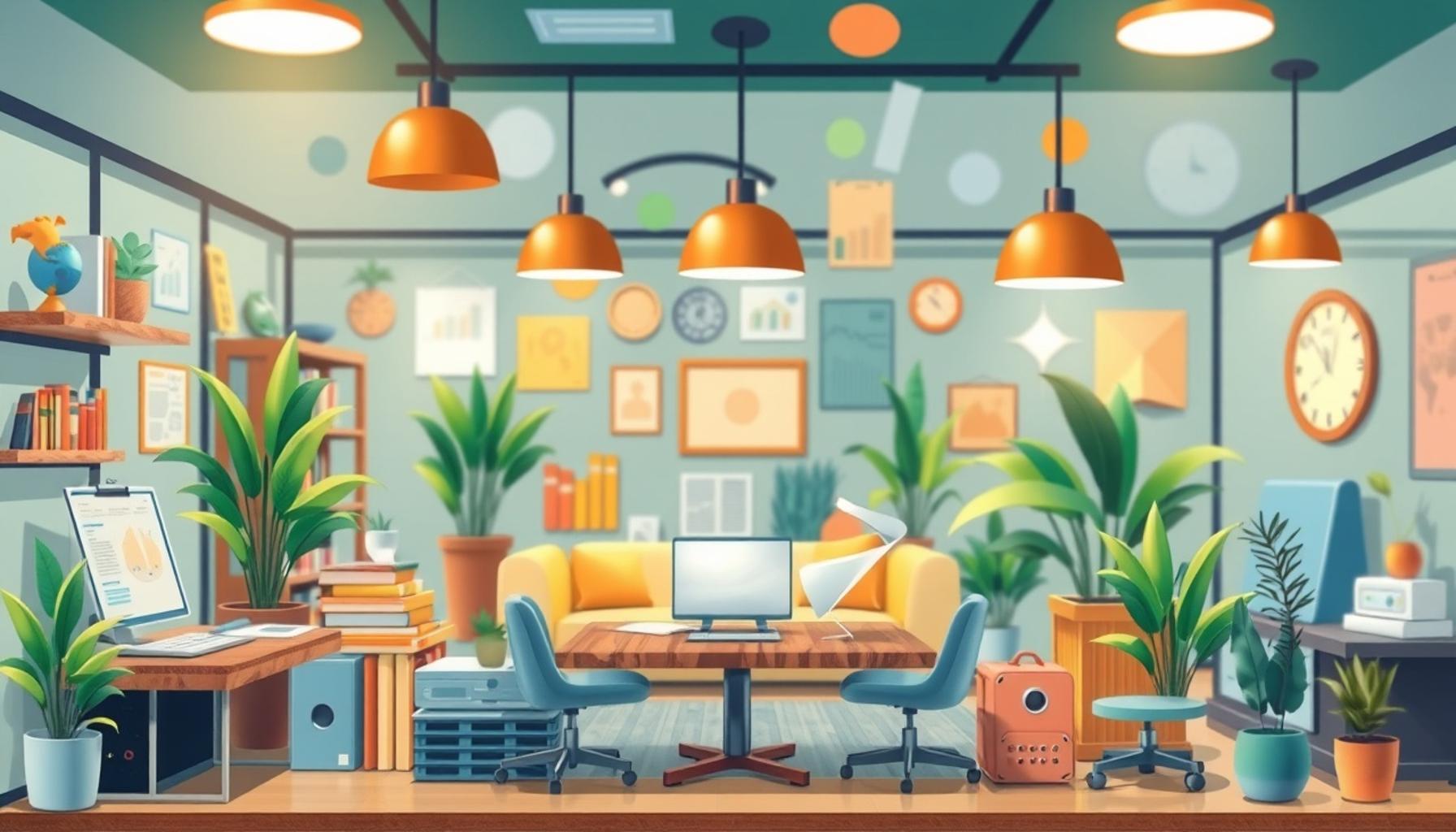
Imagine walking into a space where everything is in its designated spot, where your tasks effortlessly transition from one to another without the clumsiness of clutter. This is the promise of functional organization. By optimizing both our living and working environments, we can create spaces that not only look good but also enhance our overall productivity and efficiency.
The Benefits of Space Optimization
When we talk about space optimization, we are referring to the strategic arrangement of items and tasks to maximize efficiency. The benefits are substantial:
- Enhanced productivity: A well-organized space reduces distractions. For instance, individuals who keep their desks free of unnecessary papers tend to work more efficiently when their tasks are clearly defined and within reach.
- Reduced stress: Clutter can create a chaotic environment that may heighten anxiety levels. In contrast, a neatly organized home allows for a sense of calm, where each object has its purpose. Consider how a minimalist aesthetic in your living room can provide a serene environment, promoting mental peace.
- Time-saving: How much time do we lose searching for misplaced items? With effective organization, you spend less time scavenging for tools, documents, or personal items, allowing for more time to focus on your work or leisure activities.
Transformative Changes for Everyday Life
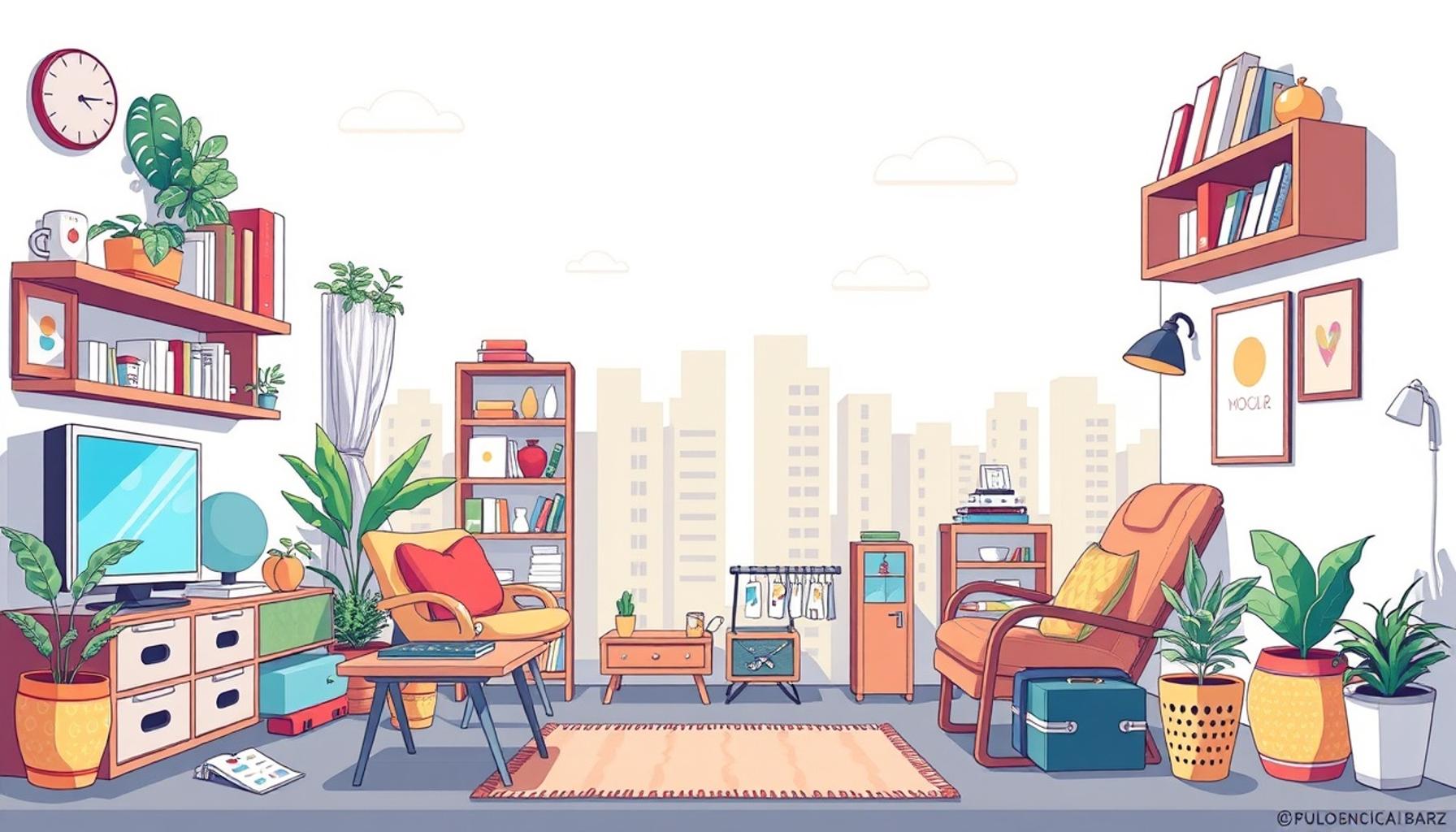
In today’s fast-paced lifestyle, implementing small organizational changes can yield profound impacts on our daily routines. For example, incorporating vertical storage solutions, such as shelves or wall-mounted organizers, can significantly free up floor space in your home. This creates an open atmosphere that feels less confined and promotes movement.
In professional settings, a clutter-free workspace is paramount. Imagine coming into the office and finding your desk clean, with essential documents at your fingertips and tools precisely arranged. Such an environment not only boosts efficiency but also encourages creativity and problem-solving. For instance, implementing a digital filing system can reduce physical paperwork, fostering a quick approach to accessing vital information.
Principles of Functional Organization
This article will dive deeper into the foundational principles of functional organization, offering practical strategies that anyone can adopt. Understanding these principles will prepare you to revolutionize your daily routines. Whether it’s employing zoning techniques to allocate specific areas for different tasks or embracing minimalist philosophies to limit the number of items you keep, every little adjustment can contribute to a more tailored environment that meets your needs.
In conclusion, the journey to transforming your surroundings into a functional haven starts with understanding the significance of space optimization. The results can lead to an enhanced quality of life where you feel more in control, more productive, and ultimately, more at peace. Discover how you can take your first steps toward this striking new reality.
Principles of Functional Organization
Embarking on the journey to a well-organized space requires an understanding of the core principles behind functional organization. At its heart, this concept revolves around creating environments that cater to our individual needs, promoting efficiency and harmony in everyday life. Below are several key principles to consider when optimizing your space:
- Assess Your Needs: Before diving into organization, take a moment to evaluate your daily activities. Consider how you use each space and identify areas where inefficiencies arise. For instance, if your kitchen is chaotic during meal prep, think about how utensils and ingredients are arranged.
- Establish Zones: Zoning involves defining specific areas within a space for particular activities. A well-defined workspace with clearly allocated zones for reading, paperwork, and computer use can drastically increase your focus. Within your home, delineating areas such as a relaxation zone and a work or study zone can enhance productivity and comfort.
- Declutter Purposefully: The essence of successful organization lies in minimizing clutter. Engaging in a decluttering process allows you to weed out items that no longer serve a purpose. Adopt a “one in, one out” philosophy where bringing new items into your space necessitates removing others. This reframes your perspective on consumption and space usage.
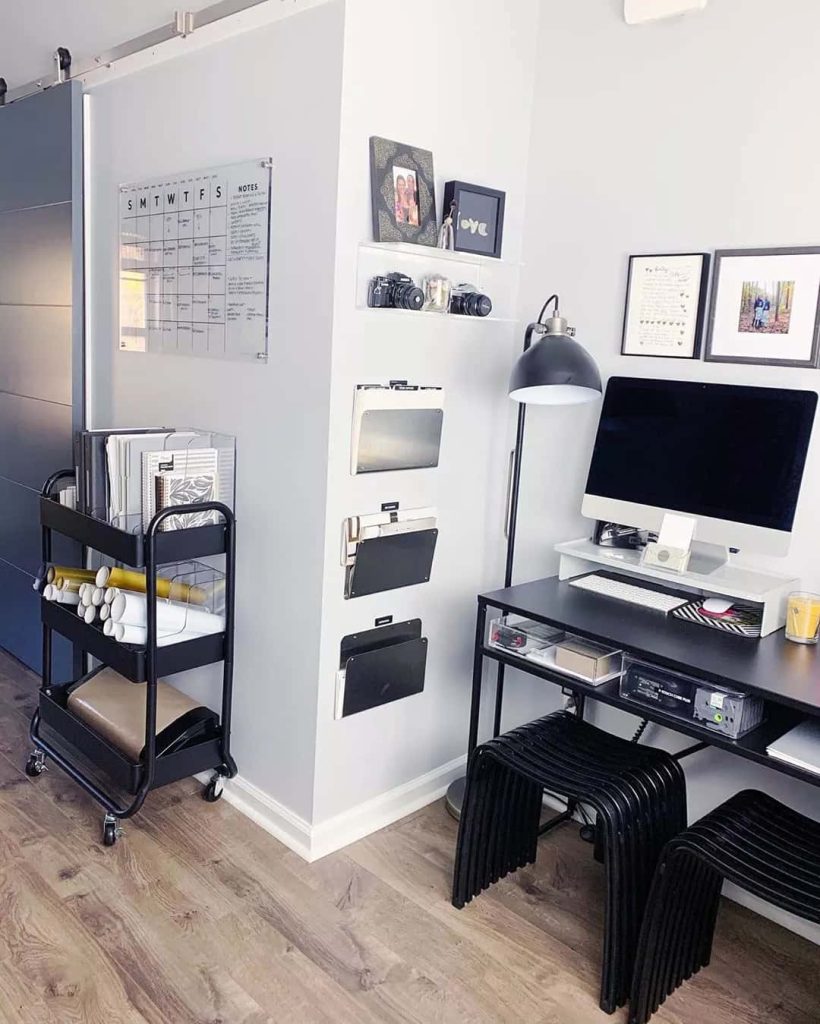
- Utilize Vertical Space: Many of us overlook the potential of vertical storage options. Shelves, wall-mounted organizers, and hooks can dramatically transform a small space into a functional powerhouse. Think about your home office: incorporating floating shelves can keep your desktop clear while still offering easy access to your books and supplies.
- Adopt a Minimalist Mindset: Beyond aesthetic appeal, minimalism is about making intentional choices regarding what to keep in your space. Adopting a minimalist mindset encourages you to select items with intention, fostering a sense of tranquility. A simple set of dishes or a limited number of books can create an open and inviting environment.
As you begin to integrate these principles into your daily life, you’ll find that space optimization not only enhances physical environments but also cultivates an enriching mental space. The clarity gained through thoughtful organization leads to improved task execution and a stronger ability to adapt to change.
Transitioning to a functional organization requires time and patience. However, the commitment to refining your surroundings will reap cognitive and emotional benefits that transform your routine. With focused attention on your specific needs and the strategic application of these principles, you can unlock a new level of productivity and well-being that you may have never thought possible.
Functional Organization and Its Impact on Daily Life
The concept of functional organization revolves around maximizing efficiency in both personal and professional spaces. By prioritizing space optimization, individuals can experience significant improvements in their daily routines, leading to enhanced productivity and reduced stress. One of the main advantages of adopting a structured approach to organizing one’s environment is the ability to eliminate clutter. Clutter can overwhelm our senses and impede our focus, making it crucial to create a space that fosters creativity and concentration.Imagine walking into a workspace where everything you need is easily accessible. This is not merely an aesthetic benefit; studies have shown that organized environments can enhance cognitive function, leading to better decision-making and creativity. Furthermore, functional organization allows individuals to integrate their tools and resources more effectively, creating a seamless workflow. For instance, designated zones within a space can facilitate easy transitions between different tasks, thereby optimizing time management. As we delve deeper into the influence of spatial arrangement on behavior, it becomes essential to consider the psychological benefits of a well-organized space. When individuals know where everything is, they spend less time searching for items and more time focusing on what truly matters. This efficiency not only supports productivity but also promotes a sense of tranquility, allowing for a more fulfilling daily routine.To further illustrate the transformative power of functional organization, consider the incorporation of elements such as minimalist design and multifunctional furniture. These features not only maximize the utility of a space but also contribute to a clean and visually pleasing environment. By embracing space optimization, one can cultivate a home or office that reflects time-saving methods and boosts overall well-being. Through this exploration of functional organization, we open the door to an array of innovative techniques and strategies that can be woven into daily life. As readers continue to learn about these practices, it becomes clear that even small changes can lead to significant improvements in managing space and time effectively.
| Category | Details |
|---|---|
| Clutter Reduction | Enhances focus and minimizes distractions in your space. |
| Enhanced Workflow | Supports seamless transitions between tasks, optimizing time management. |
By understanding how space optimization and functional organization can elevate daily experiences, individuals can take meaningful steps towards transforming their lifestyles for the better.
Implementing Functional Organization in Daily Life
Having explored the principles behind functional organization, the next step involves applying these concepts in a practical way that resonates with your lifestyle. By strategically organizing your space, you can create an environment that enhances your day-to-day experiences. Below are practical tips and examples to help you implement functional organization effectively:
- Reevaluate Your Furniture Layout: The arrangement of furniture plays a critical role in how we interact with our spaces. For instance, in a small living room, positioning couches and chairs to promote conversation can make the area more welcoming. Consider using furniture with storage capabilities, like ottomans or coffee tables with compartments, which can help maximize space while reducing clutter.
- Incorporate Smart Storage Solutions: Storage solutions tailored to your unique needs can transform the way you use a space. Utilizing under-bed storage boxes, over-door organizers, or modular shelving units can optimize even the smallest areas. For example, in a bathroom, a tiered cart can hold essential toiletries, allowing for easy access while preserving counter space.
- Implement a System for Incoming Items: Establishing a system for managing new belongings can help avoid clutter. Using trays or baskets at entryways to collect mail, keys, or bags creates a designated spot for essential items. This reduces the chance of them sprawling throughout your home and promotes a calm entry each time you come home.
- Identify Task-Oriented Accessories: When embracing functional organization, it’s essential to gather tools that align with your daily tasks. For example, if you enjoy cooking, investing in drawer dividers for utensils and using clear containers for dry goods can save time and effort while cooking. A well-organized kitchen not only makes meal preparation intuitive but also inspires creativity.
- Personalize Your Environment: Functional organization doesn’t mean stripping your space of personality. Incorporating personal touches—like framed photographs, artwork, or decorative plants—can create an inviting atmosphere. For instance, greenery in a workspace has been shown to enhance mood and productivity, making it a perfect addition to a functional organization strategy.
Another remarkable aspect of functional organization is its adaptability; whether it’s a spacious home or a compact apartment, these principles can be molded to fit your circumstances. In urban environments, where living spaces are often limited, innovative solutions like foldable furniture or multifunctional rooms can significantly optimize available area while maintaining comfort.
Furthermore, leveraging technology can augment your organizational strategies. Smart home devices can provide reminders, automate tasks, and maintain schedules, thereby minimizing mental clutter. For instance, voice-activated assistants can help manage your to-do lists or maintain reminders for household chores, streamlining daily processes. In essence, your space should not only reflect your style but also serve as a facilitator of your daily routines, promoting a balance between form and function.
Exploring the world of functional organization is a dynamic journey that can profoundly change how you perceive and interact with your environment. As you make intentional adjustments, recognize how these changes can lead to increased productivity, enhanced creativity, and a more fulfilling lifestyle.
Conclusion
In today’s fast-paced world, the principles of functional organization serve as a beacon for those seeking to enhance their quality of life through optimized space management. By embracing these strategies, individuals can create environments that are not just aesthetically pleasing but also profoundly productive. From reevaluating furniture layouts to incorporating smart storage solutions, the transformative power of functional organization is evident across various aspects of daily routines.
As you implement these practical approaches, consider that functional organization is not merely about decluttering but rather about fostering a lifestyle that aligns with your unique needs and preferences. The journey toward a well-organized space is an ongoing one, inviting you to adapt and explore new solutions as your circumstances evolve. With the advent of technology, integrating smart devices can further streamline your day-to-day operations, allowing you to reclaim time for what truly matters.
Ultimately, understanding that your living or working space significantly impacts your emotional well-being and productivity cannot be overstated. Personalizing your environment while maintaining functionality creates a harmonious balance that not only supports your daily tasks but also uplifts your spirit. As you explore and implement functional organization, remember that each small change creates a ripple effect, transforming your daily routine and enhancing your overall quality of life. This process not only unveils the potential of your surroundings but also encourages a more mindful and intentional approach to how you engage with the world around you.
Related posts:
Maximizing Small Spaces: Optimization Strategies for Minimalist Environments
Creating Functionality Zones: How to Define Spaces to Increase Efficiency in Minimalist Environments
Nomadic Lifestyles: How Space Optimization is Essential for Small Apartments and Vans
Multifunctional Furniture: The Key to Organization and Minimalism in Compact Spaces
Technology and Minimalism: Apps and Tools to Maximize Your Space and Productivity

Linda Carter is a writer and organization expert specializing in minimalism and personal organization. With extensive experience helping individuals create clutter-free, functional spaces and adopt mindful habits, Linda shares her knowledge on our platform. Her goal is to empower readers with practical advice and strategies to simplify their lives, stay organized, and achieve a sense of calm and balance in their daily routines.