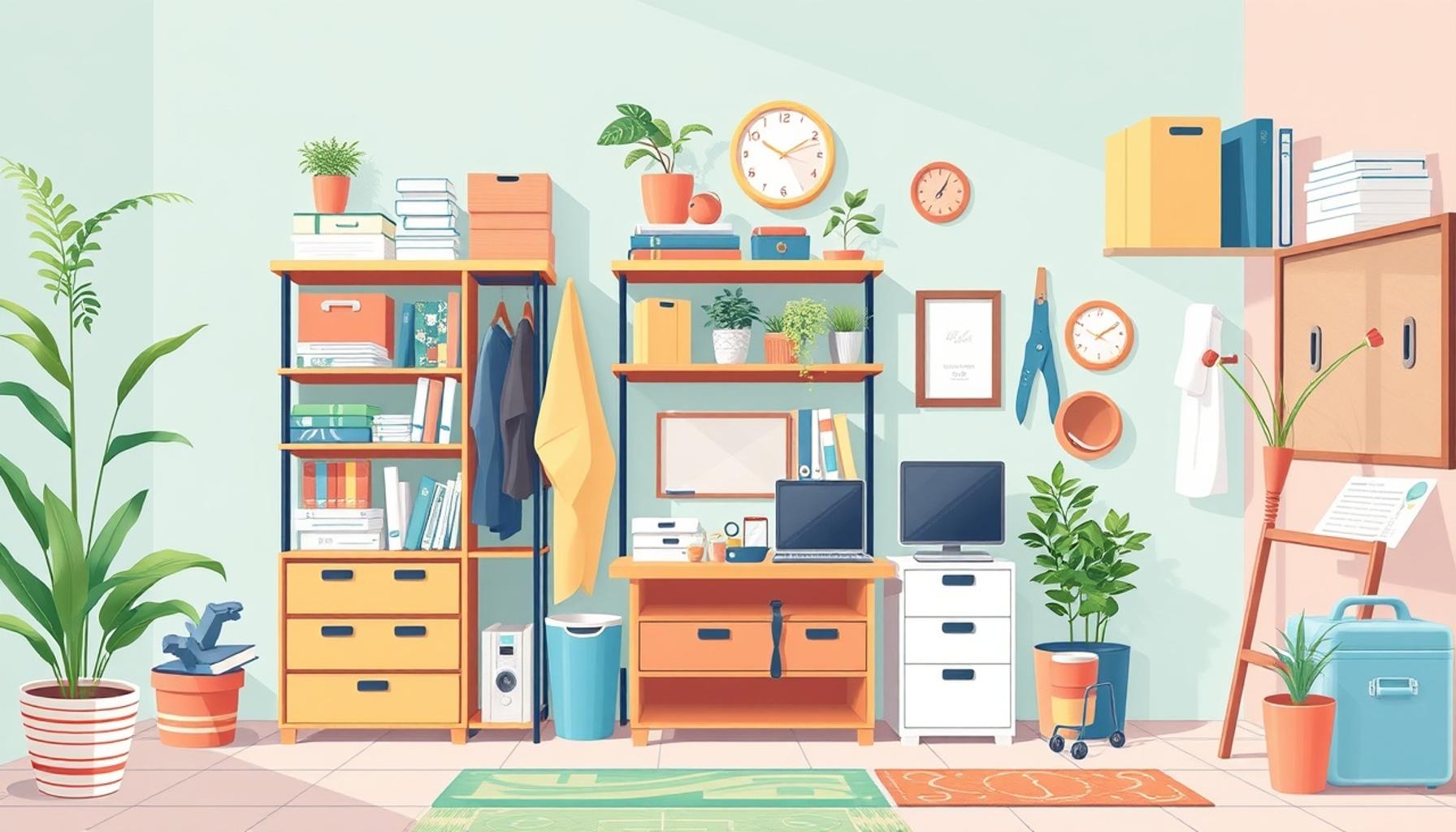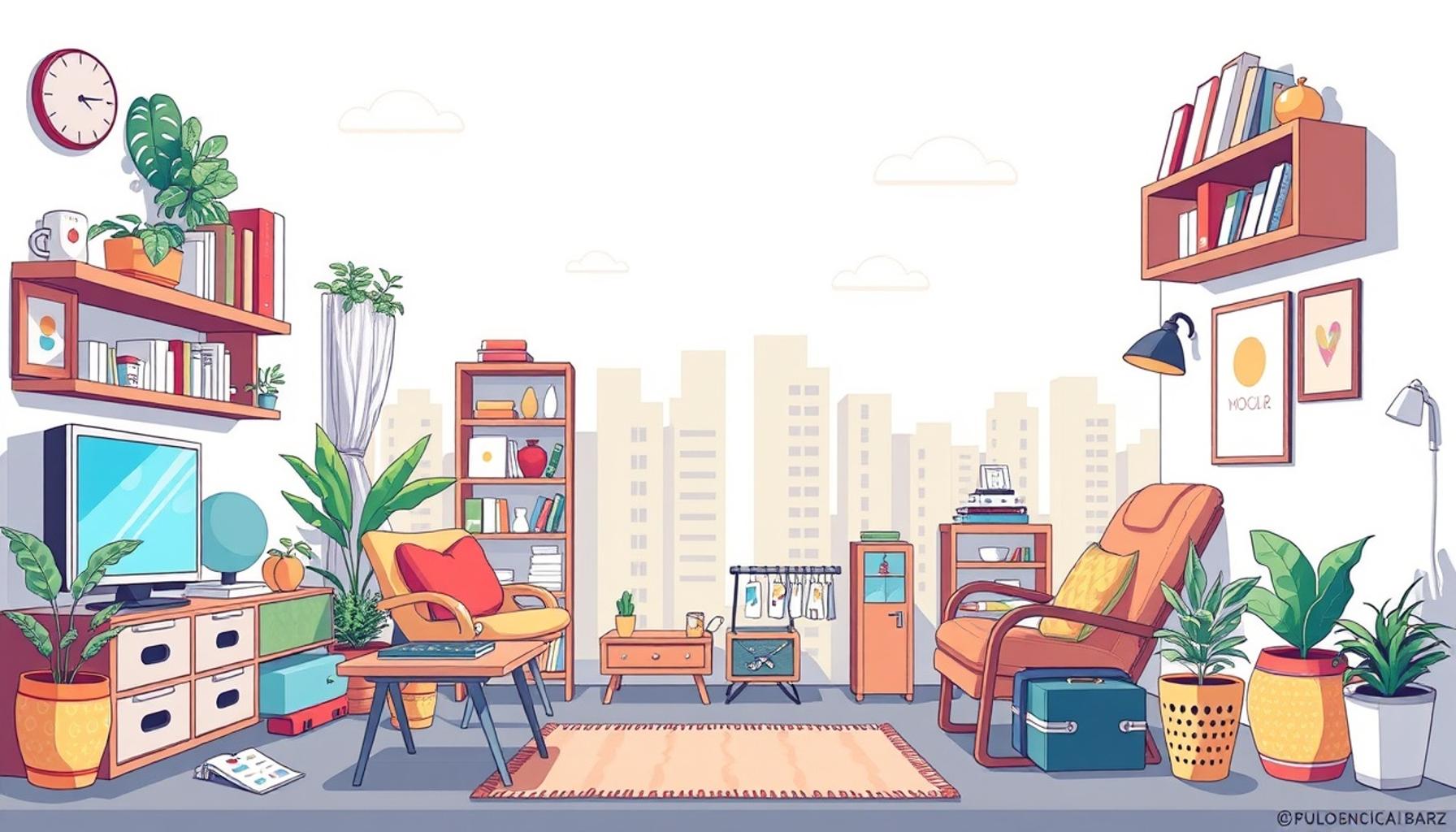
The Art of Detachment: Selection and Organization Techniques for a Minimalist Home

Embarking on Minimalism
In a world saturated with possessions and distractions, the journey towards a minimalist home offers a refreshing perspective. Detachment from material items can lead to clarity, peace, and a more intentional way of living. Understanding how to select and organize your belongings is key to achieving this harmonious lifestyle. Minimalism challenges the conventional belief that more possessions equate to greater happiness. Instead, it encourages individuals to consider which items truly contribute to their well-being and happiness.
What You Will Discover
- Effective techniques for decluttering your space
- Strategies to enhance the functionality of your home
- Insights into the psychological benefits of minimalism
Minimalism is not just about getting rid of stuff; it’s a lifestyle choice that promotes a more meaningful existence. By focusing on what genuinely adds value to your life, you can create an environment that fosters creativity and mindfulness. For instance, many people report feeling more motivated and less stressed in a tidy space free of visual clutter. A well-curated environment not only reflects personal values but also inspires those who inhabit it.
Steps to Achieve a Minimalist Home
- Identify your essentials: Determine what items are indispensable. Consider creating a list of your must-have items and assess which possessions are used daily versus those that are merely taking up space.
- Classify your belongings: Organize items into categories for easier management. By grouping similar items together, you can gain a better understanding of what you actually own and what you can part with. This can be done by evaluating clothing, furniture, and even digital files to see what is necessary and what can be discarded.
- Set boundaries: Limit future acquisitions to maintain your minimalist ethos. Establishing rules for yourself can help keep clutter at bay. For example, you might adopt the “one in, one out” rule, where acquiring a new item requires you to let go of an existing one.
The path to a minimalist home is unique for each individual, but sharing techniques can provide a foundation. As you explore the art of detachment, you might discover that the journey of minimalism extends beyond your physical space. Embracing simplicity can lead to enhanced clarity of thought, reduced anxiety, and a stronger connection with your surroundings. The practice of letting go and simplifying can transform your living space into a sanctuary of simplicity and tranquility. Whether it’s through implementing a regular decluttering schedule or adopting a more intentional purchasing mindset, the benefits of minimalism are profound and far-reaching, encouraging you to live with purpose and intention.
Understanding the Power of Detachment
The first step towards achieving a minimalist home lies in understanding the power of detachment. This process encourages individuals to shift their mindset about ownership, challenging the belief that possessions define one’s identity or status. Embracing detachment means recognizing that emotional investments in material items often cloud judgment and lead to unnecessary accumulation. To facilitate this shift, start by assessing how your belongings affect your emotional and mental state.
Emotional Connection to Possessions
One of the biggest hurdles in the journey towards minimalism is the emotional attachment many individuals have to their possessions. Items may carry memories or serve as reminders of experiences, making it difficult to let them go. Thus, it is imperative to evaluate whether these items serve a functional purpose in your life or simply contribute to an emotional burden. While it is natural to feel sentiment towards certain possessions, distinguishing between nostalgia and genuine utility is crucial for effective decluttering.
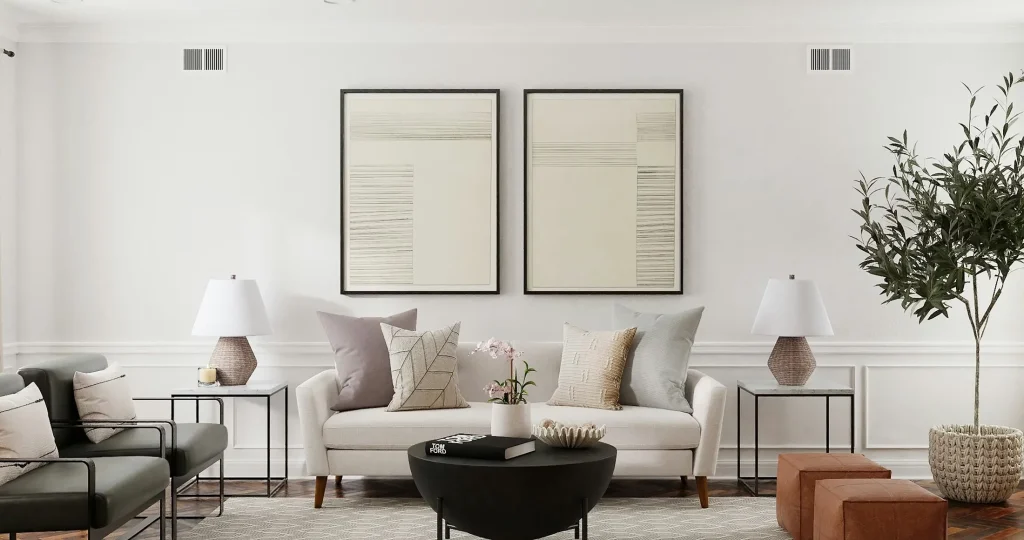
Strategies for Effective Selection
To help you meticulously select what stays and what goes, consider the following strategies:
- The 90/90 Rule: Ask yourself if you have used the item in the last 90 days or if you plan to use it in the next 90 days. If the answer is no, it’s likely time to part ways.
- One-Year Rule: If you haven’t used an item in the past year, it is generally considered a candidate for removal. This rule applies particularly well to clothing, gadgets, and hobby-related items that quickly accumulate.
- Value Assessment: Reflect on what the item means to you. Does it enhance your day-to-day life or simply take up space? Focus on the items that bring you joy or serve a critical functional role.
By applying these strategies, you can streamline your selection process and foster a more thoughtful engagement with your belongings. The goal is to prioritize items that truly enhance your life and eliminate those that do not align with your aspirations. Minimalism isn’t merely an aesthetic; it is a personal journey towards living more intentionally.
Organizing for Clarity
Once you have assessed which items to keep, it’s time to shift your focus to organization. A well-organized home not only looks visually appealing but also promotes emotional well-being. Here are some essential tips for effective organization:
- Declutter by Category: Instead of tackling each room one by one, consider decluttering by category (e.g., clothing, books, kitchenware). This method highlights the volume of items you own and allows for a more thorough evaluation.
- Utility Zones: Designate specific areas for frequently used items to create utility zones. For example, keep everyday kitchen tools in accessible drawers while storing less frequently used appliances on higher shelves.
- Create Visual Cues: Label storage bins or use clear containers to easily identify contents. This not only simplifies finding items but also encourages mindful organization.
By implementing the art of detachment through selection and organization techniques, you can cultivate a minimalist home that reflects a more balanced, intentional lifestyle. With a clear space, the possibilities for creativity and tranquility are endless, inviting you to embrace a lifestyle free from excess.
The Art of Detachment: Mastering Minimalism
In our fast-paced and consumer-driven society, the concept of minimalism emerges as a sanctuary for the overwhelmed. At the heart of “The Art of Detachment” lies an exciting journey toward simplifying your life and home. By learning selection and organization techniques, you can reclaim your space and create an environment that fosters tranquility and focus.Embracing a minimalist lifestyle begins with detachment from excess possessions. This doesn’t merely mean throwing items away; instead, it involves a thoughtful evaluation of what truly adds value to your life. Ask yourself: Does this object serve a purpose? Does it spark joy? These questions guide you to the heart of meaningful selection. It’s crucial to understand that “detachment” also refers to emotional ties, allowing you to free yourself from attachments to materialistic ideals that clutter your mind as well as your living areas.Effective organization is just as essential. Consider implementing the one-in, one-out rule: for every new item introduced, an old one should depart. This policy keeps your home from becoming a catch-all space for unused items. Techniques such as categorizing belongings into distinct zones or employing vertical storage solutions optimize your available space and visually declutter your environment.The benefits extend beyond your physical space. A minimalist home can lead to reduced stress levels, promoted creativity, and even increased productivity. It creates a serene backdrop where you can focus on your passions and nurture deeper connections with your loved ones. By embracing “The Art of Detachment,” you are not just organizing your home; you are cultivating a lifestyle that honors simplicity and mindfulness.Now, to highlight aspects of these selection and organization techniques, consider the following:
| Category | Description |
|---|---|
| Selection Techniques | Prioritizing valuable items through thoughtful evaluation. |
| Organization Methods | Utilizing space creatively to maintain a clutter-free environment. |
By applying these techniques, you’re not only transforming your physical space but also your mental clarity. Lean into simplicity, and discover the vast benefits of minimalism.
Transforming Your Space: Creating a Harmonious Environment
After successfully undergoing the selection process, the next step is to transform your space into a harmonious environment that reflects the principles of minimalism. A minimalist home isn’t just about owning fewer things; it’s also about how to curate and display what you choose to keep in a way that enhances both your space and state of mind.
The Importance of Space Planning
Effective organization begins with thoughtful space planning. Consider how your home functions on a daily basis and determine the flow of movement through each area. Key considerations include:
- Furniture Arrangement: Place larger pieces of furniture in a way that creates open pathways, which can make a space feel larger and more inviting. This can be as simple as moving a couch slightly away from a wall or repositioning a chair to face a window.
- Decluttered Surfaces: Be mindful of surfaces like countertops and tables. Aim to keep them free from clutter by storing smaller items in concealed spaces or designated drawers. This not only reduces visual distractions but also promotes a feeling of calm within the room.
- Zone Designation: Create distinct zones for specific activities such as work, relaxation, and dining. By designating areas for particular purposes, it becomes easier to keep related items contained and minimizes the risk of overlap.
Utilizing Natural Light
Light plays a significant role in making spaces feel open and inviting. Embracing natural light can enhance the experience of a minimalist environment. Here are strategies for maximizing daylight:
- Window Treatments: Opt for lightweight, sheer curtains or blinds that allow light to enter while maintaining privacy. Heavy curtains can darken a room and create a sense of confinement.
- Mirrors for Reflection: Strategically placed mirrors can multiply the effects of natural light, creating the illusion of a larger space. Consider using mirror panels or decorative mirrors that align with your minimalist aesthetic.
- Plants for Brightness: Incorporating plants not only introduces a sense of life to your home but also contributes to a brighter atmosphere. They absorb light and enhance air quality, creating a tranquil environment.
Embracing Functional Decor
In a minimalist home, decor should serve a purpose while also adding aesthetic appeal. Selecting functional decor means choosing pieces that resonate with your values and add to the overall ambiance. Here are some ideas for incorporating functional decor:
- Art That Tells a Story: Invest in artwork or prints that inspire you or hold personal significance. This invites conversation and elicits positive emotions without the need for excessive decoration.
- Multi-Purpose Items: Opt for versatile furniture and accessories that can serve multiple functions, such as a coffee table that doubles as storage or decorative baskets that keep clutter at bay.
- Color Palette Cohesion: Stick to a cohesive color palette that conveys tranquility and unity. Neutral tones typically work well in minimalist settings, allowing other elements to shine while promoting a serene atmosphere.
A minimalist home is not merely the absence of things; it reflects a thoughtful approach that encompasses both selection and organization. By transforming your space through careful planning, maximizing light, and embracing functional decor, you not only achieve a visual harmony but also cultivate a sense of peace and clarity that enhances your daily life.
Conclusion: The Journey Toward Minimalism
In today’s fast-paced world, embracing minimalism through the art of detachment presents a transformative opportunity. It encourages individuals to step back, evaluate their possessions, and curate living environments that reflect both function and personal values. As we have explored, the process begins with discerning what truly matters and organizing your space in a way that fosters ease and tranquility.
Employing effective organization techniques—from thoughtful space planning to maximizing natural light—can significantly enhance the functionality and aesthetic appeal of your home. The integration of functional decor not only beautifies your environment but also serves practical purposes, reducing clutter and promoting a sense of harmony. The minimalist approach is not simply about fewer possessions; it’s about shaping a lifestyle that aligns with your priorities and fosters a clearer mental space.
Ultimately, the journey toward minimalism is deeply personal. Each step taken in decluttering and organizing encourages growth, invites introspection, and cultivates a renewed appreciation for the things we choose to keep. As you continue to explore the principles of detachment in your home, remember that the goal is to create a sanctuary that resonates with your spirit while enhancing your overall quality of life.
For those ready to embark on this minimalistic adventure or refine their current practices, consider seeking additional resources or communities that share these values. The path to a minimalist home is not just about what is removed, but about what is made possible when we choose to simplify and embrace less.
Related posts:
Multifunctional Furniture: The Key to Organization and Minimalism in Compact Spaces
Vertical Storage: How to Use Height to Organize Your Space Efficiently
Maximizing Small Spaces: Innovative Storage Solutions for Minimalist Living
Creating Functionality Zones: How to Define Spaces to Increase Efficiency in Minimalist Environments
Intelligent Design: Creative Storage Solutions for a Minimalist Lifestyle

Linda Carter is a writer and organization expert specializing in minimalism and personal organization. With extensive experience helping individuals create clutter-free, functional spaces and adopt mindful habits, Linda shares her knowledge on our platform. Her goal is to empower readers with practical advice and strategies to simplify their lives, stay organized, and achieve a sense of calm and balance in their daily routines.