
Transforming Inner Dialogue: How Positive Affirmations Can Redefine Your Self-Image

Understanding the Power of Inner Dialogue
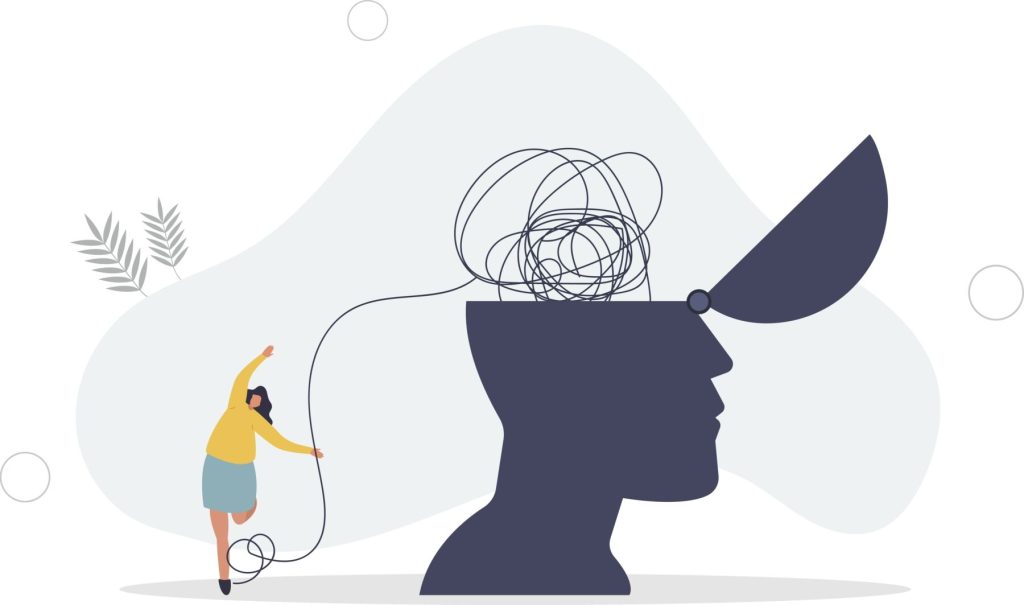
The inner voice that constantly communicates thoughts and emotions has a profound influence on how we view ourselves and interact with the world around us. This internal dialogue, often referred to as inner dialogue, shapes not just our self-image but also affects our mental health, relationships, and even our professional lives. An uplifting and supportive narrative can catalyze significant changes in our mindset, leading to greater resilience and satisfaction in life.
Harnessing Positive Affirmations
One effective way to transform your inner voice is through the practice of positive affirmations. These are simple, powerful statements that reinforce positive self-beliefs when repeated consistently. Research indicates that people who engage in positive self-affirmation tend to have lower stress levels and exhibit greater problem-solving abilities. Let’s break down how positive affirmations can lead to success in various areas:
- Enhance Self-Confidence: Regularly repeating affirmations like “I am capable and strong” can cultivate an unwavering self-image. For instance, a study by the University of California found that students who practiced self-affirmation before exams performed better than those who did not, demonstrating the link between self-belief and performance.
- Reduce Anxiety: Positive self-talk acts as a counterbalance to feelings of overwhelm and self-doubt. By telling ourselves, “I can handle this challenge,” we can mitigate anxiety responses. This practice can be particularly beneficial in high-pressure situations, such as public speaking or job interviews, where nerves often take over.
- Encourage a Growth Mindset: Shifting from a mindset centered on limitations (“I can’t”) to one that embraces potential (“I can”) not only fosters personal development but also opens doors to new opportunities. Carol Dweck, a renowned psychologist, emphasizes the importance of nurturing a growth mindset, showing that those who believe they can grow and improve are more likely to embrace challenges and persevere through difficulties.
The Importance of Nurturing a Positive Inner Dialogue
In today’s fast-paced society, rife with external pressures and unrealistic expectations, maintaining a positive inner dialogue is essential for mental well-being. While many still view the practice of positive affirmations as frivolous or merely optimistic thinking, extensive research supports their value as a serious transformative tool. Implementing positive affirmations can lead not only to improved self-perception but also significantly increase overall happiness and fulfillment in life.
In the sections to follow, we will further explore the mechanisms by which positive affirmations can redefine your self-image. We will discuss practical techniques that anyone can implement, share inspiring real-life examples, and delve into the psychological principles that underpin this transformative practice. Are you prepared to embark on the journey of changing your inner dialogue and unlocking your hidden potential?
DISCOVER MORE: Click here to learn how positive affirmations can help you overcome challenges
The Mechanisms Behind Positive Affirmations
To understand how positive affirmations can effectively transform our inner dialogue and reshape our self-image, we first need to delve into the underlying mechanisms at play. At their core, positive affirmations serve to reprogram the subconscious mind, allowing us to replace negative beliefs with constructive thoughts. This process is not mere wishful thinking; it is supported by cognitive psychology principles that illustrate how mindset influences our realities.
The psychology of self-perception plays a critical role in this transformation. According to the principles outlined by psychologist Albert Bandura, our belief in our own abilities significantly impacts our overall performance and mental state. Repeating positive affirmations regularly can alter our perceptions of ourselves, fostering a more robust sense of agency and competency. Here’s how this can manifest:
- Creating a New Narrative: Affirmations challenge historical narratives that have kept us tethered to self-doubt. Statements like “I am worthy of love and respect” can reshape the self-image that has been cultivated through years of societal and familial expectations.
- Neuroplasticity at Play: The brain’s ability to reorganize itself by forming new neural connections is known as neuroplasticity. By consistently practicing positive affirmations, we stimulate the brain areas associated with self-confidence and resilience, paving the way for permanent change in our thought patterns.
- Emotional Regulation: Engaging in positive self-talk through affirmations can enhance emotional regulation, impacting the way we process stressors and negative events. This adaptive coping mechanism allows individuals to respond rather than react, greatly improving overall mental well-being.
Practical Techniques for Implementing Affirmations
Incorporating positive affirmations into daily life does not require extensive training or complex methodologies. Simple, yet deliberate techniques can yield significant results. Here are a few practical strategies you can use to begin this transformative journey:
- Daily Repetition: Set aside several minutes each day to recite your affirmations, ideally in front of a mirror. The act of looking at yourself while affirming your strengths can enhance the emotional connection to the words.
- Tailored Affirmations: Craft personalized affirmations that resonate with your unique challenges and aspirations. Whether you struggle with self-acceptance or professional growth, tailor your phrases to specifically address these areas.
- Visualization: Combine your affirmations with visualization. As you repeat your statements, picture yourself embodying the qualities you aspire to. This not only solidifies the affirmations in your mind but also motivates action towards achieving your goals.
By employing these techniques, you initiate a process of self-discovery and empowerment that can redefine your self-image. The consistent practice of positive affirmations can lead to a more fulfilling life, fostering enhanced relationships and a greater understanding of your inherent worth. This journey is accessible to everyone willing to take the first step, aligning with the age-old adage that belief truly paves the way for reality.
Unpacking the Power of Positive Affirmations
When we speak about self-image, the way in which we perceive ourselves can be heavily influenced by our internal conversations. This is where positive affirmations come into play. By intentionally crafting positive statements about ourselves, we challenge and eventually redefine the negative beliefs that might have taken root over the years. A consistent practice of affirmations can lead to profound changes in our mindset and self-perception.One of the most significant advantages of incorporating positive affirmations into your daily routine is the impact on self-esteem. Individuals who regularly engage in positive self-talk often report increased self-confidence. This is no coincidence; as we repeatedly affirm our worth, our subconscious begins to internalize these messages, gradually replacing self-doubt with self-acceptance.Moreover, positive affirmations can also serve as a powerful tool for stress reduction. Reciting affirmations can provide a moment of mindfulness, allowing individuals to center their thoughts and diffuse negative emotions. In high-pressure situations, having a set of affirmations ready can help maintain composure and focus, fostering resilience amid challenges. Practical application is crucial. Employing affirmations in various settings—be it at the start of the day, during moments of self-doubt, or even before facing a significant challenge—can yield significant benefits. Notably, affirmations should be tailored to resonate with personal experiences and aspirations, turning each statement into a compelling mantra for personal growth.To deepen the understanding of this transformative practice, exploring specific techniques, such as visualizing success while affirming positive statements or integrating affirmations into journaling practices, can enhance the effectiveness of affirmations. Embracing this multifaceted approach can ignite a powerful shift in one’s inner dialogue, leading to a redefined and more positive self-image.
| Category | Key Features |
|---|---|
| Self-Esteem Boost | Improves self-acceptance and confidence through positive reinforcement. |
| Stress Reduction | Promotes mindfulness and emotional balance in high-stress scenarios. |
In a world where external validation is often prioritized, fostering an internal environment of positivity through affirmations can significantly impact one’s overall well-being. By undertaking this journey of self-transformation, individuals can harness the profound power of their own words, leading to a more empowered and fulfilling life.
EXPLORE MORE: Click here for insights on cultivating self-compassion
The Role of Positive Affirmations in Personal Transformation
As we delve deeper into the transformative power of positive affirmations, it becomes evident that their significance goes beyond mere self-encouragement. They possess the capacity to catalyze profound changes in various aspects of life, from mental health to professional success. Understanding their broader implications allows us to appreciate the transformative role they play in redefining one’s self-image.
One of the remarkable effects of consistent affirmation practice is the fostering of self-compassion. Research indicates that individuals who engage in positive self-talk tend to cultivate a kinder, more understanding attitude towards themselves. This is particularly important in a culture that often emphasizes perfectionism and harsh self-critique. By affirming statements such as “I forgive myself for past mistakes,” individuals can begin to strip away layers of guilt and shame that negatively affect their self-image. This shift not only promotes emotional healing but also paves the way for growth and resilience.
Another crucial application of positive affirmations lies in their capacity to enhance goal attainment. Affirmations honed to align with specific aspirations provide a motivational anchor, bolstering one’s commitment to achieving their objectives. For instance, someone aiming to advance their career may repeatedly affirm, “I am capable of achieving my professional dreams.” This practice reinforces confidence and clarity, enabling the individual to take actionable steps toward their ambitions with a stronger belief in their capabilities.
The Science Behind Affirmations and Performance
The intersection of positive affirmations and performance is an area rich with research possibilities. Studies have shown that self-affirmation can alleviate stress and improve cognitive function during challenging situations. When individuals remind themselves of their core values and competencies, they are more likely to rise to challenges effectively. This is particularly relevant for students and professionals who face high-pressure environments, where maintaining a positive self-image can enhance focus and satisfaction. Consequently, practitioners of affirmations experience better outcomes in both academic and job-related settings.
Furthermore, the field of sports psychology has embraced affirmations as a tool for athletes seeking peak performance. Sports psychologists often encourage athletes to utilize positive affirmations to build mental resilience and confidence before competitions. Phrases like “I trust my training and abilities” can strategically align an athlete’s mindset for success, emphasizing the power of belief in enhancing actual performance.
Community and Shared Affirmations
While individual affirmation practices are powerful, community-based affirmations can amplify the effects. Engaging with groups—whether informal gatherings, workshops, or social media communities—allows participants to share and affirm each other’s strengths, creating a supportive environment that encourages collective growth. Shared affirmations such as “We are capable of achieving our dreams” foster a sense of belonging and connection that enhances the individual’s self-image. This positive reinforcement from peers can be especially transformative for those battling feelings of isolation or inadequacy.
In essence, positive affirmations are not simply motivational phrases; they serve as a dynamic tool for personal liberation and empowerment. By leveraging their potential in various life areas—from professional ambitions to cultivating self-compassion—we can actively participate in redefining our self-image and overall life experiences. Encouraging stories and evidence from diverse fields highlight the vast benefits of affirmations, making it clear why they deserve a prominent place in our daily routines.
DISCOVER MORE: Click here to learn about the power of visualization
Conclusion: The Lasting Impact of Positive Affirmations on Self-Image
As we navigate through the myriad of challenges life presents, the inner dialogue we cultivate largely shapes our self-image and experiences. The practice of positive affirmations offers a powerful method for transforming this dialogue, fostering self-compassion, enhancing goal attainment, and bolstering overall performance in various arenas of life. The scientific research supports this assertion, revealing that affirmations can improve cognitive function under stress, which is essential for peak performance—whether in academics, professional settings, or sports. Notably, the use of shared affirmations within communities further enriches this practice, creating a supportive network that amplifies individual growth and promotes a collective sense of empowerment.
The importance of incorporating positive affirmations into daily routines cannot be overstated. It provides a proactive approach to redefining one’s self-image, replacing damaging self-critique with encouraging and supportive language. By integrating affirmations that resonate personally, individuals can dismantle negative perceptions and reinforce a narrative that encompasses their goals, abilities, and inherent worth.
In conclusion, the journey towards a transformed inner dialogue is not merely about fostering positivity—it is about reclaiming your narrative. As you embark on this journey, consider the extensive benefits that positive affirmations bestow. By dedicating time to nurture this practice, you can experience profound changes in your self-perception, ultimately leading to a more fulfilled and empowered life. The realities of our self-image can be reshaped, and it all begins with the words we choose to embrace.