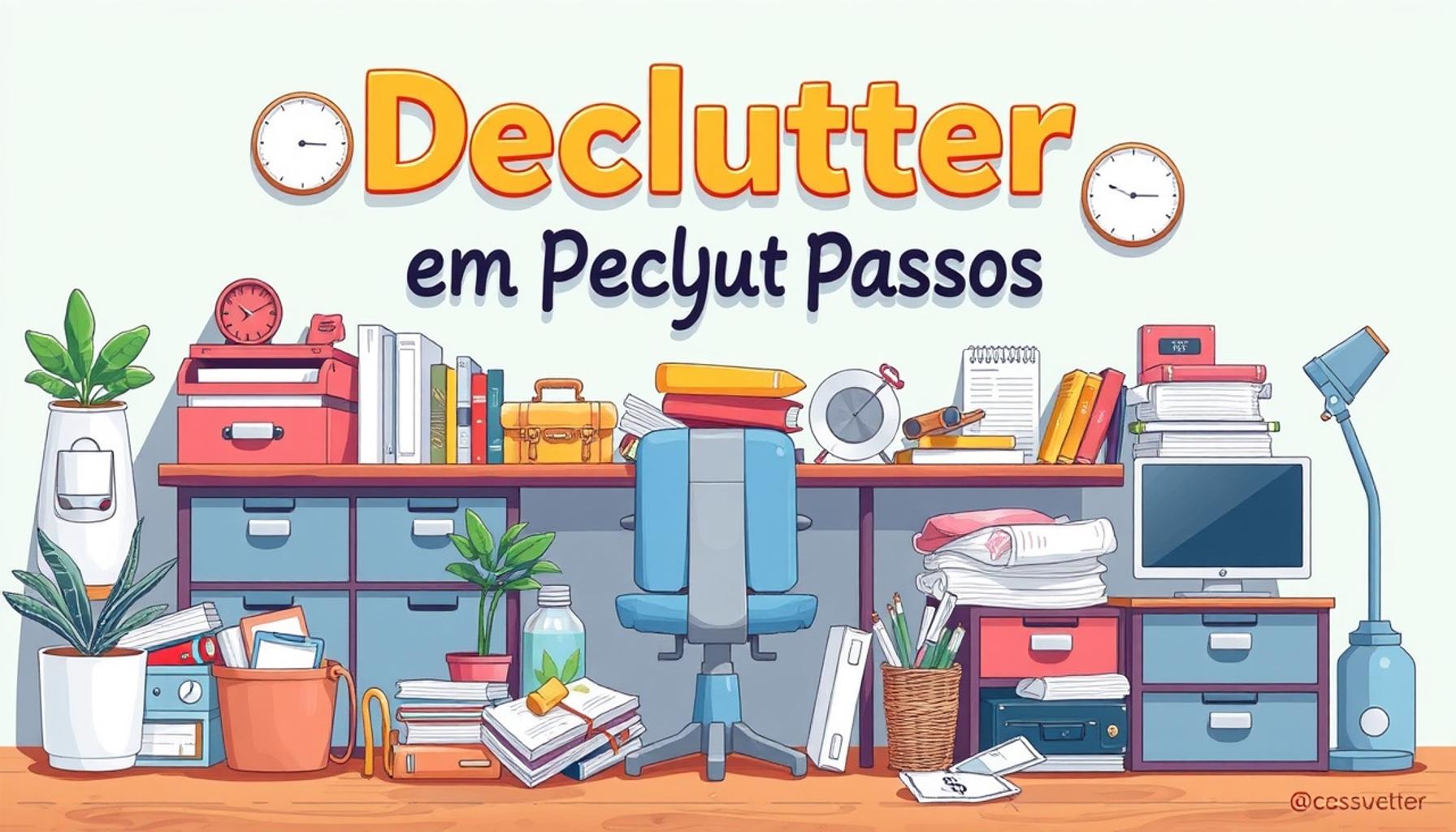
The Art of Letting Go: Effective Strategies to Reduce Clutter at Home

Embracing Minimalism for a Clearer Mind
In today’s fast-paced world, our homes can quickly become overwhelmed with clutter. This accumulation not only takes up valuable space but also weighs heavily on our mental well-being. The process of letting go is crucial to creating a serene environment where we can thrive.
Understanding the art of decluttering involves more than merely tossing items away; it requires a shift in mindset. Many people find themselves stuck in cycles of consumerism, continuously buying new items that ultimately contribute little to their lives. By adopting a minimalist approach, we can create spaces that are not only aesthetically pleasing but also serve our needs effectively.
Key Strategies for Decluttering
Here are a few key strategies to consider that could significantly impact your journey towards minimalism:
- Assess Your Possessions: Take the time to thoughtfully evaluate what truly adds value to your life. This means prioritizing items that serve a purpose or that bring you joy. For instance, if you haven’t worn a piece of clothing in over a year, it might be time to donate it.
- Set Clear Goals: Define your vision for a clutter-free space. Visualize what your ideal environment looks like and write down specific objectives, like reducing items on a bookshelf or achieving a tidy kitchen countertop. Goals provide direction and motivation.
- Establish a Decluttering Routine: Allocate time regularly to tackle different areas of your home. Breaking this process into manageable parts allows you to avoid feeling overwhelmed. For example, dedicate 15 minutes each day to one drawer or closet until the entire space is organized.
- Make Decisions with Purpose: As you sift through your belongings, ask yourself if you genuinely use or love each item. The “one-year rule” is helpful here; if you haven’t used it in the past year, consider parting with it. This can especially apply to items in your kitchen, such as those specialty gadgets that take up space but rarely see the light of day.
- Embrace the Joy of Giving: Consider donating items to local charities or participating in community swap events. Not only does this clear your space, but it also contributes positively to your community, helping those in need. Organizations like Goodwill or Habitat for Humanity often welcome gently used items.
By adopting these methods, you can transform your living space and create a sanctuary that fosters peace and creativity. Engaging in minimalism can lead to a more intentional lifestyle, allowing you to focus on what truly matters—relationships, experiences, and personal growth. So, are you ready to dive deep into the art of letting go? The journey to a clearer mind could begin with just a few small steps today.
Understanding the Emotional Attachment to Clutter
A significant barrier to decluttering is the emotional attachment we form to our belongings. Items often represent memories, relationships, or major life events, making it challenging to part with them. From childhood toys to gifts from loved ones, sentimental value can cloud our judgment, leading to the accumulation of clutter. It is essential to recognize this attachment and confront the reasons behind our hesitation to let go. This awareness will empower you to make more intentional decisions about what to keep in your life.
Research suggests that emotional ties often tie back to our identity. We may feel that by discarding an item, we are discarding a part of ourselves. However, remembering that memories are not confined to physical objects can help shift this mindset. Try capturing the essence of your cherished belongings through photographs or journals, allowing you to preserve the memories without the physical clutter.
Practical Steps to Overcome Emotional Barriers
- Reflect on Your Relationships: Assess how each item contributes to your current life. Consider asking yourself questions like, “Does this truly represent who I am today?” or “Does this item contribute to my joy and happiness?” Answering honestly can help you determine whether to keep or let go of certain possessions.
- Use the “Four-Box” Method: This method involves labeling four boxes as “Keep,” “Donate,” “Trash,” and “Unsure.” As you sort through belongings, place items into the corresponding boxes. This strategy helps categorize your possessions, making it easier to make decisions about what stays and what goes.
- Establish a “Reason for Keeping”: If you’re struggling to depart with an item, assign a reason why it deserves to stay. Items with no meaningful purpose may provide the impetus needed to let go. Alternatively, consider creating a dedicated space for sentimental items, limiting how much you keep to maintain balance.
- Enlist a Support System: Sharing your journey with a friend or family member can provide the encouragement and accountability needed to tackle emotional attachments. They can offer a fresh perspective on your belongings and help you stay focused on your decluttering goals.
Understanding and addressing the emotional aspects of clutter can pave the way for a more liberated living space. Taking these steps not only facilitates the process of letting go but also fosters a sense of ownership over one’s environment. As you continue to address these emotional ties, you’ll find freedom in simplifying your life—an opportunity to embrace a clearer and more purposeful existence.
The Art of Letting Go: Effective Strategies to Reduce Clutter at Home
Reducing clutter in your home is not just about creating a visually appealing space; it’s also about improving your mental health and fostering a sense of peace. A clutter-free environment can lead to enhanced productivity and focus, allowing you to thrive in your daily activities.
One effective strategy is to apply the 80/20 rule, also known as the Pareto Principle, which suggests that 80% of your outcomes come from 20% of your efforts. In terms of clutter, this means that 80% of the time, you only use 20% of your possessions. By identifying and letting go of the items that are seldom used, you can significantly reduce clutter while still keeping the essentials that contribute to your quality of life.
Another powerful technique is the one-touch rule. This means that when you pick up an item, you should either find a designated place for it, put it away, or decide to discard it immediately. This approach not only minimizes the number of items lying around but also instills a habit of consistently tidying up, thereby preventing clutter from accumulating.
An additional strategy involves creating a designated decluttering area in your home. This could be a box or a corner where you can temporarily place items you’re unsure about. By having a specified space for undecided items, you can avoid clutter while you contemplate their futures. Periodically revisit this area and either evaluate or remove these items from your home.
Incorporating these strategies systematically can help you discover a newfound freedom in your living space. As you actively engage in letting go of the unnecessary, you’ll likely find yourself more focused and at ease in your environment. Letting go is not just a physical process; it’s a transformative journey towards a more serene and fulfilling lifestyle.
| Strategy | Advantages |
|---|---|
| 80/20 Rule | Helps identify items that are rarely used, allowing for targeted decluttering. |
| One-Touch Rule | Encourages immediate action on items, reducing the risk of clutter buildup. |
| Designated Decluttering Area | Provides a space for undecided items, allowing for later evaluation without cluttering your home. |
Crafting a Decluttering Mindset
Once you understand the emotional ties to your possessions, the next step in the journey of decluttering is to cultivate a decluttering mindset. This mindset is essential not only for letting go of the items that weigh you down but also for preventing future clutter accumulation. Here are some strategies to help transition your thinking and behaviors surrounding your belongings.
Adopt the “One In, One Out” Rule
One effective way to manage your possessions is by implementing the “One In, One Out” rule. This simple principle states that for every new item you bring into your home, you must let go of one existing item. This method encourages mindfulness in your purchasing decisions and helps maintain balance within your living space.
By practicing this rule, you can gradually reduce the amount of clutter in your home while being aware of new acquisitions. Whether you’re tempted by a fresh piece of decor or a trendy clothing item, remind yourself that it will require the sacrifice of an existing item. This approach balances your desires with necessary limitations.
Establish Clear Goals and Timelines
Setting clear goals for your decluttering journey can significantly influence your success. Consider delineating specific objectives and timelines to help create a structured plan. For example, you might choose to declutter one room per week or allocate 15 minutes each day to tackle a specific area of your home. Prioritizing which spaces need attention can help maintain focus and motivation.
Additionally, measurable goals can provide a sense of accomplishment and progress. Track the number of items you donate or discard each week, which allows you to see how your efforts translate into tangible results and can keep you inspired.
Limit Storage Solutions
While it’s tempting to purchase storage solutions to hide away clutter, relying heavily on bins and organizers can lead to a cycle of accumulation. Instead, embrace the idea of limited storage. The fewer containers or shelves you have, the more intentional you become about what you choose to keep. By restricting the space available for belongings, you’re forced to critically evaluate which items offer genuine value or joy.
Practice Mindful Consumption
In conjunction with decluttering, it is essential to practice mindful consumption. This involves making thoughtful choices about what you allow into your life, which can prevent future clutter. Before making a purchase, assess the necessity of the item by asking yourself if it aligns with your lifestyle and values.
By resisting the cycle of impulsive buying, you actively contribute to a more organized and intentional living environment. Additionally, cultivating a habit of researching alternatives, such as borrowing or renting instead of buying, can further reduce the clutter in your home.
Celebrate Your Progress
Recognizing and celebrating milestones in your decluttering journey is vital to maintaining motivation. Whether it’s by treating yourself to a small reward or simply enjoying your newly cleared space, acknowledging the progress you’ve made reinforces positive behaviors. Think of decluttering as a continuous process rather than a destination; by acknowledging each step, you can appreciate the transformation of your living space.
In embracing these strategies, you empower yourself to not only let go of physical items but also to connect deeper with what it truly means to live with less. Through a conscious approach to decluttering, you can enjoy a more peaceful, organized, and meaningful home environment.
Embracing Simplicity for a Clutter-Free Life
In conclusion, the art of letting go is a transformative journey that goes beyond merely clearing physical space; it invites introspection about our relationship with material possessions. By understanding your emotional ties to items and adopting a decluttering mindset, you can embrace a more intentional lifestyle. The strategies outlined—from the “One In, One Out” rule to setting clear goals and limiting storage solutions—serve not only to streamline your home but also to promote mindfulness in consumption.
As you practice these methods, remember that decluttering is an ongoing process. Celebrate not only the milestones you achieve but also the changes in your mindset that enable you to appreciate what you truly need and value. Every step taken toward reducing clutter is a step toward creating a more peaceful and organized living environment.
With the rise of minimalism and sustainable living, the discussion around decluttering is more relevant than ever in today’s fast-paced society. Consider exploring local resources or community groups focused on sustainable consumption and minimalism; they can offer support and fresh perspectives. Ultimately, by letting go of excess, you are not just freeing up physical space but also making room for enriching experiences and connections that truly matter. Start today, and experience the profound impact that a decluttered home can have on your well-being.
Related posts:
How to Create a Customized Decluttering Plan for Your Home and Lifestyle
Declutter Digital: How to Organize Your Devices and Protect Your Mental Health
Decluttering Strategies for Moms: Simplifying Family Life and Space
Transforming Shared Spaces: Decluttering Strategies for Group Housing
Emotional Decluttering: Freeing Yourself from Memories and Feelings that Take Up Space

Linda Carter is a writer and organization expert specializing in minimalism and personal organization. With extensive experience helping individuals create clutter-free, functional spaces and adopt mindful habits, Linda shares her knowledge on our platform. Her goal is to empower readers with practical advice and strategies to simplify their lives, stay organized, and achieve a sense of calm and balance in their daily routines.