The Psychology of Detachment: Understanding What Prevents Us from Discarding Items

Understanding Emotional Attachments
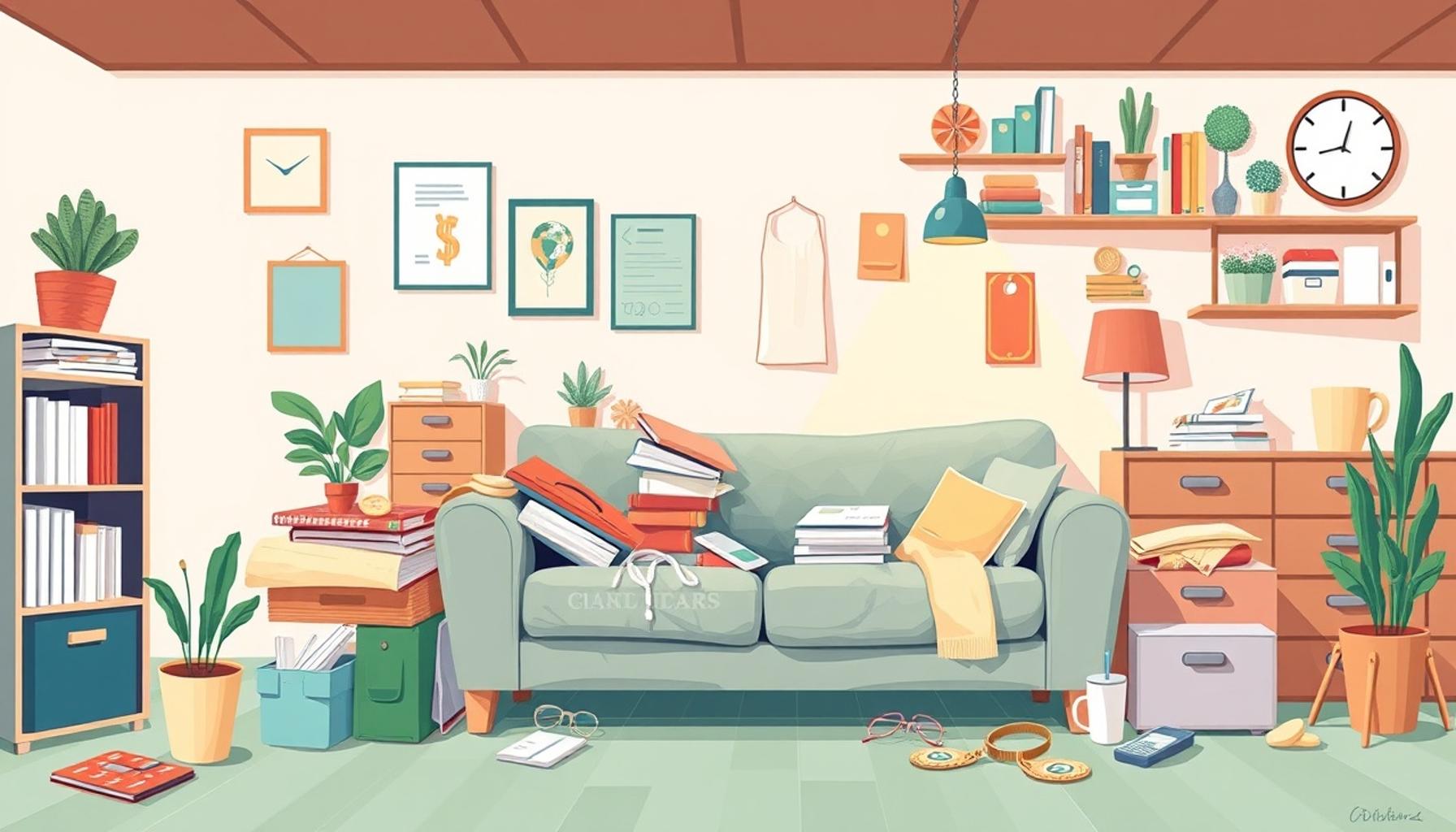
Many individuals experience a deep emotional struggle when it comes to discarding items. This feeling often stems from various psychological factors that compel us to hold onto things, even when they no longer serve a purpose. Understanding these factors can illuminate why our attachments can sometimes become burdensome.
Emotional Connections
Emotional connections significantly influence our attachment to objects. Items can carry profound sentimental value, linking them to cherished memories or pivotal life events. For instance, a childhood toy might remind someone of simpler days, evoking feelings of nostalgia and security. Similarly, a gift from a loved one may hold representative value of the relationship and be difficult to part with, even if it is stored away unused. These connections can create a powerful psychological bond, leading to reluctance in letting go.
Identity Issues
Our possessions often serve as reflections of our identity. They can embody facets of our personalities, interests, and experiences that we want to showcase to the world. For example, a person who collects vinyl records may not just see the records as music; they represent a lifestyle, a passion for nostalgia, and an identity tied to a specific cultural movement. When considering whether to discard such items, it raises existential questions about who they are without those possessions. This struggle with self-image can make decluttering a daunting task.
Fear of Regret
The fear of regret also plays a crucial role in our hesitance to part with belongings. Many of us worry that we might need an item in the future, which leads to a common mindset of “just in case.” For instance, someone may hold onto an outdated electronic device because they might think it will come in handy someday, even if it has been years since it was last used. This fear can lead to accumulation, resulting in clutter and overwhelming feelings when attempting to organize. Studies have shown that this psychological barrier is prevalent and can hinder our ability to maintain a tidy living space.
The Consumer Culture Phenomenon
The struggle with detachment is especially prevalent in the United States, where a consumerist culture encourages accumulation and the purchase of more goods. Advertisements often promote the idea that happiness is tied to ownership, steering individuals toward shopping sprees that lead to more possessions being added to their lives. This societal pressure can intensify feelings of attachment and complicate efforts to declutter. Not only do many people struggle with their own emotional connections to items, but they also feel competitive about what they own compared to their peers.
Exploring Solutions
This article aims to explore the intricate psychology of detachment and examine what prevents us from parting ways with our belongings. From hoarding tendencies to the psychological implications of minimalism, understanding these emotional barriers can be a gateway to a more organized and fulfilling life. By recognizing the reasons behind our attachment to items, we can develop strategies to overcome these challenges. Techniques like mindfulness, categorizing belongings based on utility, and facing emotional ties can facilitate a smoother transition to decluttering.
Join us as we delve deeper into the reasons behind our attachment to items and how we can cultivate a healthier relationship with our belongings, ultimately leading to a more organized and fulfilling life.
The Compounding Effects of Sentimental Value
At the heart of the psychology of detachment lies the compounding effects of sentimental value. Our environment is often filled with objects that trigger memories of significant moments in our lives. This emotional resonance creates a framework wherein we associate items with specific feelings, leading to a complex relationship with our possessions. This connection can complicate the process of decluttering, as the thought of discarding an item may feel analogous to discarding a memory or a piece of one’s past.
The Role of Memory
Memory plays a significant role in our attachment to possessions. Research indicates that physical items can act as cues for recollections, effectively keeping memories alive in our consciousness. For instance, a wedding dress may evoke the joy of a wedding day, while old concert tickets might remind someone of a memorable night out with friends. The thought of letting go of these items can provoke anxiety about losing the associated memories. As a result, individuals may cling to objects that serve as tangible reminders of their life story.
Social Pressures
Beyond personal memories, social pressures also influence our hesitance to discard items. In a society that often equates possessions with success, people may feel obligated to maintain a certain standard of material wealth. This can lead to keeping items that signal status or reflect an image that one feels compelled to uphold. For instance, a person might retain an expensive pair of shoes that they never wear simply to align with societal expectations of fashion. These external factors can create an internal conflict, making it challenging to differentiate between what we want to keep for genuine enjoyment and what we hold onto out of obligation.
The Psychological Cost of Clutter
Interestingly, while many believe that clutter conveys comfort, studies suggest the opposite may be true. A significant accumulation of items can lead to heightened stress levels and feelings of being overwhelmed. The brain often struggles to process ample visual stimuli, leading to distractions that impact productivity and emotional well-being. The pressure to manage clutter can ultimately weigh heavily on mental health, contributing to anxiety and indecision.
Identifying Root Causes of Attachment
Understanding the root causes of our attachment to possessions can be the first step towards fostering a healthier relationship with our belongings. Here’s a list of common reasons people struggle to detach from items:
- Emotional connections: Ties to cherished memories.
- Identity affirmation: Items that reflect personal identity.
- Fear of loss: Anxiety about needing an item in the future.
- Social expectations: Pressure to conform to cultural norms.
- Overwhelming clutter: Stress resulting from excess items.
As this exploration unfolds, we will further examine how the interplay of these factors influences our decision-making and explore potential strategies to alleviate the burdens of attachment, ultimately paving the way for more orderly living spaces.
| Category | Key Features |
|---|---|
| Emotional Attachments | Items can represent memories or phases of life, making them hard to discard. |
| Perceptions of Value | People often overestimate the utility or monetary value of their possessions. |
| Fear of Regret | The thought of discarding items can lead to anxiety over potential future needs. |
| Social Influences | Cultural values and family expectations can drive individuals to hold onto items. |
| Identity and Self-Worth | Possessions may be intertwined with personal identity, affecting self-esteem. |
Exploring the emotional aspects that contribute to attachment to items can unveil layers of psychological complexity. Humans often form deep emotional attachments to objects because they embody significant memories or serve as reminders of cherished moments. Whether it’s a family heirloom or a simple trinket, the sentiment attached can create an overwhelming sense of nostalgia, resulting in a reluctance to part with such items.Additionally, perceptions of value play a critical role in this psychological dilemma. Many individuals tend to overrate the usefulness or financial worth of their possessions, often based on personal attachment rather than market realities. The belief that a discarded item may be regretfully needed in the future can create a cycle of anxiety, freezing individuals in a state of indecision.Further complicating matters are societal expectations and norms. Cultural values can impose a notion of worth, suggesting that the more we own, the more successful we are, leading some to cling to items for fear of losing status. For many, possessions aren’t just objects; they are extensions of the self, intricately tied to identity and self-worth. This interplay between material belongings and personal identity can significantly hinder one’s ability to detach from unnecessary items.
Overcoming Emotional and Psychological Barriers to Decluttering
As we delve deeper into the psychology of detachment, it becomes apparent that overcoming emotional and psychological barriers is essential for effective decluttering. Addressing these barriers not only allows individuals to part with items more easily but also promotes overall well-being and peace of mind.
Cognitive Dissonance in Decision-Making
One significant factor contributing to our attachment to possessions is cognitive dissonance. This psychological phenomenon occurs when our beliefs and actions are in conflict, leading to discomfort. For example, if someone considers themselves a minimalist but holds onto numerous items due to sentimentality, they experience cognitive dissonance. This discomfort often results in rationalizations for keeping these items, hindering the ability to declutter effectively. Understanding this internal conflict can serve as a starting point for individuals to challenge their reasoning and make more intentional choices about their belongings.
The Impact of Consumer Culture
In a world heavily influenced by consumer culture, the pressure to acquire and retain goods is pervasive. Marketing strategies often create a sense of urgency around purchasing, leading to a cycle of accumulation without consideration of necessity. In the United States, for instance, the average household contains over 300,000 items, a statistic that reflects an overwhelming trend of accumulation. The constant bombardment of advertisements fuels the desire for more, making it increasingly difficult to prioritize what truly adds value to our lives. Recognizing the impact of consumer culture can empower individuals to resist societal norms that encourage excess and focus on what holds genuine worth.
Sentimental Clutter: The Dilemma of Shared Possessions
Another layer of complexity arises when dealing with shared possessions, such as family heirlooms or gifts from friends. These items often carry a weight of multifaceted sentimentality, creating an emotional dilemma for individuals when considering their disposal. A family heirloom may evoke fond memories of relatives, but it may also take up valuable space and serve little practical purpose. In these cases, individuals may benefit from reevaluating the origins of these attachments and learning to navigate the emotions tied to letting go. Strategies like digitizing memories through photos or creating a memory box can provide alternative means of preserving cherished connections without the physical clutter.
Strategies for Mindful Decluttering
To combat the psychological barriers preventing decluttering, individuals can employ several mindful strategies. For instance, the Marie Kondo method encourages individuals to ask themselves if an item “sparks joy” before deciding to keep it. This question facilitates a connection to the present rather than the past, allowing for a more grounded decision-making process. Another strategy is the one-in-one-out rule, which suggests that for every new item brought into a home, an existing item should be removed. This method helps to temper accumulation while encouraging a more intentional approach to items we choose to keep.
By exploring these various emotional, social, and psychological layers, individuals can better understand their attachment to items and take actionable steps towards a more organized and fulfilling life. Each person’s journey with detachment is unique, yet by employing mindful strategies, they can navigate the complexities of their relationships with belongings more effectively.
Conclusion: Embracing Detachment for a Fulfilling Life
In navigating the psychology of detachment, it becomes clear that our relationship with possessions is deeply intertwined with emotional, cultural, and psychological factors. By addressing cognitive dissonance, we unveil the internal conflicts that shape our attachment to items, pushing us to reevaluate what truly matters. Moreover, understanding the compelling influence of consumer culture highlights how societal norms bombard us with the desire for accumulation, often blinding us to the value of simplicity and intentionality.
As we confront the emotional weight of sentimental clutter, it becomes imperative to find innovative ways to preserve our memories without being encumbered by physical items. This delicate balance invites individuals to reflect on the stories behind their belongings while liberating themselves from unnecessary weight. Employing mindful strategies—such as the Marie Kondo method or the one-in-one-out rule—provides practical avenues for overcoming these barriers and encourages a lifestyle that prioritizes joy and clarity.
Ultimately, embracing detachment is not merely about decluttering physical space; it fosters a profound sense of well-being and mental clarity. By actively engaging in these processes, individuals can cultivate a life enriched by meaningful connections and a deeper understanding of their true priorities. As you embark on your own journey of decluttering, remember that each step towards detachment is a step towards a more fulfilling and intentional existence.
Related posts:
30-Day Letting Go Challenge: Transforming Your Space and Your Mind
Sustainable Decluttering: How to Get Rid of Items in an Eco-Friendly and Conscious Way
Decluttering Together: How to Involve Everyone in the Minimalism Journey and Create a More Harmoniou...
The impact of decluttering on mental health: How organization can improve your well-being
Declutter in Small Steps: How the 'One a Day' Technique Can Transform Your Space

Linda Carter is a writer and organization expert specializing in minimalism and personal organization. With extensive experience helping individuals create clutter-free, functional spaces and adopt mindful habits, Linda shares her knowledge on our platform. Her goal is to empower readers with practical advice and strategies to simplify their lives, stay organized, and achieve a sense of calm and balance in their daily routines.