
Understanding Mobility in Strength Training
Mobility is often overlooked yet serves as a crucial component in enhancing strength training outcomes. Not only does improved mobility facilitate better movement patterns, but it also plays a significant role in preventing injuries. By incorporating mobility into your training routine, you unlock various benefits that can elevate your performance, allowing your body to work more efficiently and effectively.
Key Benefits of Mobility in Strength Training
- Enhanced Range of Motion: A greater range of motion allows for deeper, more effective lifts. For example, when performing a squat, improved hip and ankle mobility enables you to achieve a proper depth, engaging the right muscle groups and enhancing overall strength.
- Injury Prevention: Improved mobility reduces the risk of strains and sprains. Tight muscles and stiff joints can lead to compensatory movement patterns that put unnecessary stress on the body. By ensuring proper mobility, you create a more resilient physique that’s better equipped to handle the demands of intense workouts.
- Optimal Muscle Activation: Better joint mobility leads to more effective recruitment of muscle fibers. When your joints move freely through their full range of motion, you can better activate multiple muscle groups during lifts, contributing to improved overall strength and performance.
Consider this: athletes and fitness enthusiasts alike can experience transformations in their training results through targeted mobility work. By integrating mobility exercises like dynamic stretching or yoga, individuals can improve flexibility, stability, and strength simultaneously. This holistic approach not only enhances workout efficiency but also makes daily activities easier and safer, allowing you to engage fully in life without limitations.
Exploring Mobility Techniques
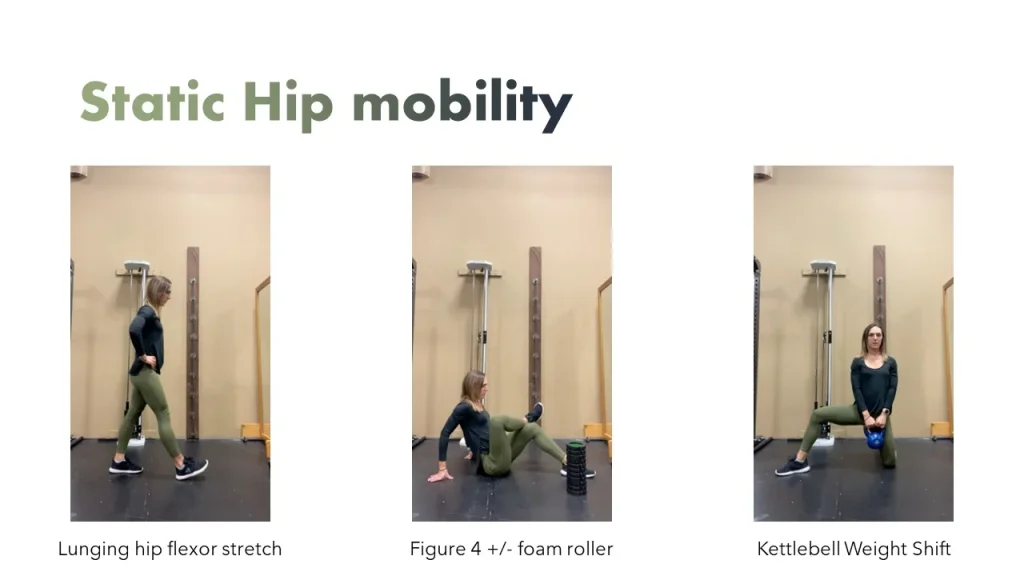
Diverse mobility techniques exist, ranging from dynamic stretches to foam rolling. For instance, dynamic stretching involves active movements, such as leg swings and arm circles, designed to increase blood flow and prepare muscles for exertion. In contrast, foam rolling is a self-myofascial release technique that alleviates muscle tightness by applying pressure to specific points of tension in the body.
Integrating these mobility techniques into your routine can enhance performance not only in strength training but also in sports, improving agility, speed, and coordination. Moreover, mobility work is an investment in your long-term athletic performance and quality of life. Just as athletes train their muscles, they must also focus on maintaining the flexibility and range of motion essential for optimal functioning.
As we explore the connection between mobility and strength training techniques, you’ll discover how this relationship can unlock extraordinary fitness potential. Adopting a balanced training approach that prioritizes mobility could be the key to breaking through plateaus and achieving newfound levels of strength and endurance. Engaging intelligently with mobility opens doors for progress, elevating both your performance in the gym and your overall well-being.
DIVE DEEPER: Click here to uncover the secrets of rest and recovery
The Impact of Mobility on Strength Training Techniques
Mobility serves as the foundation for an effective strength training regimen. By recognizing the significance of incorporating mobility training into strength-related activities, individuals can elevate their performance and sustain a higher quality of training. Improved mobility not only enhances physiological function but also optimizes strength gains across various exercises.
Understanding mobility requires an analysis of its role in specific strength training techniques. For instance, in exercises such as the deadlift or bench press, joint mobility allows for proper alignment and movement patterns, which are essential for maximizing the effectiveness of these lifts. An individual with limited thoracic spine mobility may struggle to maintain a stable upper body position during pressing movements, ultimately impacting their lifting capacity. Conversely, those who prioritize mobility often experience a noticeable boost in their overall lifting efficiency.
Prioritizing Mobility in Strength Training Programs
Integrating mobility work into strength training programs does not mean compromising on lifting session intensity. Rather, it involves enhancing the workout’s quality and ensuring that the body is primed for the challenges that lie ahead. Strength training programs should include mobility-focused warm-up routines, which can be tailored to meet an individual’s specific needs. These routines can incorporate:
- Dynamic Mobility Drills: Activities such as lunges with rotation or torso twists can actively prepare the body for functional movements.
- Joint Rotations: Moving joints through their full range of motion can help identify areas of restriction and improve overall fluidity during lifts.
- Active Isolated Stretching: This technique encourages elongation of muscles while allowing them to remain engaged, promoting an active range of motion.
Establishing a mobility-friendly strength training regimen also requires an honest assessment of personal limitations. For many individuals engaging in strength training, tight muscles or restricted joints can hinder performance and challenge progress. It is essential to listen to your body and incorporate mobility focus areas into your routine. For example, if lower body mobility is a challenge, the implementation of targeted hip openers can be an effective approach.
Moreover, understanding the role of mobility in strength training contributes to better recovery and muscle building. As exercises become more effective through improved mobility, the body can handle heavier loads, leading to increased muscle hypertrophy. Incorporating mobility routines is not just pre-lifting; it can also be beneficial in cooldown periods, aiding in recovery and reducing muscle soreness after intense workouts.
In conclusion, mobility is more than a mere addition to a strength training program; it is an integral component that supports performance, injury prevention, and recovery. By prioritizing mobility work, individuals can experience transformative benefits that extend beyond the gym, paving the way for a healthier, stronger lifestyle.
The Role of Mobility in Strength Training Techniques
Mobility is a crucial aspect often overlooked in strength training discussions. Integrating mobility work not only enhances performance but also significantly reduces injury risk. When muscles are adequately stretched and joints are well-lubricated, strength training can lead to an increase in both power generation and endurance.One of the predominant benefits of a well-structured mobility program is enhanced flexibility, which allows for greater range of motion in strength exercises. This translates to deeper squats, more controlled deadlifts, and overall better functional performance. For instance, performing a squat with full depth necessitates excellent hip, knee, and ankle mobility. Without it, lifters may struggle with form, which can lead to injuries or reduced effectiveness.Moreover, mobility drills can activate muscle groups that often remain dormant during regular training. By incorporating movements like dynamic stretches or joint mobilizations into a warm-up routine, lifters prepare their bodies to engage more muscles dynamically, leading to better results. This not only creates greater muscle recruitment but also fosters neuromuscular connections essential for strength training success.Understanding the science behind mobility can further enhance strength training outcomes. Studies indicate that athletes who engage in regular mobility training experience a notable improvement in their performance metrics. For example, improved joint stability and proprioception are direct benefits of enhanced mobility, allowing individuals to execute complex movements with precision and confidence.Integrating mobility techniques is not merely an adjunct; rather, it is an integral component of a comprehensive strength training program. As fitness enthusiasts continue to explore and expand their training methods, understanding the profound effects of mobility on strength training can lead to profound changes in their overall fitness journey.
| Benefits of Mobility | Key Features |
|---|---|
| Increased Range of Motion | Greater depth in squats and lifts |
| Reduced Injury Risk | Less strain on joints and muscles |
| Enhanced Muscle Engagement | Activation of dormant muscle groups |
| Improved Stability and Proprioception | Better control over complex movements |
Emphasizing mobility in training protocols is essential for all levels of athletes. The synergy created between mobility and strength can elevate a training regimen, leading enthusiasts to achieve outstanding physical performance while maintaining optimal health.
DIVE DEEPER: Click here to discover more
Enhancing Performance Through Specific Mobility Strategies
One of the key benefits of incorporating mobility work into strength training is its ability to enhance performance in specific exercises. Athletes and fitness enthusiasts alike can utilize targeted mobility strategies to overcome barriers in their strength training routine. An example of this can be seen in the squat; individuals with tight ankles may struggle to achieve proper depth. By integrating ankle mobility exercises, such as calf stretches or foam rolling the surrounding muscles, lifters can increase their range of motion, allowing for deeper and more effective squats.
The concept of functional mobility cannot be overlooked. This type of mobility focuses on improving the movements that are specific to particular activities. For instance, Olympic weightlifters benefit significantly from developing mobility in their wrists and shoulders, as these joints are extensively engaged during overhead lifts like the snatch and clean and jerk. Targeted stretches for these areas can enhance not only the lifter’s ability to achieve proper positions but also build confidence under heavier loads.
Implementing mobility work also encourages a larger mind-body connection during strength training. Improved awareness of one’s body leads to better body mechanics and coordination, which are essential for safe lifting practices. Research has shown that athletes who engage in regular mobility training demonstrate fewer injuries and a greater ability to execute complex motor patterns compared to their counterparts who neglect this critical component.
Adaptive Mobility Techniques for Different Populations
It is essential to recognize that mobility needs can vary significantly among individuals based on factors such as age, fitness level, and injury history. As a result, strength training programs must be adaptable and considerate of these differences. For example, older adults may not have the same range of motion as younger individuals due to the natural aging process; thus, modifications to traditional mobility exercises should be implemented to make them more accessible. Gentle movements like seated leg swings or wall-assisted stretches can still mobilize joints effectively without overwhelming older lifters.
- Incorporating Foam Rollers: These tools can dramatically improve muscle recovery and aid in breaking down adhesions, allowing newfound mobility as well as enhancing blood flow to the muscles.
- Mobility Circuits: Combining multiple mobility drills into a continuous routine can maintain muscle engagement while promoting agility and flexibility.
- Utilizing Resistance Bands: These bands provide assistance or resistance during mobility drills, allowing for a more thorough range of motion while strengthening the associated muscles.
Furthermore, integrating breathing techniques into mobility strategies enhances both focus and body alignment. Proper breathing patterns help to relax the nervous system, providing greater ease in executing mobility actions. Methods such as diaphragmatic breathing or the “box breathing” technique can be practiced in conjunction with mobility exercises to further deepen the effects of each routine.
As the understanding of mobility’s role in strength training matures, more practitioners are beginning to recognize it as an ongoing process, rather than a one-time addition to their regular training. Ultimately, the pursuit of mobility can lead to a profound transformation, ensuring that athletes at all levels reach their strength objectives safely and effectively.
DISCOVER MORE: Click here to learn about essential exercise equipment
Conclusion
In summary, the interconnection between mobility and strength training is increasingly recognized as a vital element for optimizing performance across various fitness levels. As we have explored, incorporating targeted mobility strategies into strength routines not only enhances individual performance but also significantly reduces the risk of injury. Athletes, from novice gym-goers to seasoned professionals, can harness specific mobility techniques tailored to their unique needs and physical attributes to unlock their full potential.
The importance of functional mobility shines through as we emphasize its role in executing particular movements essential for specific sports or activities. This tailored approach helps individuals develop the strength, flexibility, and confidence necessary to tackle heavier loads and complex movements, leading to continuous improvement and achievement of fitness goals. Moreover, the adaptability of mobility techniques across different populations—such as older adults or those recovering from injuries—illustrates its inclusivity, making it a fundamental aspect of strength training that caters to everyone.
Ultimately, fostering a culture that prioritizes mobility is key to enhancing not only physical performance but also overall well-being. By integrating mobility-focused practices into daily training, individuals can cultivate a greater awareness of their bodies, leading to improved coordination, balance, and alignment. As the conversation around the importance of mobility in strength training continues to evolve, it invites further investigation and exploration into innovative techniques that promise to elevate athletes and fitness enthusiasts alike into new realms of strength and capability.