
Understanding Breathing Techniques
Breathing is a fundamental yet often overlooked aspect of fitness and training. The way one inhales and exhales can significantly influence overall performance. From increased stamina to enhanced recovery, proper breathing techniques can transform your training sessions. By understanding how to breathe effectively, athletes and fitness enthusiasts can elevate their workouts and see substantial improvements in their physical capabilities.
The Benefits of Proper Breathing
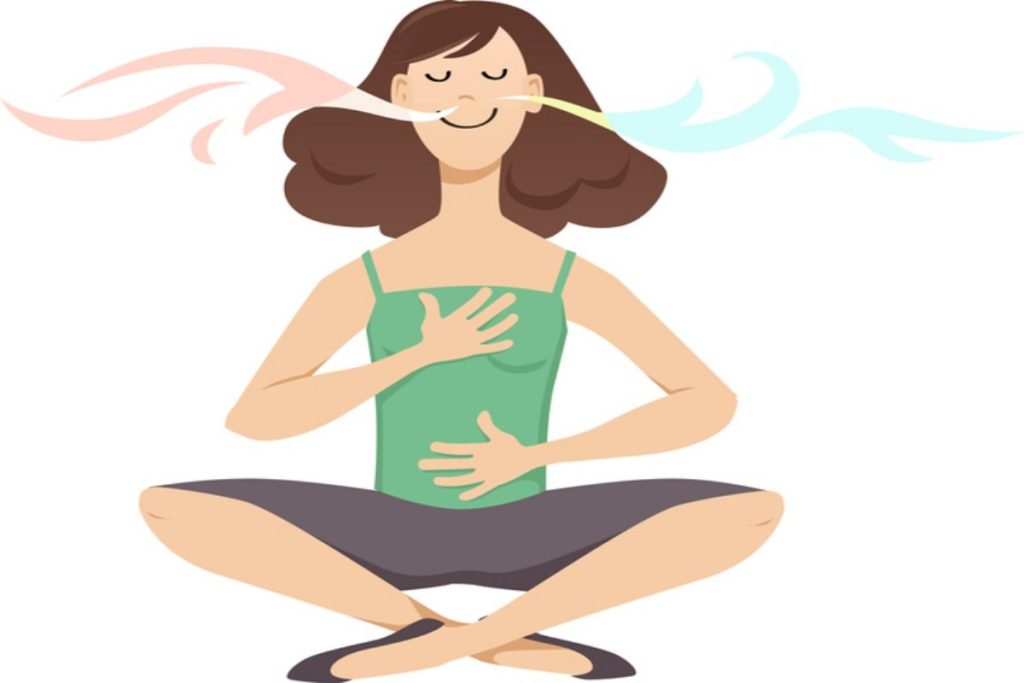
- Increased Oxygen Flow: Proper breathing techniques optimize energy production during workouts by ensuring that oxygen reaches muscles more efficiently. For example, a simple shift from shallow chest breathing to deep diaphragmatic breathing can maximize lung capacity, allowing for more oxygen to enter the bloodstream.
- Stress Reduction: Breathing techniques are widely recognized for their ability to promote relaxation and mental clarity. Practices like deep breathing can lower heart rate and cortisol levels, helping individuals manage stress better during high-pressure situations.
- Enhanced Focus: Effective breathing methods improve concentration and motivation. Athletes often use breathing techniques before competitions to calm nerves and enhance their focus on the task at hand.
- Faster Recovery: Aids in muscle repair and reduces fatigue. Scientific studies suggest that specific breathing techniques can enhance the body’s recovery process by improving circulation and decreasing lactic acid accumulation during intense workouts.
Many athletes and trainers in the United States are now exploring various breathing methods. Techniques like diaphragmatic breathing, box breathing, and nasal breathing are shaping how individuals approach their training routines. Each technique is tailored to different needs, offering diverse benefits that can be applied by anyone from casual gym-goers to elite athletes.
Exploring Different Techniques
Take, for example, diaphragmatic breathing, which helps in maximizing lung capacity. This technique encourages individuals to engage the diaphragm fully, resulting in deeper and more efficient breaths. It is often practiced by singers, musicians, and athletes to enhance their stamina and endurance. In contrast, box breathing is a technique that involves inhaling, holding, exhaling, and holding again for equal counts, such as four seconds each. This method is frequently used by Navy SEALs to regulate stress levels and enhance concentration, particularly in high-stakes environments.
Nasal breathing, another popular technique, emphasizes inhaling and exhaling through the nose rather than the mouth. This method not only filters and warms the air that enters the lungs but also promotes slower, deeper breaths, which can improve overall respiratory efficiency and oxygen utilization during workouts.
As more studies emerge linking breathing techniques to training efficiency, the connection becomes clearer. Researchers are uncovering how these practices can play a crucial role in not just athletic performance but overall wellness and mental health. By delving into this subject, athletes can unlock new levels of performance and well-being, ultimately leading to a more rewarding fitness experience. Analyzing and adopting effective breathing techniques can be an essential step in achieving fitness goals and enhancing daily life.
DISCOVER MORE: Click here to learn how strength training can transform your body
Unlocking Potential: How Breathing Techniques Enhance Training
Breathing techniques are gaining traction among athletes and fitness enthusiasts alike, who are beginning to recognize their profound impact on training efficiency. By focusing on how we breathe, individuals can not only improve their physical performance but also support their mental clarity and emotional resilience. Understanding the mechanics of breath can lead to more rewarding training sessions and even greater strides toward fitness goals.
Physiological Foundations of Breathing
At the core of effective breathing lies the science of respiration. Each breath is an opportunity to transport oxygen throughout the body, enabling energy production at the cellular level. Oxygen uptake is essential during physical exertion, as it fuels the muscles and supports endurance. With proper breathing techniques, one can optimize this process, enhancing their stamina during workouts.
For instance, when an individual engages in diaphragmatic breathing, they activate the diaphragm more efficiently than through shallow chest breathing. This action not only increases lung volume and maximizes oxygen intake but also triggers a relaxation response that can lower heart rates. Studies indicate that athletes who incorporate diaphragmatic breathing into their routines experience improved performance metrics, including greater stamina during prolonged activities.
The Symbiotic Relationship Between Breath and Mind
Training isn’t solely a physical endeavor; the mental aspect is equally critical. Stress and anxiety can negatively impact athletic performance, making breathing techniques a powerful tool for enhancing focus and reducing anxiety levels. Techniques like box breathing serve as a foundation for mental discipline. By regulating breath in a structured rhythm, athletes can calm their minds before a competition, allowing for improved concentration and reduced pre-event nerves.
Moreover, engaging in slow, intentional breathing helps optimize the physiological response to stress. Practicing nasal breathing during workouts not only ensures better oxygen utilization but also promotes the release of calming neurotransmitters. This effect can bolster both mental clarity and emotional stability, enhancing overall training effectiveness.
Implementing Breathing Techniques in Training
To maximize the benefits of breathing techniques, it is crucial to integrate them thoughtfully into training routines. Consider the following strategies:
- Start with Awareness: Pay conscious attention to your breath during exercises. Notice how it changes with the intensity of your workout.
- Incorporate Deeper Breaths: Focus on creating deeper, longer breaths to increase oxygen flow, especially during challenging sets.
- Practice Pre-Workout Breathing: Use techniques like box breathing to find a centered state of mind before beginning your training session.
- Recovery Breathing: After intense workouts, employ deep diaphragmatic breaths to facilitate recovery and relaxation.
As the exploration of breathing techniques continues, the link between breath and our physical, mental, and emotional states becomes increasingly evident. Athletes who commit to mastering these techniques often experience significant improvements not just in training efficiency but also in their overall well-being. Embracing strategic breathing can thus be seen as an essential aspect of athletic training, capable of unlocking new levels of performance.
Breathing Techniques and Their Impact on Training Efficiency
In the realm of fitness and athletic performance, the importance of proper breathing techniques cannot be overstated. Understanding how different breathing methods can influence training efficiency is essential for athletes and fitness enthusiasts alike. By integrating the right breathing patterns into their routines, individuals can maximize performance, reduce fatigue, and enhance overall training outcomes.One notable aspect of breathing techniques is their ability to improve oxygen delivery to muscles during exercise. When the body receives adequate oxygen, it can function optimally, allowing athletes to perform at their peak levels for longer periods. In particular, deep breathing practices, such as diaphragmatic breathing, enable the body to utilize oxygen more effectively, promoting endurance and stamina.Moreover, breathing techniques play a vital role in regulating heart rate and stress levels. Techniques like box breathing or the 4-7-8 method can induce a state of calm, which is especially beneficial before high-intensity training sessions. By fostering relaxation and reducing anxiety, athletes can enhance focus and concentration, leading to improved workout performance.To illustrate the impact of breathing techniques on training efficiency, let’s take a closer look at a thoughtful comparison of their various advantages.
| Advantage | Impact on Training |
|---|---|
| Enhanced Oxygen Utilization | Improves muscle endurance and delays fatigue during workouts. |
| Stress Reduction | Promotes mental clarity and focus, enabling better workout performance. |
Incorporating various breathing techniques into a training routine can be incredibly transformative. Understanding how these practices contribute to efficiency creates avenues for athletes to explore new methods to refine their performance. With each breath, mindful attention can shift the trajectory of one’s training journey, unveiling vast potential that has otherwise remained untapped.
DISCOVER MORE: Click here to learn about setting realistic goals
Transforming Athletic Performance: Advanced Breathing Techniques
As the awareness of the importance of breathing techniques grows among athletes, several advanced methods are emerging that take these techniques a step further. These methods not only focus on the act of breathing but also incorporate synchronization with physical movements, enhancing the overall efficiency in training and competition.
Advanced Techniques: The Science Behind Breath and Movement
One notable approach is breath synchronization, where athletes coordinate their breath with their movements for optimized performance. For example, many runners utilize a pattern of inhaling for a set number of steps and then exhaling for the same or a different number. This alignment can help stabilize the body, regulate the heart rate, and maximize the oxygen flow during strenuous activities. By maintaining a steady breathing rhythm, runners can also enhance their endurance and reduce fatigue.
Furthermore, research indicates that athletes practicing tactical breathing, often used by military personnel, can experience heightened control over their physiological state in high-pressure situations. This technique involves consciously taking deep, slow breaths—typically inhaling for four seconds, holding for four seconds, and exhaling for six seconds—which can significantly reduce stress and anxiety levels during competitions. Athletes who adopt such techniques report greater composure and sharper focus, allowing them to perform at their best when it matters most.
The Integration of Breath Awareness in Strength Training
In the realm of strength training, mastering breath control can lead to noteworthy gains. Lifters who implement breath-hold techniques often perform lifts with greater force. By taking a deep breath before initiating a lift and holding it during the exertion phase, lifters stabilize their core and create intra-abdominal pressure. This added stability can enhance lifting performance and reduce the risk of injury. For instance, powerlifters commonly use this technique to maximize their strength during heavy squats and deadlifts.
Breathing Practices Beyond the Gym
Breathing techniques extend beyond traditional athletic training to adapt to daily activities and even rehabilitation. As more athletes recognize the importance of supportive practices, many have started exploring yoga and meditation, which incorporate various breathing exercises. These practices not only improve physical capabilities but also help athletes recover faster from injuries by promoting relaxation and reducing muscle tension.
Moreover, integrating breathing techniques into everyday life can enhance overall health and well-being. For example, box breathing has gained popularity not just among athletes but also among professionals in high-stress environments such as corporate settings, where mental sharpness and stress management are paramount. Regular practice can lead to improved cognitive function and emotional resilience, benefiting both physical training and professional performance.
As training regimens evolve, the integration of breathing techniques serves as a powerful enhancer of efficiency in both physical and mental domains. Athletes who zealously adopt these advanced methodologies stand to gain a competitive edge, transforming their approach to performance in profound and lasting ways.
DISCOVER MORE: Click here to learn about isometric strength training
Conclusion: The Power of Breath in Athletic Training
In summary, breathing techniques have emerged as a crucial element in optimizing training efficiency for athletes across various disciplines. By adopting practices such as breath synchronization and tactical breathing, athletes can enhance not only their physical performance but also their mental composure in high-pressure situations. The physiological benefits—ranging from increased oxygen flow to improved core stability—underscore the significant role that proper breath control plays in facilitating strength, endurance, and overall athletic efficacy.
The integration of these techniques into strength training routines demonstrates their versatility, further establishing breathing as an essential aspect of athletic preparation. Furthermore, the adoption of breathing practices outside the gym—such as through yoga and meditation—not only aids in recovery but also promotes a holistic approach to wellness that can positively impact daily life. As athletes continue to face increasing competition, the benefits gained from these techniques could be the differentiating factor that sets one competitor apart from another.
As we look toward the future of athletic training, it is clear that the interplay between breath and performance will only continue to evolve. Athletes, coaches, and fitness enthusiasts are encouraged to explore these advanced breathing methodologies, recognizing that the simple act of breathing holds profound potential for enhancing training outcomes. This intrinsic connection between mind and body reiterates the essence of athleticism—one that is empowered through the conscious control of our breath.