
The Evolution of Fitness through Technology
The rise of fitness technology represents a fundamental shift in how people engage with their health and exercise routines. No longer confined to traditional gym environments, individuals now have access to a variety of tools that can make their workouts more effective and enjoyable. With innovations such as wearable fitness trackers, smart gym equipment, and health apps, the landscape of physical fitness is evolving rapidly.
A significant aspect of this technological boom is the capacity for real-time data tracking. Devices like smartwatches and fitness bands provide immediate feedback on essential metrics such as heart rate, distance covered, and calories burnt. For instance, the popular Fitbit and Apple Watch empower users to monitor their activities throughout the day, helping them stay accountable and motivated. Such accountability is crucial, as studies indicate that individuals who track their workouts are more likely to stick with their fitness goals over the long term.
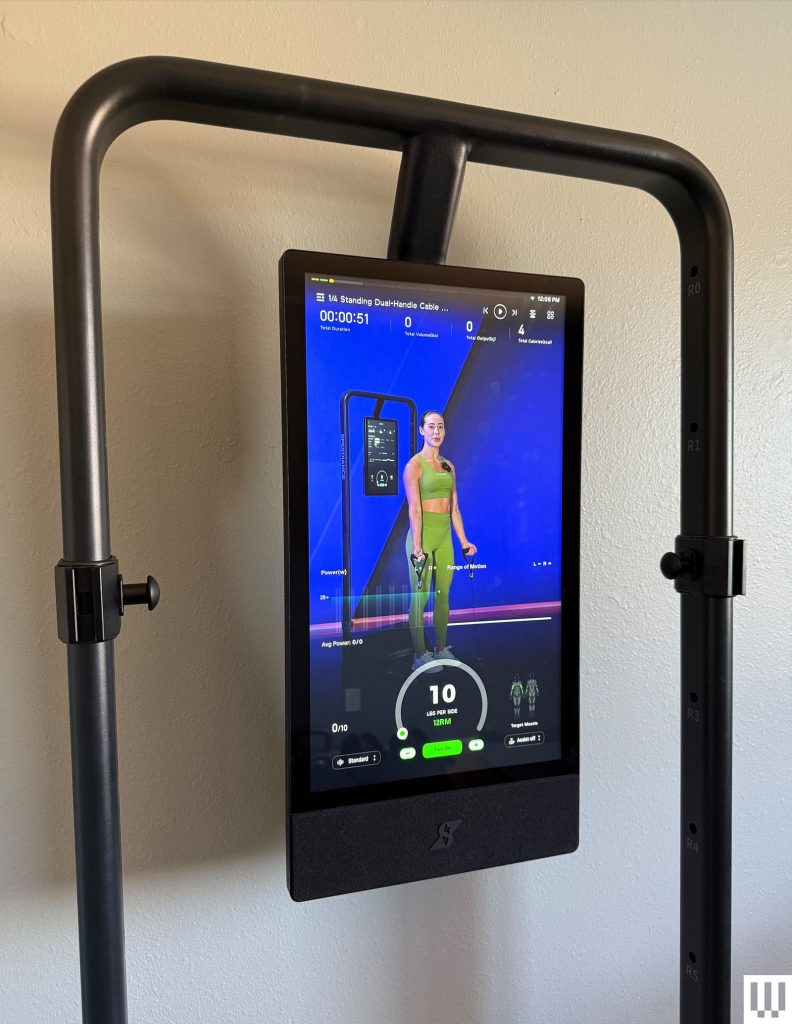
In addition to data tracking, the emergence of interactive workouts has transformed traditional exercise. Virtual classes available through platforms like Peloton or Tonal not only allow users to work out at home but also connect them with a community of fitness enthusiasts. This features a range of experiences, from live-streamed cycling sessions to on-demand strength training, allowing people to participate in workouts that fit their schedules. The social aspect of these platforms promotes a sense of belonging, which can be particularly motivating for individuals who may feel isolated in their fitness journeys.
The customization of fitness plans is another vital area enriched by technology. Apps such as MyFitnessPal or Noom offer personalized workout suggestions based on individual goals, fitness levels, and preferences. This personalized approach helps users find workouts that they genuinely enjoy, thereby increasing adherence to their fitness plans. Personal trainers are also utilizing software that allows for tailored workout regimens that adapt based on a client’s progress and changing needs, enhancing the effectiveness of their sessions.
Moreover, the rise of data-driven fitness solutions has encouraged a more analytical approach to health and wellness. As algorithms become smarter, they help to fine-tune recommendations and enhance user experiences. This trend reflects a broader cultural shift towards a proactive attitude in health management, where individuals can adapt their workouts in response to their biometric data.
In conclusion, technology is not merely an add-on to the fitness experience; it is reshaping the very essence of how we approach physical exercise. As we continue to navigate this evolving landscape, the integration of fitness technology promises to foster healthier lifestyles and cultivate communities of engaged individuals motivated to pursue their wellness goals. As fitness enthusiasts in the United States embrace these innovations, the ongoing possibilities are both exciting and boundless.
DISCOVER MORE: Click here to enhance your training with the power of music</p
The Rise of App-Connected Equipment
As technology in fitness continues to evolve, app-connected equipment stands at the forefront of this revolution, dramatically changing how individuals approach their workouts. Unlike conventional gym machines that serve a singular function, today’s equipment often integrates with smartphones and tablets, opening up a world of interactive capabilities. Through advanced connectivity, users can now access tailored experiences that enhance motivation and drive results.
Consider the transformation that gym machines like the NordicTrack treadmill and interactive home gym systems such as the Tonal. Not only do these devices allow users to monitor progress in real time, but they also offer guided workouts led by certified trainers. These features enable participants to engage with the exercise in a way that was previously unimaginable, as they receive instant feedback and encouragement tailored to their performance.
Furthermore, the rise of app-connected fitness equipment fosters a new sense of community among users. Through challenges and leaderboards, individuals can connect with friends or family, inspiring healthy competition. This interactivity offers several benefits that impact both motivation and adherence to fitness routines:
- Social Engagement: Users can share their accomplishments, attend virtual classes together, and encourage each other through workout sessions.
- Progress Tracking: The ability to visualize improvements over time helps users stay committed to their goals.
- Expert Guidance: Many apps offer access to professional trainers who can provide real-time adjustments and advice, optimizing performance and safety.
Additionally, app-connected equipment often uses artificial intelligence to analyze an individual’s movements and tailor workouts accordingly. For example, smart weights may automatically adjust to match the user’s strength level as they progress, dramatically enhancing the effectiveness of resistance training. As these technologies advance, they create a more personalized experience that caters to various fitness needs and goals.
The innovation doesn’t stop there; the integration of virtual reality (VR) is becoming increasingly popular in fitness environments as well. Devices like the Oculus Quest allow users to immerse themselves in virtual fitness experiences, whether it’s climbing mountains, cycling through scenic routes, or battling virtual opponents in high-energy workouts. The use of VR elevates the experience beyond mere physical activity, transforming the perception of exercise into an enjoyable and engaging game.
In conclusion, app-connected equipment represents a significant shift in how fitness enthusiasts in the United States are engaging with their health journeys. By leveraging technology, these innovations are not only making workouts more interactive and enjoyable but also promoting accountability and community engagement. As the fitness landscape continues to evolve, the ability to connect, track, and enhance workouts through technology will undoubtedly play a crucial role in shaping the future of personal fitness.
As the landscape of fitness continues to evolve, app-connected equipment stands at the forefront, redefining how workouts are designed, executed, and monitored. In recent years, the integration of technology into fitness routines has facilitated personalized training experiences, making them more efficient and engaging than ever before.One of the most significant advancements is the ability of smart equipment to track and analyze performance data. With real-time feedback, users can adjust their workouts according to their personal fitness goals, whether it’s weight loss, muscle gain, or endurance improvement. This level of customization not only enhances effectiveness but also boosts motivation—app-connected devices provide users with tangible results through metrics such as calories burned, distance run, or even heart rate monitored via Bluetooth-enabled wearables.Moreover, social connectivity has transformed solitary workouts into shared experiences. Many fitness applications now offer features that allow users to compete with friends or join virtual classes led by professional trainers. This communal aspect fosters motivation and accountability, encouraging individuals to push beyond their limits. Fitness challenges, leaderboards, and the ability to share progress on social media serve to create a community of fitness enthusiasts, enhancing the overall experience.The convenience of access also plays a significant role in the acceptance of app-connected equipment. With the ability to work out from the comfort of home or any location, users are more likely to adhere to their fitness routines. For instance, smart bikes and treadmills can stream live workouts and offer on-demand classes, allowing users to find inspiration whenever it suits them. Furthermore, these devices can offer reminders and scheduling features, making it easy to integrate fitness into everyday life.Another critical advancement is the incorporation of artificial intelligence in personal training apps. This innovation allows for real-time adjustment of workouts based on the user’s input and performance data. AI-driven coaching provides personalized tips and corrections, optimizing technique and safety. For example, several applications can analyze your range of motion and provide suggestions to improve form, significantly reducing injury risks.In summary, the growing influence of technology on modern fitness through app-connected equipment is ushering in a new era of workout personalization, community engagement, and convenience. The ability for users to tailor their fitness journeys while receiving support and accountability reflects a major paradigm shift in how individuals perceive health and wellness. As this technology continues to develop, it will undoubtedly further shape our understanding of effective workouts and holistic fitness strategies.
LEARN MORE: Click here for insights on avoiding common strength-building mistakes
Transforming Personal Training and Workout Customization
Beyond enhanced interaction and community engagement, app-connected equipment is revolutionizing the concept of personal training. Traditionally, hiring a personal trainer could mean significant financial investment and reliance on scheduled appointments, but technology now provides an alternative that is both flexible and cost-effective. Apps that integrate with fitness machines can serve as virtual trainers, guiding users through personalized workouts without the need for one-on-one sessions. These applications can make adjustments based on real-time performance data, ensuring that workouts remain effective regardless of the individual’s physical location.
One notable example is the Peloton bike, which not only allows users to cycle, but also offers live and on-demand classes where participants can compete with others. The metrics displayed during the workouts—such as cadence and output—are synced with an app that tracks progress over time. This data-driven approach creates a personalized route for each user, making it easier for them to achieve their fitness goals.
Furthermore, the possibilities for customization are boundless. Users can input their fitness levels, preferences, and even specific goals, and the app can design workouts that evolve as the user progresses. Machine learning algorithms play a significant role in this adaptability, learning individual preferences and adjusting intensities or workout types accordingly. For instance, a beginner looking to build stamina might focus on shorter, less intense sessions initially, while more experienced athletes could be pushed toward challenging high-intensity interval training (HIIT) routines.
In addition, smart equipment like the JAXJOX Kettlebell takes customization to an advanced level by allowing users to select their desired weight through an app interface, which then adjusts the kettlebell mechanically. This not only maximizes the flexibility of home workouts but also eliminates the need for multiple weights cluttering living spaces.
Advancements in Wearable Fitness Technology
Another layer of sophistication in the realm of fitness technology is the integration of wearable devices with app-connected equipment. The Apple Watch, Fitbit, and similar devices now go hand-in-hand with smart machines, providing comprehensive fitness tracking. This includes heart rate monitoring, calorie burn calculations, and even sleep analysis, which enhances the user experience by allowing individuals to correlate workout intensity with recovery needs.
Take the example of smart watches that offer workout suggestions based on user data. If a device detects that a user has not achieved their activity goals for the day, it can recommend specific workouts available on compatible app-connected equipment, such as a high-energy spinning class on the Peloton or a resistance workout on Tonal. This proactive approach not only keeps users engaged but also helps them develop a well-rounded fitness routine.
Moreover, health metrics from wearables can be synced with fitness apps, creating a holistic view of an individual’s health. This data allows users to make informed decisions about their training regimens, nutrition, and overall lifestyle, ultimately leading to better fitness outcomes. By utilizing these insights, individuals can create a comprehensive and informed fitness strategy tailored directly to their unique bodies and goals.
As technology continues to cement its place in the fitness industry, the role of app-connected equipment is becoming increasingly indispensable. The innovations discussed—ranging from virtual personal training to smart, customizable gear—display how dynamic this field has become. As more capabilities emerge, users can expect increasingly personalized and effective workout experiences that cater to their evolving needs.
DIVE DEEPER: Click here to learn more
Conclusion
In conclusion, the advent of app-connected equipment has undeniably transformed the landscape of modern fitness. As we’ve explored, technology serves not only as a facilitator of personalized workouts but also as a motivator that adapts to the individual’s journey. The integration of smart devices with equipment like the Peloton bike and JAXJOX Kettlebell exemplifies a new dimension of convenience, customization, and community, enabling users to achieve their fitness goals more efficiently.
The inherent flexibility offered by these innovations means that fitness enthusiasts can tailor their routines without the constraints of traditional gym settings. With the power of machine learning algorithms and data-driven insights from wearables like the Apple Watch and Fitbit, individuals can receive real-time feedback that creates an informed approach to health and wellness. This personalized data not only helps maintain motivation but also ensures that training regimens evolve in tandem with an individual’s capabilities and aspirations.
As the fitness industry continues to embrace technological advancements, it’s evident that these changes will impact how we perceive exercise and wellness. The rise of virtual personal trainers and intelligent equipment represents a significant shift in access and affordability in personal fitness, making it more inclusive than ever. For those willing to embrace it, the future of fitness promises engaging, adaptable, and always-connected workout experiences that pave the way for healthier lifestyles.
By delving deeper into these innovations, fitness enthusiasts and novices alike can uncover a world of possibilities that redefine what it means to stay fit. With technology leading the charge, staying active is not just a goal but a seamlessly integrated part of everyday life.