
Exploring the Dynamics of Strength Training
When embarking on a journey towards muscular strength and fitness, two primary exercise categories emerge as the cornerstones of strength training: compound and isolated exercises. The debate on which is more effective in achieving desired fitness goals is one that captivates both novices and experienced lifters alike.
Compound exercises are celebrated for their ability to engage multiple muscle groups and promote overall functional strength. These movements mimic real-life activities, thereby enhancing the body’s coordination and performance in everyday tasks. Popular examples include:
- Squats: A fundamental movement that targets the quadriceps, hamstrings, glutes, and core. Whether performed with a barbell or just bodyweight, squats foster strength and stability.
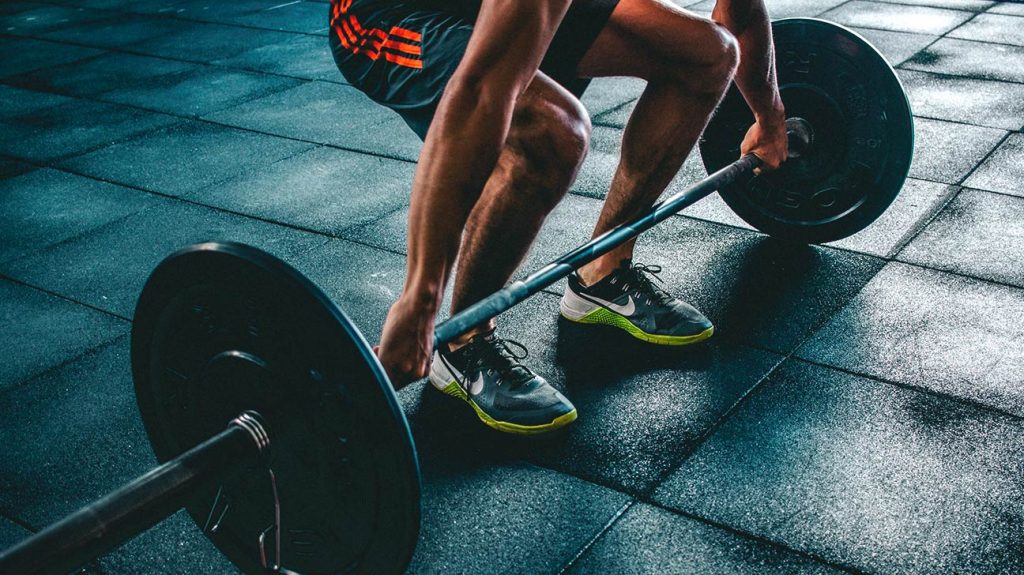
- Deadlifts: Known for their ability to engage the entire posterior chain, deadlifts strengthen the back, glutes, and legs. They are particularly effective for developing functional strength, making them a staple for athletes.
- Bench Press: This upper body exercise primarily works the chest, triceps, and shoulders. It is a benchmark for measuring upper body strength among gym-goers.
- Pull-ups: An excellent bodyweight exercise that engages the back, biceps, and shoulders, pull-ups not only enhance strength but also build grip endurance.
Conversely, isolated exercises serve a vital purpose, particularly in targeting specific muscle groups that may be lagging behind or require focused strengthening. This is especially relevant for rehabilitation or when honing in on aesthetics. Common isolated exercises include:
- Bicep Curls: A classic move that focuses solely on the biceps, helping to sculpt and define the arms.
- Tricep Extensions: By isolating the triceps, these movements enhance the strength and appearance of this often-overlooked muscle group.
- Leg Extensions: Primarily targeting the quadriceps, these are beneficial for those looking to isolate and strengthen the front thighs.
- Calf Raises: These are crucial for building strength in the lower legs, improving aesthetics and performance in many other exercises.
Deciding which form of exercise to prioritize can significantly impact your training outcomes. While many experts tout the superiority of compound movements for overall muscle growth and functional strength, isolated exercises play an essential role in preventing injury and addressing muscle imbalances. For instance, a well-rounded training program might include a foundation of compound lifts supplemented by isolated exercises to refine specific areas – offering the best of both worlds.
As your strength training journey unfolds, it’s important to evaluate your personal fitness objectives. Are you aiming for bulking up, improving athletic performance, or recovering from an injury? Each goal may require a different balance of these exercise types. By understanding and integrating both compound and isolated exercises effectively, you can craft a training regimen that not only meets your goals but also keeps your workouts engaging and rewarding.
DISCOVER MORE: Click here to learn how periodization can boost your strength training results
Understanding the Roles of Compound and Isolated Exercises
As fitness enthusiasts delve deeper into strength training, it becomes crucial to grasp the distinct roles that compound and isolated exercises play in building strength. Both types of exercises can provide unique benefits, and understanding these can clarify which to utilize based on individual goals and circumstances.
Compound exercises, by their nature, are designed to work on multiple muscle groups simultaneously. This multi-joint approach not only enhances strength but also improves overall functional capacity, ensuring that the body can perform activities of daily living with greater efficiency. With such a focus on integrated movement patterns, compound exercises have gained acclaim in various fitness communities, especially among those looking to maximize their workouts. Beyond the obvious gains in muscle mass, research shows that compound movements can elevate testosterone and growth hormone levels, which are critical for muscle development and strength gain.
Notably, incorporating compound lifts like squats or deadlifts can stimulate significant calorie expenditure, making them an integral part of weight loss programs as well. They challenge the cardiovascular system while promoting stability, making them particularly advantageous for athletic training where multiple muscle systems must work in harmony. Athletes often emphasize compounds in their routines because these movements simulate the complex movements required in sports, offering a functional edge not seen with isolates.
On the other hand, isolated exercises provide a targeted approach that is equally influential in strength building. These exercises hone in on specific muscles, allowing for focused muscle engagement and enhancement. This specificity can be particularly beneficial for individuals recovering from injuries or correcting muscle imbalances that may affect performance or posture. For instance, bicep curls and tricep extensions are perfect for targeting arm muscles that may be lagging behind due to the more demanding nature of compound lifts.
Furthermore, isolating particular muscle groups can aid in sculpting and defining muscles for aesthetic purposes, an aspiration many gym-goers pursue. While some may argue that isolates are less efficient than compounds because they engage fewer muscles at once, their role in injury prevention and building muscle symmetry is vital. By strengthening weaker muscles, individuals can enhance their overall performance during compound lifts, reducing the likelihood of injury.
- Flexibility in Training: Utilizing both types of exercises allows for a well-rounded approach that can adapt to changing fitness goals.
- Increased Muscle Activation: Targeted isolation can lead to significant improvements in the strength of specific muscles that support compound movements.
- Enhanced Recovery: Isolated workouts can serve as active recovery days while still facilitating muscle engagement.
- Balanced Physique: Integrating isolates helps address aesthetic goals by promoting definition and sculpting of specific muscle groups.
In conclusion, the debate of whether to prioritize compound or isolated exercises is not definitive; rather, it hinges on understanding personal training objectives. A cohesive strength training program should not neglect either category. By thoughtfully navigating the inclusion of both compound and isolated movements, individuals can forge a stronger, more balanced physique that meets their unique goals.
Understanding the Impact of Compound Exercises
Compound exercises involve multiple joints and muscle groups, making them an efficient choice for building overall strength. When you perform movements like squats, deadlifts, or bench presses, you not only engage the primary muscles but also activate stabilizing muscles, which enhances coordination and functional strength. Research indicates that these types of exercises can lead to greater hormonal responses, such as increased testosterone levels, which are crucial for muscle growth. Furthermore, compound exercises are time-efficient, allowing for a comprehensive workout in significantly less time than if you were to focus on isolated movements.For those targeting athletic performance, compound exercises are critical as they mimic real-world movement patterns. These exercises foster strength, power, and endurance simultaneously, which is beneficial for athletes in various sports. Additionally, they can improve your balance and posture through the engagement of your core, which is often neglected in isolated movements.
The Role of Isolated Exercises in Strength Building
On the other hand, isolated exercises target a specific muscle group and are invaluable for muscle definition and rehabilitation. For example, movements such as bicep curls or leg extensions allow for focused strengthening, which can help in correcting muscle imbalances. This specialized training can be particularly advantageous for bodybuilders aiming for aesthetics or individuals recovering from injuries who need to strengthen specific muscles without straining others.Isolated exercises also facilitate a deeper mind-muscle connection, encouraging greater muscle engagement and better technique. While they may not provide the same functional strength benefits as compound exercises, they play a significant role in a well-rounded fitness regimen. Taking advantage of both approaches allows individuals to maximize their training results, ensuring comprehensive muscle development while minimizing injury risk.
| Exercise Type | Key Advantages |
|---|---|
| Compound Exercises | Enhances overall strength, engages multiple muscle groups, increases functional fitness. |
| Isolated Exercises | Targets individual muscles, improves muscle definition, aids in rehabilitation. |
Integrating both compound and isolated exercises into your training routine allows for a balanced approach to strength building, ensuring that you build functional strength while also focusing on aesthetic goals. Thus, understanding the unique advantages of each can guide fitness enthusiasts in creating an optimized workout plan.
DISCOVER MORE: Click here to learn how music can boost your training
Performance Enhancement Through Strategic Exercise Selection
Understanding when to employ compound versus isolated exercises can potentially make a significant difference in achieving desired fitness outcomes. Athletes and fitness trainers often emphasize the importance of aligning exercise choice with specific performance goals, and this alignment can drive better outcomes on both strength and endurance fronts.
Dynamic athletic performance heavily relies on compound movements. For example, a well-Balanced squat primarily engages the quadriceps, hamstrings, glutes, and even the core, allowing athletes to replicate the explosive strength needed for sprinting or jumping. As they engage multi-joint movements, they refine their kinetic chains, translating strength training directly into enhanced performance in sports. The act of generating power from the legs and applying force through various joints mirrors real-life sports scenarios, allowing athletes to train in a functional manner.
Moreover, a significant finding from sports science research is that compound exercises stimulate neuromuscular adaptation. This adaptation results in improved coordination among muscle groups, promoting mechanical efficiency during athletic movements. For instance, Olympic lifters who practice complex lifts, such as the clean and jerk, often report better performance in dynamic sports due to the refined coordination and muscle activation patterns developed through compound training.
Conversely, isolated exercises serve as a targeted solution for athletes seeking to address specific weaknesses discovered during performance assessments. Consider a baseball pitcher; maintaining proper shoulder health and strength is critical for their performance and longevity in the sport. Exercises like reverse flys or external shoulder rotations isolate shoulder muscles, reinforcing their stability and strength. This approach minimizes the risk of injuries that typically stem from muscle imbalances, showcasing how isolations can indirectly support the overall strength-building journey.
- Focused Rehabilitation: Isolated exercises are often the backbone of rehabilitation protocols. They promote gradual loading and allow rehabilitation professionals to provide tailored rehabilitation programs, especially for injuries like rotator cuff tears or knee sprains.
- Progressive Overload: Both methods can facilitate progressive overload, essential for muscle growth. While compound lifts allow athletes to add weight effectively, isolated exercises permit controlled increases in resistance to enhance specific muscle engagement, ensuring continual progress.
- Versatility of Equipment: Isolated exercises require minimal equipment—dumbbells and resistance bands suffice—making them accessible for those working out at home or in limited spaces, a factor increasingly relevant in today’s fitness landscape shaped by the pandemic.
- Behavioral Adaptation: Engaging in a mix of both exercise types can improve consistency and motivation. An individual might find enjoyment in the complexity of compound movements while also appreciating the focused effort associated with isolation.
Ultimately, the relationship between compound and isolated exercises in strength training lies in their respectful synergy rather than competition. Strength-building workouts can become limited when the conversation favors one over the other. Adopting a flexible approach that prioritizes the strategic blend of both types of exercises can spark lasting improvements, helping individuals continue building strength for diverse fitness aspirations.
DISCOVER MORE: Click here to enhance your training
Conclusion: Finding Balance for Optimal Strength Building
In the ongoing debate between compound and isolated exercises, the evidence suggests that the true strength of any fitness program lies in understanding both approaches and their unique benefits. While compound exercises are unparalleled in developing overall strength and functional movement patterns critical for athletic performance, isolated exercises serve an invaluable purpose in targeting specific muscle groups and addressing imbalances that can hinder progress.
The integration of both methods fosters a comprehensive training regimen that aligns with individual fitness goals—whether that’s enhancing general strength, improving athletic performance, or supporting rehabilitation efforts. By incorporating compound movements, athletes can benefit from increased power and coordination, while targeted isolation can help prevent injuries and optimize muscle stability.
A strategic blend acknowledges the multifaceted nature of strength training, allowing individuals to tailor their workouts to their needs. Moreover, this fusion can keep workouts fresh and engaging, enhancing motivation—a key factor in long-term fitness adherence.
As individuals explore their personal fitness journeys, it’s essential to remain open-minded about training methodologies. Whether in a gym filled with weights or in a smaller home setup, the adaptability of both compound and isolated exercises can drive remarkable strength improvements. Emphasizing synergy over singular advantage empowers individuals to harness the best of both worlds, ultimately revolutionizing their strength-building approach.
In conclusion, the answer to which is better lies not in choosing one over the other but in recognizing the value of both in sculpting a well-rounded and effective strength training regimen. Embrace the power of balance, and watch your fitness efforts flourish.
Related posts:
The Influence of Psychology on Strength Increase: Motivation and Mindset
The Importance of Periodization in Strength Training
Nutrition and Supplementation: The Role of Food in Maximizing Muscle Strength
Training Strategies to Maximize Strength in Different Muscle Groups
How Nutrition Affects Strength Building and Performance in Training

Beatriz Johnson is a seasoned fitness specialist and writer with a passion for simplifying the complexities of strength training and gym workouts. With over a decade of experience in the fitness industry, she specializes in topics like weight training techniques, workout programming, and exercise science principles. Through her work, Beatriz empowers readers to make informed fitness decisions, build sustainable training habits, and stay ahead in their journey toward stronger, healthier bodies.