
Creating a Minimalist Space: Applying the Principles of Simplicity in Home Organization
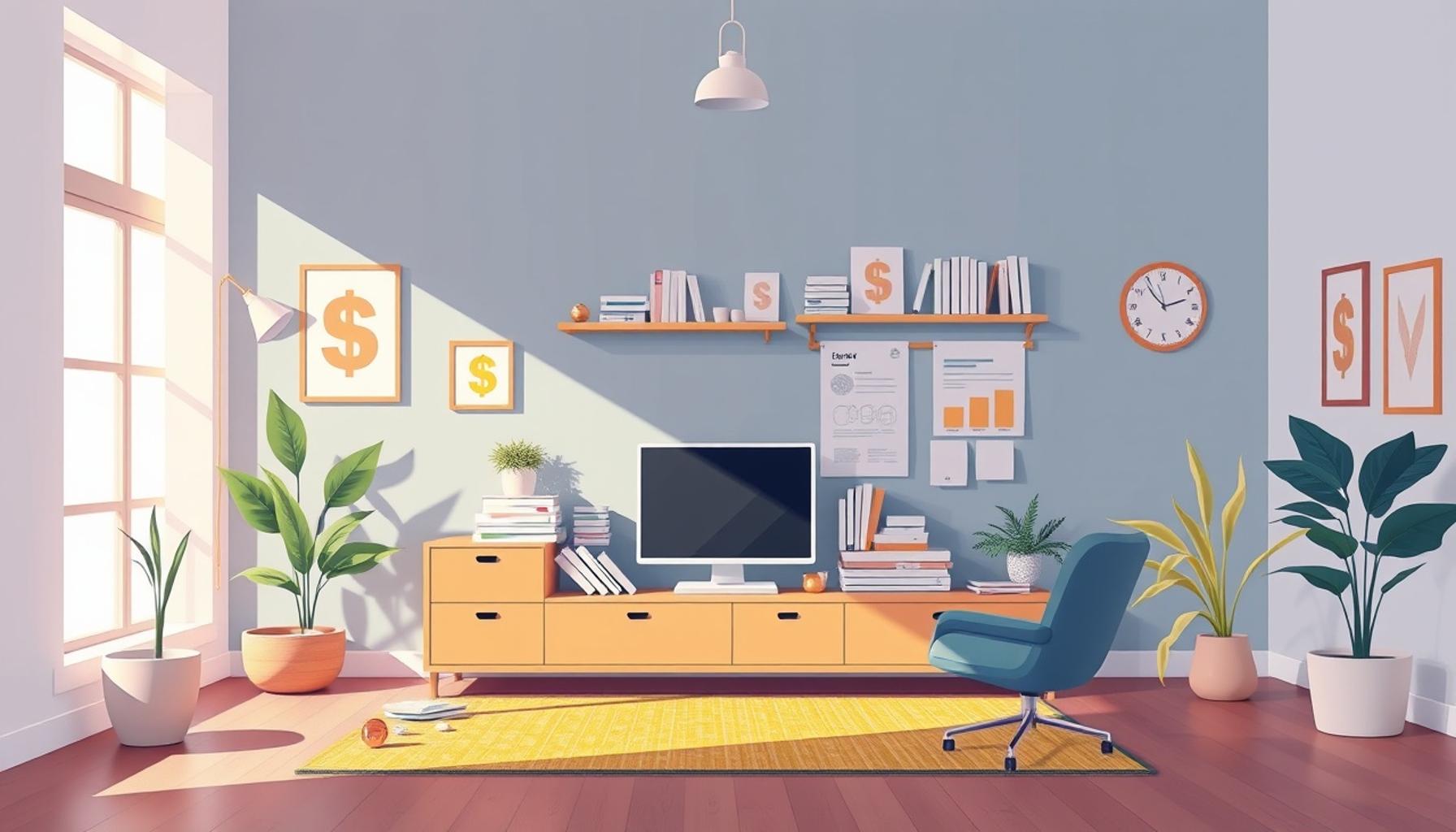
The Beauty of Simplicity
In a climate where consumerism reigns and clutter fills our lives, the appeal of minimalism stands out as a refreshing alternative. This lifestyle philosophy encourages individuals to seek clarity by stripping away the non-essential, thereby reshaping not just our homes, but also our mental states. Instead of surrounding ourselves with excess, minimalism invites us to cultivate environments that promote peace and foster creativity.
Embracing minimalism brings with it a multitude of benefits that extend far beyond aesthetic changes. For instance, when you simplify your surroundings, you create an atmosphere that is conducive to enhanced clarity and focus. A study conducted by the University of California, Los Angeles (UCLA) found that physical clutter significantly interferes with cognitive processes, making it difficult to concentrate on tasks at hand. Minimalist decor, characterized by clean lines and open spaces, can lead to improved productivity in both personal and professional realms.
Furthermore, the act of decluttering has been shown to reduce feelings of stress and anxiety. A survey by the National Institute of Mental Health revealed that many individuals feel overwhelmed by their possessions. By adopting a minimalist approach, you can inherently lessen the mental load associated with managing unnecessary items, allowing for a more tranquil state of mind. This shift not only benefits your emotional health but also leads to a more functional and enjoyable living environment. For example, when each item has a designated purpose, daily routines become more efficient, making it easier to navigate through life’s demands.
Steps Towards Simplification
If the idea of minimalism intrigues you but feels daunting, don’t worry—there are manageable steps you can take to ease into this lifestyle. First, begin by assessing your belongings. Consider adopting the ‘One-Year Rule’: if you haven’t used an item in the past year, it may be time to let it go. Regularly involving yourself in this decluttering process can yield profound results over time.
Secondly, consider investing in multi-functional furniture. For instance, a stylish ottoman with storage capabilities or a sofa bed can significantly reduce clutter while providing practical solutions. In cities like New York, where space is at a premium, such furniture choices can be both a space-saving strategy and a statement of style.
Finally, establishing designated areas for different items in your home is vital. By creating ‘homes’ for each belonging, you help maintain an organized space. Regularly revisiting these areas ensures that clutter doesn’t creep back in, allowing your minimalist sanctuary to thrive.
Venturing into the world of minimalism not only transforms your living space but also leads to a more intentional approach to life. As this journey unfolds, prepare to discover the profound impacts simplicity can have on your daily experiences. Are you ready to embrace a lifestyle that champions clarity, peace, and joy?
Understanding the Minimalist Mindset
Before diving into the practicalities of creating a minimalist space, it’s essential to understand the mindset behind minimalism. Minimalism is not merely about having fewer items; it’s a lifestyle choice that prompts individuals to reevaluate their relationship with possessions. The core principle revolves around the belief that quality should triumph over quantity. By focusing on what truly matters, we can cultivate a home environment that serves both functional and emotional needs.
One key aspect of achieving this balance is the practice of mindful consumption. This means approaching purchases with intention and consideration. Ask yourself questions like: “Do I really need this?” or “Will this enhance my life?” This scrutiny not only aids in decluttering but also promotes a more sustainable lifestyle. According to a report by The National Recycling Coalition, reducing consumption significantly diminishes waste, which aligns perfectly with minimalist principles.
As you contemplate which items to keep, it’s important to recognize the emotional attachment we often develop with our belongings. Items may carry memories or serve as reminders of past experiences. Acknowledge these attachments, but then consider their place in your current life. A great approach is to limit sentimental items to a single box or designated area, ensuring that you’re not overwhelmed by emotional clutter while still honoring the memories associated with those belongings.
Practical Tips for a Minimalist Home
Embarking on your journey to minimalism can feel overwhelming, but starting with small, achievable goals is key to maintaining motivation and creating substantial change. Here are some practical tips to help you cultivate a minimalist space:
- Start Small: Focus on one room or area at a time. This prevents you from feeling overwhelmed and allows for noticeable progress.
- Organize Regularly: Set a schedule for periodic decluttering sessions. Whether it’s monthly or quarterly, staying on top of your belongings will maintain a streamlined environment.
- Think in Terms of Functionality: Every piece in your home should serve a purpose. Items that don’t contribute to your daily life or well-being should be re-evaluated and potentially removed.
- Embrace Empty Spaces: Allow parts of your home to be free of clutter. Empty spaces can lend themselves to a sense of tranquility and clarity, reinforcing the minimalist ethos.
Incorporating these tips not only aids in organizing your home but also reinforces the mental benefits of a minimalist environment. Remember that minimalism is a journey, not a destination. Each step brings you closer to achieving a space that reflects your personal values and priorities.
As you make these adjustments, consider how a minimalist approach can influence other aspects of your life, from your work habits to your social interactions. Embracing simplicity can often lead to profound personal transformations, prompting questions about what you value most in life.
| Advantage | Description |
|---|---|
| Increased Clarity | A minimalist space reduces visual clutter, leading to improved focus and mental clarity. |
| Better Efficiency | Organizing essentials in a simple way enhances your daily routine, allowing quicker access and saving time. |
As you delve deeper into the art of minimalism, it becomes essential to understand the underlying principles guiding this lifestyle. These principles aim to remove distractions, enabling individuals to appreciate their surroundings fully. By applying the tenets of simplicity, you can create a serene and calming home environment that fosters both creativity and productivity. Moreover, the minimalist approach encourages you to focus on quality over quantity. When you choose fewer items, you are more likely to invest in higher-quality essentials that serve a purpose, offering longevity rather than quick fixes. This shift not only benefits your personal space but also impacts your overall well-being, as you cultivate a home that reflects your true self.Through strategic home organization rooted in minimalism, you will discover not just physical space but also mental room for clarity and inspiration. With a curated collection of belongings, every piece within your home can spark joy and enhance functionality, drawing you closer to the essence of a minimalist lifestyle.
Designing a Minimalist Aesthetic
Beyond merely decluttering, creating a minimalist space involves embracing a specific aesthetic that harmonizes with the principles of simplicity and functionality. This aesthetic is characterized by clean lines, a neutral color palette, and an abundance of natural light, all working together to create a serene and uncluttered atmosphere. By focusing on design elements that reflect minimalism, you can transform your home into a sanctuary that promotes relaxation and mindfulness.
A simple yet powerful way to introduce this aesthetic is through your choice of furniture. Opt for pieces that are both functional and visually appealing. Look for furniture that fits well with your space without overpowering it. Multi-functional items, such as a coffee table with storage or a bed with built-in drawers, can serve dual purposes, maximizing the utility of your space while minimizing visual clutter.
Color selection plays a crucial role in establishing a minimalist vibe. Aim for a cohesive color scheme that consists primarily of neutral tones like whites, grays, and earth tones. These colors not only create a calming environment but also have the added benefit of making spaces appear larger and more open. You can break this palette with carefully chosen accent colors, perhaps through artwork or decorative items, but be mindful of keeping these accents minimal to avoid overwhelming your space.
Utilizing Natural Elements
Integrating natural elements into your design can enhance the minimalist aesthetic. Indoor plants, for instance, not only add a fresh touch to your home but also purify the air, improving the overall atmosphere. According to a study by the American Society of Interior Designers, incorporating plants can elevate mood and productivity, making your living environment more pleasant and invigorating.
In terms of window treatments, consider opting for sheer curtains or blinds that allow natural light to infiltrate your space. This not only brightens the area but also fosters a connection with the outdoors. Harsh artificial lighting can create an uninviting environment, whereas the soft glow of natural light can significantly enhance the ambiance of your home.
Smart Organization Strategies
Effective home organization is a cornerstone of minimalist living. To maintain your minimalist space, implement storage solutions that keep items out of sight yet easily accessible. Use decorative boxes, baskets, or dividers to organize smaller items. These containers not only conceal clutter but also align with minimalist principles by maintaining a clean look while serving a functional purpose.
Consider digital decluttering as well. In a world increasingly ruled by technology, digital files can quickly accumulate, creating a virtual sense of clutter. Regularly assess your digital storage—whether on your computer or cloud services—and eliminate unnecessary files, emails, and applications. Adopting a digital minimalist approach can drastically reduce mental clutter while enhancing focus and productivity.
In summary, addressing both the aesthetic and organizational aspects of your home is vital to achieving a truly minimalist space. Embrace the philosophy of “less is more” by selecting functional items, prioritizing open spaces, and utilizing natural light and elements. As you progress on this journey, you will find that the principles of minimalism not only create a beautiful environment but also enrich your overall lifestyle.
Conclusion: The Path to a Minimalist Home
In an era where excess often reigns, the philosophy of minimalism offers a refreshing alternative, inviting us to embrace simplicity in our living spaces. By applying the principles of simplicity in home organization, we create not just aesthetically pleasing environments, but sanctuaries that foster peace and productivity. This journey entails more than just discarding items; it is about rethinking how we interact with our possessions and our surroundings.
As we explored, introducing elements such as clean design, a cohesive color palette, and natural light can profoundly impact our emotional well-being and mindset. These features combined with furniture that serves multiple purposes help in maintaining a clean, serene atmosphere. Additionally, integrating nature into our homes through plants and natural materials enhances the freshness of our living spaces, contributing to both the physical and mental clarity we seek.
Moreover, effective organization practices—both physical and digital—are essential to achieving minimalist success. By employing smart storage solutions and digital decluttering, we pave the way for an organized, stress-free lifestyle that allows us to focus on what truly matters. As you embark on this transformative journey, remember that minimalism is not just a design choice, but a lifestyle that has the power to enrich your day-to-day experience.
Ultimately, embracing minimalism invites us to live intentionally, cultivating a home that echoes our values and priorities. By continuing to explore, adapt, and refine your approach, you will not only create a minimalist space but also invite a deeper connection with your home and self.
Related posts:
The power of simplicity: how the principles of simplicity transform personal organization
Simplicity in Personal Organization: Strategies for a Less Stressful Daily Life
The Art of Simplifying: How the Principles of Simplicity Can Transform Your Life
Digital Minimalism: Applying Principles of Simplicity in the Information Age
Simplicity in Routine: How Principles Can Help Create More Effective and Less Overloaded Daily Habit...

Linda Carter is a writer and organization expert specializing in minimalism and personal organization. With extensive experience helping individuals create clutter-free, functional spaces and adopt mindful habits, Linda shares her knowledge on our platform. Her goal is to empower readers with practical advice and strategies to simplify their lives, stay organized, and achieve a sense of calm and balance in their daily routines.