Creating Functionality Zones: How to Define Spaces to Increase Efficiency in Minimalist Environments
Embracing Minimalism through Functional Spaces
In a world where distractions abound, creating functionality zones is essential for boosting productivity. Minimalist environments can be exceptionally effective when tailored to your needs, transforming cluttered areas into well-defined spaces. By strategically organizing your environment, you can foster both efficiency and tranquility.
Consider the following key aspects when defining your spaces:
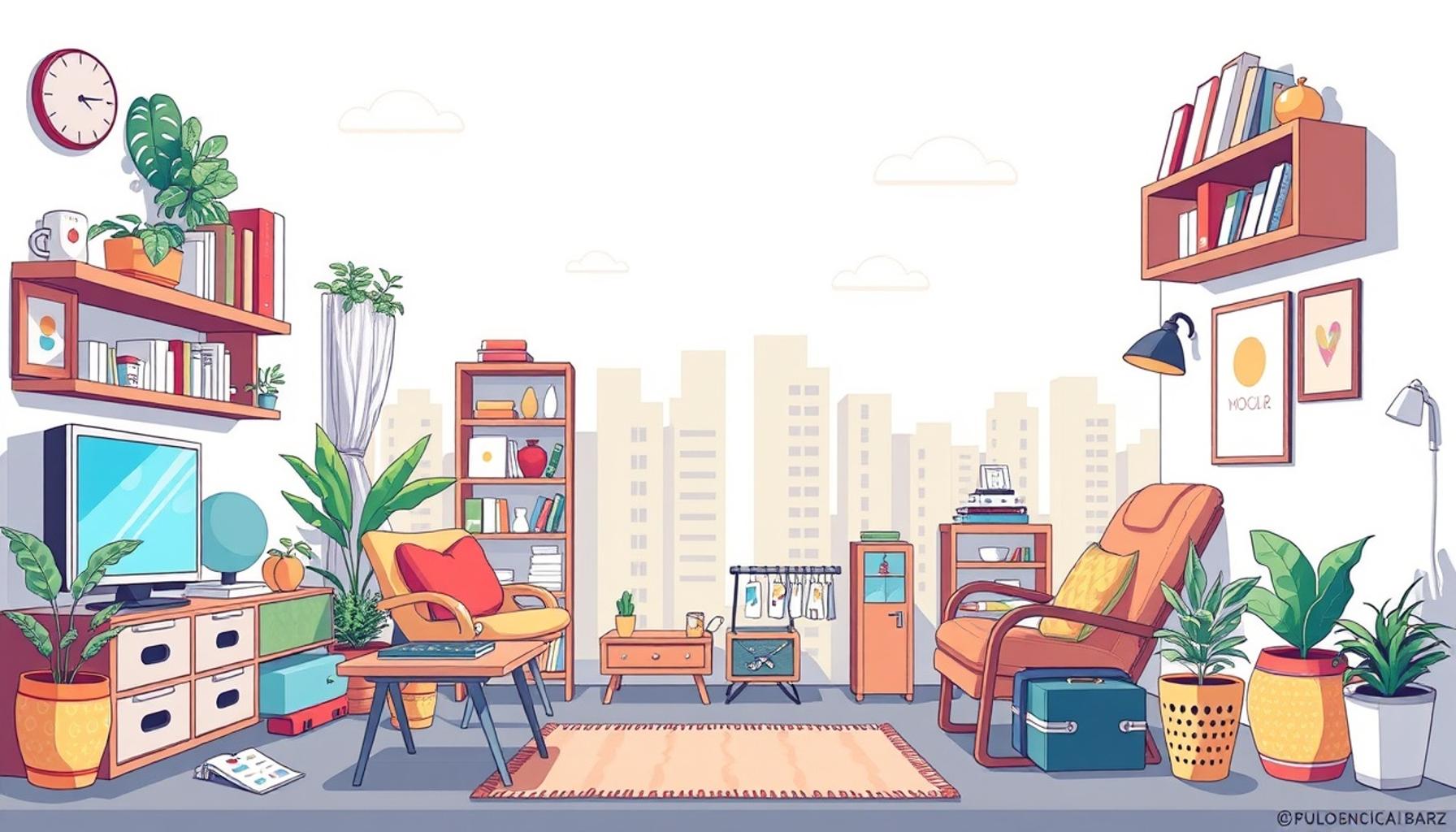
- Purposeful Design: Each area should serve a specific function, reducing the need for multitasking. For instance, designate a corner of your living room exclusively for reading, equipped with comfortable seating and proper lighting. This organizes your activities and subtly prompts you to unwind and engage with literature.
- Visual Clarity: Clear zones can enhance focus and minimize overwhelm. An office area separated from living spaces, adorned with a single desk and organized supplies, can significantly improve your ability to concentrate on work without the distractions of home life. This visual separation is pivotal in maintaining mental boundaries between tasks.
- Adaptability: Flexible spaces allow for easy adjustments according to changing needs. For example, a dining area can double as a workspace during the day, with mobile furniture that can be rearranged to accommodate different functions. This ensures that every square foot of your home serves a purpose, a core principle of minimalism.
Functional zones can include areas dedicated to work, relaxation, and creativity. This organization not only maximizes the use of available space but also integrates seamlessly with a minimalist aesthetic. By employing neutral colors and simple designs, you can create an environment that feels open and inviting. Research shows that optimized environments contribute to higher productivity and overall mental well-being, affirming that a strategic layout can lead to better emotional health.
As you explore the concept of functional zones, think about how different locations in your home or workspace can be transformed. For instance, a small home office nook could be enhanced with soundproofing elements, ensuring a quieter atmosphere that fosters concentration. You might also declutter kitchen counters by creating designated storage for cooking tools, making meal prep an enjoyable experience rather than a chaotic ordeal.
This approach is crucial for individuals seeking clarity and efficiency amid the chaos of modern life. With the ever-increasing pace of daily routines, the need for intentional spaces that promote productivity and calm is paramount. Join us as we dive deeper into practical strategies for defining these vital spaces, enabling you to streamline your environment and enhance your quality of life through the principles of minimalism.
Defining Essential Spaces for Optimal Efficiency
As you embark on the journey to create functionality zones, understanding the importance of each designated space is paramount. The thoughtful arrangement not only enhances your workflow but also elevates your mental clarity and personal well-being. Here, we will explore various essential spaces and their pivotal roles in promoting functionality while honoring minimalist principles.
Identifying Core Areas of Functionality
Begin by categorizing your living or working areas based on primary functions, ensuring each zone corresponds to a specific activity. By clearly demarcating these spaces, you create an environment that eliminates distractions and maximizes focus. Common functionality zones include:
- Workspace: An area specifically designed for productivity, equipped with organizational tools, ergonomic furniture, and adequate lighting to enhance focus. An efficient workspace encourages a disciplined approach to tasks while minimizing interruptions.
- Relaxation Zone: A sanctuary within your home dedicated to unwinding and recharging. Incorporating cozy seating, ambient lighting, and personal touches can transform this area into a haven of tranquility.
- Creative Corner: A space that nurtures creativity and inspiration, be it for artistic endeavors, writing, or brainstorming. This zone should be infused with materials that spark joy and reflect your unique personality.
- Social Platforms: Spaces designed for interaction, whether entertaining guests in a minimalist dining area or enjoying quality time with family in a cozy living room. These zones should promote connection without overwhelming the senses.
The Psychology of Space Allocation
Research reveals that our environment influences our mindset and behavior. A study conducted by the University of Minnesota highlighted that individuals working in organized, well-defined spaces experienced a significant boost in productivity and creativity. This exemplifies the psychological impact that functionality zones can have on our daily lives.
Moreover, the minimalist philosophy emphasizes quality over quantity. By cultivating fewer, purposeful areas, you can foster a deeper appreciation of each space. This intentional curation leads to a profound sense of satisfaction and peace, allowing you to focus on what truly matters.
To effectively implement this approach, take a moment to assess your current environment. Identify areas that lack clarity or serve multiple functions, which often results in confusion and inefficiency. Consider how reconfiguring these spaces can enhance their distinctiveness and overall usability. For instance, transforming a spare bedroom into a multi-functional guest suite and workspace can optimize underutilized areas, supporting the minimalist ideal of creating a functional living environment.
By understanding and defining the core functionality of various zones within your home or workspace, you are taking a significant step toward increasing efficiency in minimalist environments. Ultimately, this thoughtful organization will pave the way for a lifestyle that embraces simplicity, clarity, and purpose.
When it comes to creating functionality zones in minimalist environments, it is essential to consider not just the aesthetic aspects but also the psychological factors at play. A well-defined space allows individuals to focus on their tasks without the distractions often found in less organized areas. Incorporating elements like color coding, versatile furniture, and strategic layout can significantly enhance the efficiency of each zone.
Utilizing modular furniture can be particularly effective in a minimalist setting. This type of furniture can be reconfigured to meet different needs, allowing for greater flexibility. For instance, a modular sofa can be rearranged to create a collaborative workspace or a cozy reading nook, depending on the time of day or the activity at hand. By transforming the environment in real-time, occupants can maintain a sense of order while maximizing their productivity.
Another critical component is the implementation of designated zones for specific functions, such as work, relaxation, and social interaction. Each zone should cater to the activities expected to occur there and contain tools or materials that support those activities. For example, a workplace might have a desk, comfortable chair, and adequate lighting to enhance focus, while a relaxation zone may include soft furnishings, plants, and calming colors to promote unwinding. This thoughtful organization not only supports productivity but can also shed unnecessary stress from our daily routines.
Moreover, consider the placement of technology and resources within these zones. Keeping frequently used items within arm’s reach while maintaining minimalism is vital. This approach minimizes clutter and supports a clean and efficient workflow. By leveraging the convenience of technology, such as wireless charging stations or integrated outlets, one can create zones that are both functional and aesthetically pleasing.
The goal is to create an environment where efficiency thrives. Think carefully about what each space should convey and achieve. By doing so, you will ultimately enhance the experience of everyone who interacts with these carefully crafted zones.
| Category | Advantages |
|---|---|
| Defined Workspaces | Promote focus and efficiency while minimizing distractions. |
| Flexible Furniture | Allows for reconfiguration to suit changing needs and multiple activities. |
| Dedicated Zones | Facilitates better organization and enhanced productivity. |
Maximizing Functionality through Strategic Design
Once you have identified the primary functionality zones, the next phase involves strategically designing these spaces to optimize their purpose. The principles of minimalist design offer invaluable insights into how to create environments that not only serve their intended functions but also contribute to an overarching sense of balance and harmony. In this section, we will delve into practical strategies and elements that can enhance your functionality zones while adhering to minimalist aesthetics.
Utilizing Dual-Purpose Furniture
One of the cornerstones of creating functionality zones in minimalist settings is the use of dual-purpose furniture. This approach allows you to maximize usable space without overcrowding or cluttering your environment. For instance, consider a sleek sofa bed in the relaxation zone that can transform into a guest bed, or an ottoman that serves as both seating and hidden storage. These versatile pieces contribute to a well-organized atmosphere, ensuring that every item has a purpose while maintaining a clean and streamlined appearance.
Emphasizing Natural Light and Space Flow
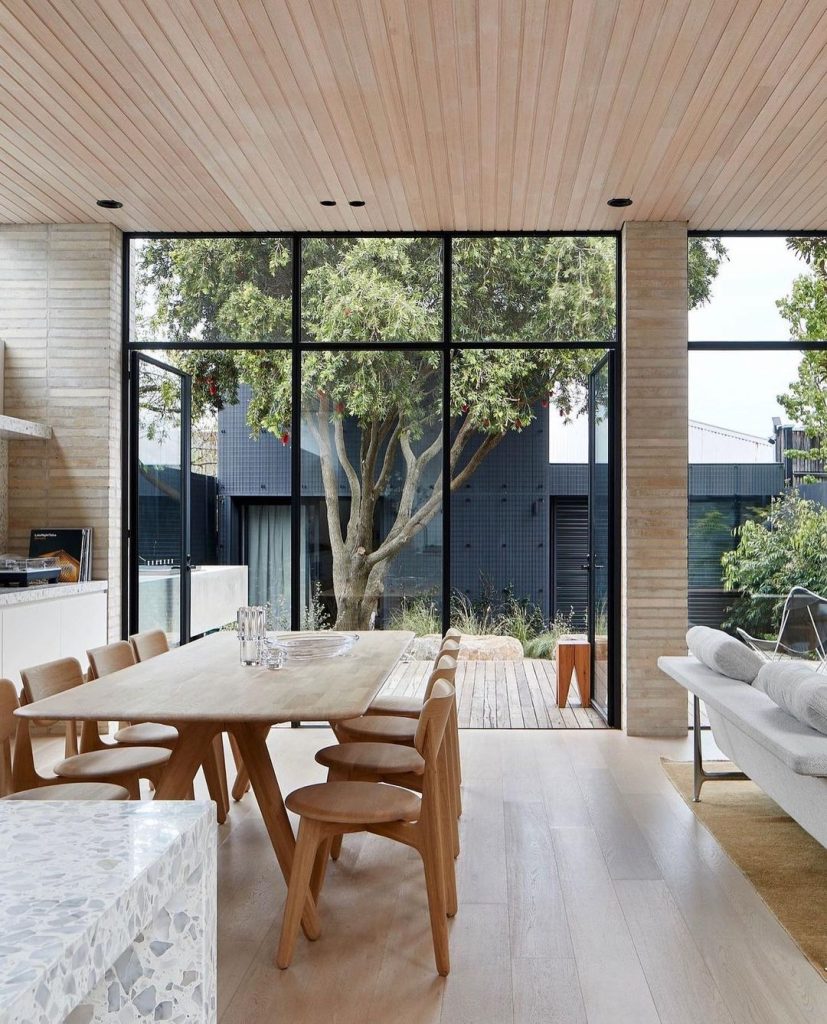
Integrating natural light can dramatically enhance the functionality of your zones. Adequate lighting boosts mood and productivity, making it essential for your workspace and creative corner. Use large windows, skylights, or strategically placed mirrors to reflect light and create an illusion of spaciousness. Additionally, maintaining a smooth flow between different functionality zones is vital. Open layouts inspire movement and transition between spaces while avoiding barriers that may disrupt energy. Consider using area rugs to visually distinguish between zones without obstructing flow—this creates a sense of separation while retaining an open feel.
Incorporating Organizational Tools
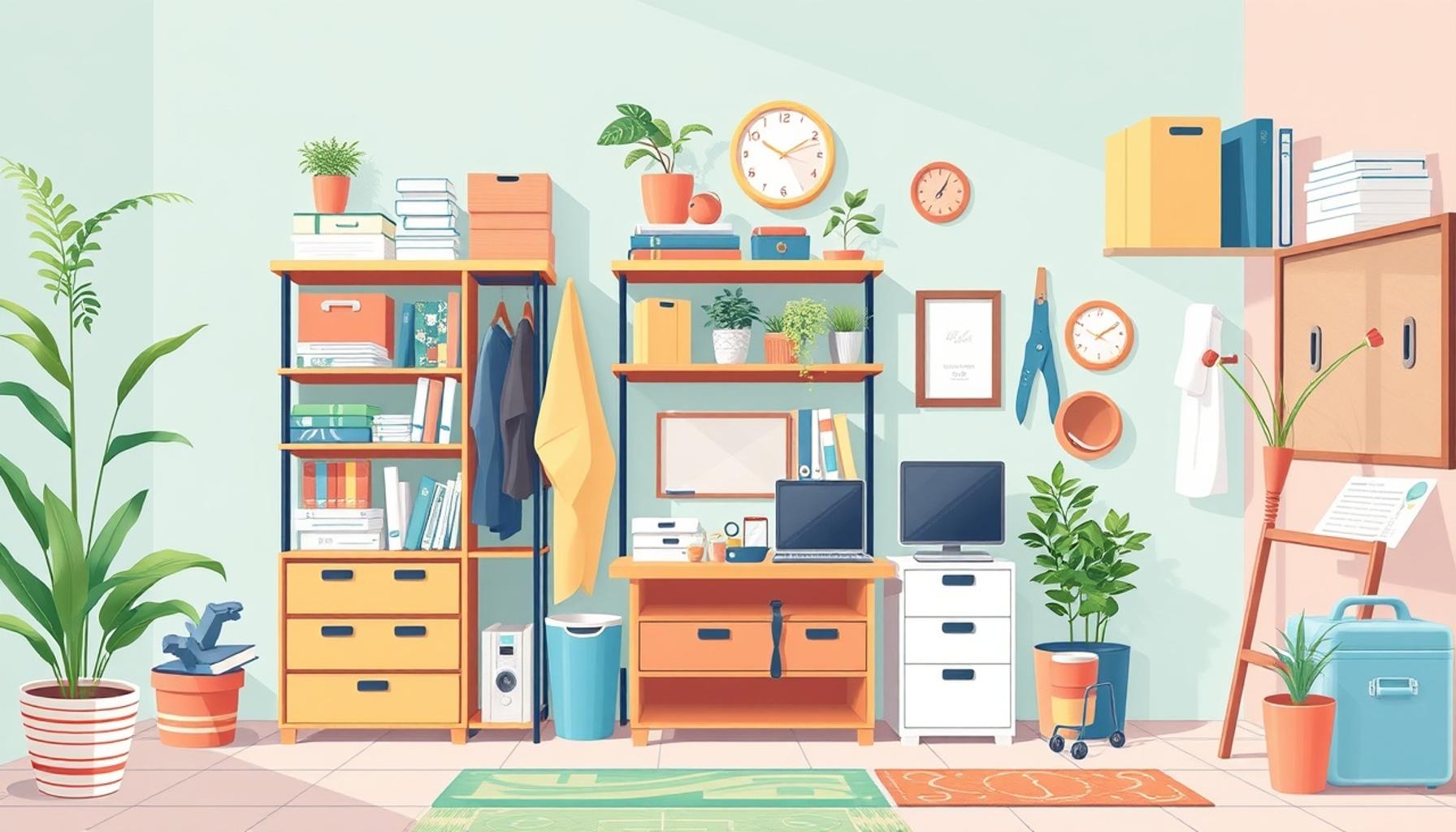
Efficiency in minimalist environments hinges on effective organization. Utilize wall-mounted shelves, pegboards, or multifunctional storage units to keep your zones tidy and functional. In your workspace, opt for desktop organizers that prevent clutter while ensuring easy access to essential items. In the creative corner, having dedicated bins or caddies can facilitate inspiration, allowing tools and materials to be easily accessed and neatly stored away when not in use. Furthermore, implementing routines for regularly decluttering these areas helps to maintain their defined purpose, reinforcing a culture of minimalism.
Personal Touches and Plant Integration
While minimalist design emphasizes simplicity, personal touches can enhance your functionality zones and make them truly your own. Curate a selection of meaningful decor items—artwork, photographs, or souvenirs that resonate with you. These elements can boost inspiration in your creative corner or bring warmth to your relaxation zone. Additionally, integrating houseplants will not only enhance the aesthetic appeal but also improve air quality and foster a calming environment. Research by the University of Technology Sydney indicates that incorporating greenery can significantly reduce stress and enhance focus—making it a perfect addition to workspaces and relaxation areas alike.
By applying these design principles and techniques, you can elevate the effectiveness of your designated zones while maintaining the principles of minimalism. Each space’s distinct purpose becomes clearer, leading to increased engagement, productivity, and peace of mind. As you thoughtfully approach the creation of these functionalities, you’re not only shaping an efficient environment but also cultivating a lifestyle that honors simplicity and purpose.
Conclusion
In the pursuit of efficiency within minimalist environments, creating functionality zones emerges as a powerful strategy that marries purpose with aesthetic appeal. By thoughtfully defining areas for relaxation, work, and creativity, you not only enhance the overall functionality of your space but also foster a lifestyle characterized by clarity and intentionality. As we have explored, the integration of dual-purpose furniture, the optimization of natural light and space flow, effective organizational tools, and the inclusion of personal and natural elements are all pivotal in shaping these zones.
Moreover, embracing this structured approach can lead to significant improvements in productivity and well-being. Research shows that environments designed with purpose can mitigate stress and enhance focus, particularly important in today’s fast-paced world. With every zone distinctly tailored to its function, distractions are minimized, allowing for deeper engagement with tasks and pursuits that matter most.
As you embark on this journey towards refining your living or working space, consider each decision as an opportunity to reinforce your commitment to minimalism. Remember, designing functionality zones is not just about physical space; it’s also about cultivating environments that resonate with your personal values and aspirations. In doing so, you pave the way for a harmonious existence where simplicity fuels creativity and efficiency flourishes.
Ultimately, the process of creating functionality zones is an ongoing exploration. Take the time to assess and adjust these spaces as your needs evolve, ensuring that your environment remains both functional and inspirational. With thoughtful planning and a minimalist mindset, you can transform your surroundings into sanctuaries of purpose and peace.
Related posts:
Nomadic Lifestyles: How Space Optimization is Essential for Small Apartments and Vans
Multifunctional Spaces: How to Create Versatile Environments with Space Optimization
Intelligent Design: Creative Storage Solutions for a Minimalist Lifestyle
Vertical Storage: How to Use Height to Organize Your Space Efficiently
Maximizing Small Spaces: Innovative Storage Solutions for Minimalist Living

Linda Carter is a writer and organization expert specializing in minimalism and personal organization. With extensive experience helping individuals create clutter-free, functional spaces and adopt mindful habits, Linda shares her knowledge on our platform. Her goal is to empower readers with practical advice and strategies to simplify their lives, stay organized, and achieve a sense of calm and balance in their daily routines.