
Understanding the Impact of Functional Training
In the modern fitness landscape, individuals are constantly on the lookout for workout methods that are not only effective but also relevant to their daily lives. This is where functional training comes into play. Distinct from traditional weightlifting or isolation exercises, functional training emphasizes movements that reflect the tasks we perform every day, thus ensuring that our bodies are better equipped for daily challenges.
This innovative training style enhances overall physical performance in various ways, making it particularly appealing for a diverse range of individuals. Here are some of the key benefits:
- Enhances overall strength: Functional training activates multiple muscle groups simultaneously, building strength that is applicable in real-life situations. For instance, lifting groceries, moving furniture, or even playing with children becomes more manageable as your strength aligns with everyday requirements.
- Improves balance and coordination: Many functional exercises, like single-leg deadlifts or stability ball squats, help enhance one’s balance and coordination. Such skills are essential not just in sports but also in daily activities, preventing falls and injuries.
- Increases core stability: A strong core is vital for almost every movement, whether it’s sitting, standing, or engaging in sports. Functional training often focuses on core-strengthening movements, thereby enhancing posture and overall body mechanics.
- Boosts cardiovascular endurance: Many functional training workouts are high-intensity and utilize compound movements, with exercises like kettlebell swings or burpees improving heart health and athletic performance simultaneously.
This multifaceted approach prepares the body by integrating movements such as squatting, lifting, and pushing. Engaging multiple muscle groups simultaneously not only cultivates strength but also markedly reduces the risk of injury, which is a critical concern for active individuals and those recovering from injury alike.
The beauty of functional training lies in its inherent adaptability. It can be customized to suit anyone, from the busy professional looking to squeeze in a workout during lunch breaks to the dedicated athlete aiming to enhance their competitive performance. For example, a busy mom might focus on exercises that mimic lifting and carrying to improve energy and reduce strain during daily tasks, while an athlete may focus on sport-specific functional drills to boost performance.
By diving into the world of functional training, individuals can unlock their potential, significantly transforming their workout routines and improving their physical capabilities. As more people recognize the advantages of training that closely aligns with their daily functions, functional training is poised to become a cornerstone of modern fitness regimens. Engaging in this dynamic form of exercise doesn’t just promote fitness; it cultivates a lifestyle centered around strength, resilience, and overall well-being.
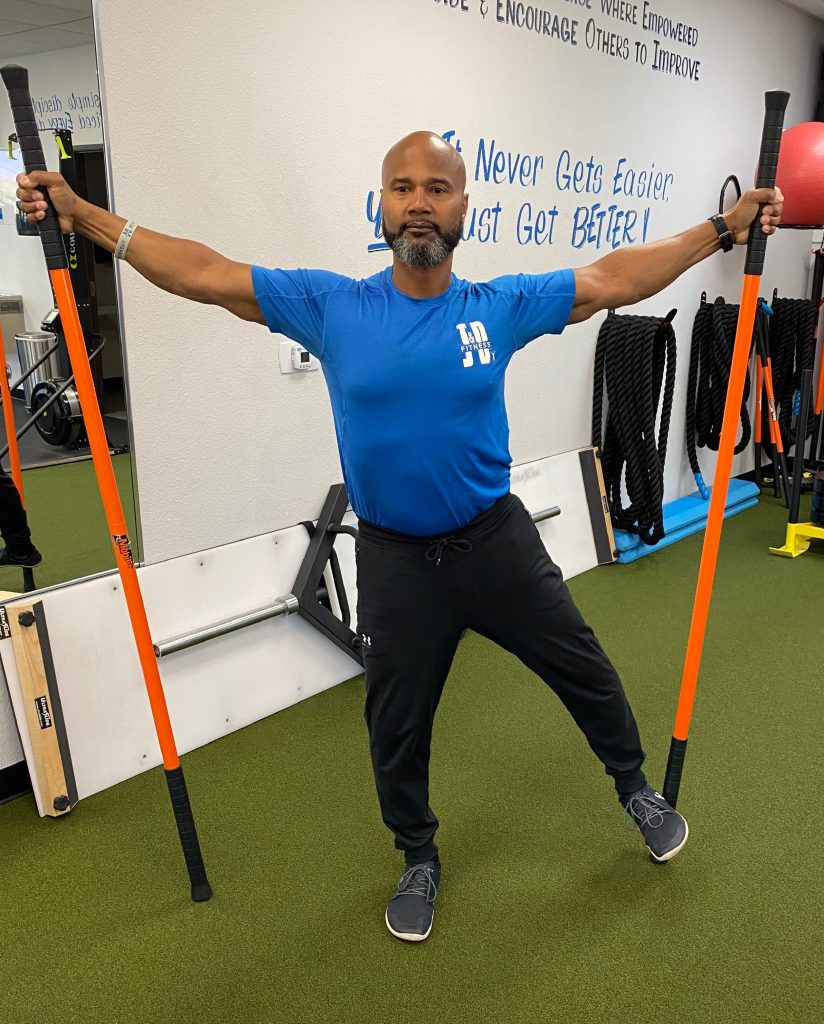
DIVE DEEPER: Click here to enhance your training techniques
The Foundations of Functional Training
At its core, functional training is about harnessing natural movements that are essential both in daily life and athletic performance. By reflecting the actions we take in day-to-day activities, this training approach offers a holistic method for building strength and endurance. Unlike traditional forms of training that might isolate specific muscles or movements, functional training incorporates a variety of exercises designed to enhance overall functionality.
To fully appreciate the impact of functional training, it’s important to understand the types of movements that are typically involved. These movements can broadly be categorized into several key areas:
- Squatting: This fundamental pattern is present in countless daily activities, from sitting in a chair to picking up items off the floor. Incorporating squats into your training routine not only strengthens the lower body but also enhances flexibility and mobility in the hips and knees.
- Hinges: Movements like deadlifts mimic the action of bending at the hips while maintaining a neutral spine. This pattern is vital for lifting objects properly and transferring power, making it crucial for preventing injuries.
- Pushing and Pulling: These movements work the upper body and are intrinsic to numerous daily tasks—from pushing a shopping cart to pulling open doors. Engaging in exercises like push-ups and rows builds strength in the chest, back, and arms.
- Rotating: Many activities require core stability and rotation, such as throwing a ball or swinging a golf club. Training with rotational movements helps develop the oblique muscles, improving athletic performance and reducing the risk of injuries.
- Carrying: Simple tasks like carrying groceries or toddler children require grip strength and core stability. Functional training encompasses exercises like farmer’s walks that emulate these real-life situations, promoting overall strength and endurance.
The integration of these natural movement patterns ensures a more comprehensive approach to fitness. As individuals engage in functional training, they don’t just enhance their physical appearance; they cultivate the ability to perform everyday tasks with greater ease and confidence. In essence, this training method builds a foundation where strength and endurance are both necessary and usable in the context of life.
Moreover, functional training can significantly support rehabilitation and injury prevention. By focusing on movements that promote proper biomechanics, individuals recovering from injuries can re-establish their functional abilities more effectively. Therapists and trainers often incorporate functional training elements into rehabilitation protocols, allowing patients to gradually reclaim their strength and confidence.
As the popularity of functional training continues to rise, it is clear that this method offers more than just a workout; it extends an invitation to engage with one’s body in a meaningful way. By prioritizing movements that matter, individuals can experience a profound impact on their daily lives while enhancing their overall fitness levels. Whether you are a seasoned athlete or a beginner seeking to improve your strength and endurance, functional training provides a pathway to achieve these goals effectively.
| Advantages | Description |
|---|---|
| Improved Strength | Functional training focuses on exercises that mimic natural movements, enhancing muscle coordination and strength for daily activities. |
| Enhanced Endurance | By integrating movements like squats, lunges, and push-ups, this training increases cardiovascular endurance and stamina for prolonged periods of exertion. |
| Injury Prevention | Functional training builds a balanced body, which helps in reducing injury risk by strengthening supporting muscles and improving flexibility. |
| Increased Mobility | Exercises based on natural movements promote joint mobility and improve overall body mechanics, contributing to better performance. |
The focus of functional training on natural movements enhances the overall effectiveness of a workout. It enables individuals to replicate real-life actions, thereby making it an ideal choice for athletes and everyday fitness enthusiasts alike. Whether you are lifting groceries or playing a sport, understanding how your body moves and reacts in various scenarios can significantly boost both strength and endurance, making each movement count. This approach not only develops physical prowess but also builds confidence in one’s ability to perform tasks in daily life efficiently. As these principles of functional training spread, many are beginning to discover the profound impact this holistic approach can have on long-term health, fitness, and usability of the body.
DISCOVER MORE: Click here to learn about the effectiveness of supplements
Building an Effective Functional Training Regimen
Incorporating functional training into your fitness routine is not just about performing a few isolated movements; it involves creating a structured program that reflects your personal goals and lifestyle needs. To maximize the benefits of functional training, it’s crucial to design a regimen that balances intensity, frequency, and variability of movements.
Consider the following key elements when crafting a functional training program:
- Movement Patterns: As previously highlighted, focusing on fundamental movement patterns like squatting, hinging, pushing, pulling, and rotating is essential. Each session should include a variety of these movements to stimulate different muscle groups and enhance overall functional capacity. For instance, alternating between overhead presses and bent-over rows can engage the upper body thoroughly, while including lunges and kettlebell swings targets the lower body effectively.
- Progressive Overload: To achieve increased strength and endurance, it is vital to apply the principle of progressive overload. This means gradually increasing the weight, frequency, or complexity of exercises over time. For example, if you start with bodyweight squats, moving to weighted squats, and eventually to plyometric variations can significantly enhance muscle adaptations and endurance.
- Dynamic Stability: Incorporating exercises that enhance stability and balance is crucial for functional training. These exercises are especially beneficial as they often engage the core and utilize multiple muscle groups. Movements like single-leg deadlifts or stability ball exercises can greatly improve your balance and coordination, playing a pivotal role in your ability to perform daily tasks safely and effectively.
- Interval Training: To boost endurance, integrating high-intensity interval training (HIIT) within your functional workouts can yield significant results. HIIT combines short bursts of intense activity with recovery periods, making it an efficient way to build cardiovascular fitness alongside strength. A session could include a circuit of kettlebell swings, burpees, and battle ropes—allowing for quick yet impactful bursts that echo real-life exertions.
- Equipment Variety: Utilizing a range of equipment, from resistance bands and kettlebells to medicine balls and suspension trainers, can make training sessions more engaging and effective. Each piece of equipment offers unique challenges that recruit different muscle fibers and enhance overall functional ability. For example, resistance bands can assist in developing eccentric strength, while medicine balls can be excellent tools for power training through explosive movements.
Additionally, maintenance of proper form is of utmost importance in functional training. Poor execution of functional movements can lead to injuries, negating the benefits of the training. Therefore, whether you are just starting out or have experience, focusing on mastering the mechanics of each movement is essential.
The use of tech in today’s fitness landscape also plays a significant role in shaping functional training routines. Wearable fitness trackers and mobile applications can provide real-time feedback on performance metrics such as heart rate, movements, and calories burned. These tools empower individuals to tailor their training intensity and monitor improvements, making functional training more dynamic and adaptable.
As functional training evolves, so does its popularity among different demographics, including athletes, seniors, and fitness enthusiasts alike. Furthermore, community engagement through group classes or local training sessions can also foster motivation and accountability, enriching the functional training experience.
Ultimately, embracing the principles of functional training equips individuals with not only physical strength but also the confidence to meet the demands of everyday life. By prioritizing diverse movements and focusing on progressive development, anyone can tap into the natural benefits of functional training and unlock improved strength and endurance.
DISCOVER MORE: Click here to learn about optimizing your strength training results
Conclusion: The Future of Functional Fitness
In summary, functional training serves as a powerful approach to enhancing overall strength and endurance by mimicking the natural movements we perform in daily life. By integrating a variety of movement patterns—such as squatting, pushing, and pulling—individuals can train their bodies in a way that builds not only muscle but also coordination, balance, and agility. The incorporation of elements like progressive overload, dynamic stability exercises, and high-intensity interval training (HIIT) ensures that workouts remain challenging, engaging, and effective.
Moreover, the diverse array of available equipment adds another layer of versatility to functional training, enabling practitioners to discover new methods of achieving their fitness goals. Adopting proper form and technique cannot be overemphasized, as it is paramount to injury prevention and maximal benefit from workouts. Leveraging technology, such as wearable fitness trackers and apps, can further enhance the experience, providing invaluable insights into performance metrics and supporter engagement.
As functional training continues to gain traction across various demographics—ranging from athletes to seniors—it becomes increasingly evident that this training modality offers not just physical benefits but also a profound boost in self-confidence to tackle life’s daily tasks. In a society that constantly seeks efficiency and effectiveness, functional training stands out as a compelling choice for anyone looking to elevate their fitness journey. By embracing this dynamic approach, you pave the way for a stronger, more resilient future.
Related posts:
The Impact of Strength Training Techniques on Body Composition
Active Recovery Strategies: Techniques to Improve Performance in Workouts
How Periodization Can Optimize Your Results in Strength Training
The Importance of Proper Technique in Free Weight Exercises to Avoid Injuries
Recovery Techniques and Their Influence on Performance in Weight Training

Beatriz Johnson is a seasoned fitness specialist and writer with a passion for simplifying the complexities of strength training and gym workouts. With over a decade of experience in the fitness industry, she specializes in topics like weight training techniques, workout programming, and exercise science principles. Through her work, Beatriz empowers readers to make informed fitness decisions, build sustainable training habits, and stay ahead in their journey toward stronger, healthier bodies.