Maximizing Small Spaces: Optimization Strategies for Minimalist Environments
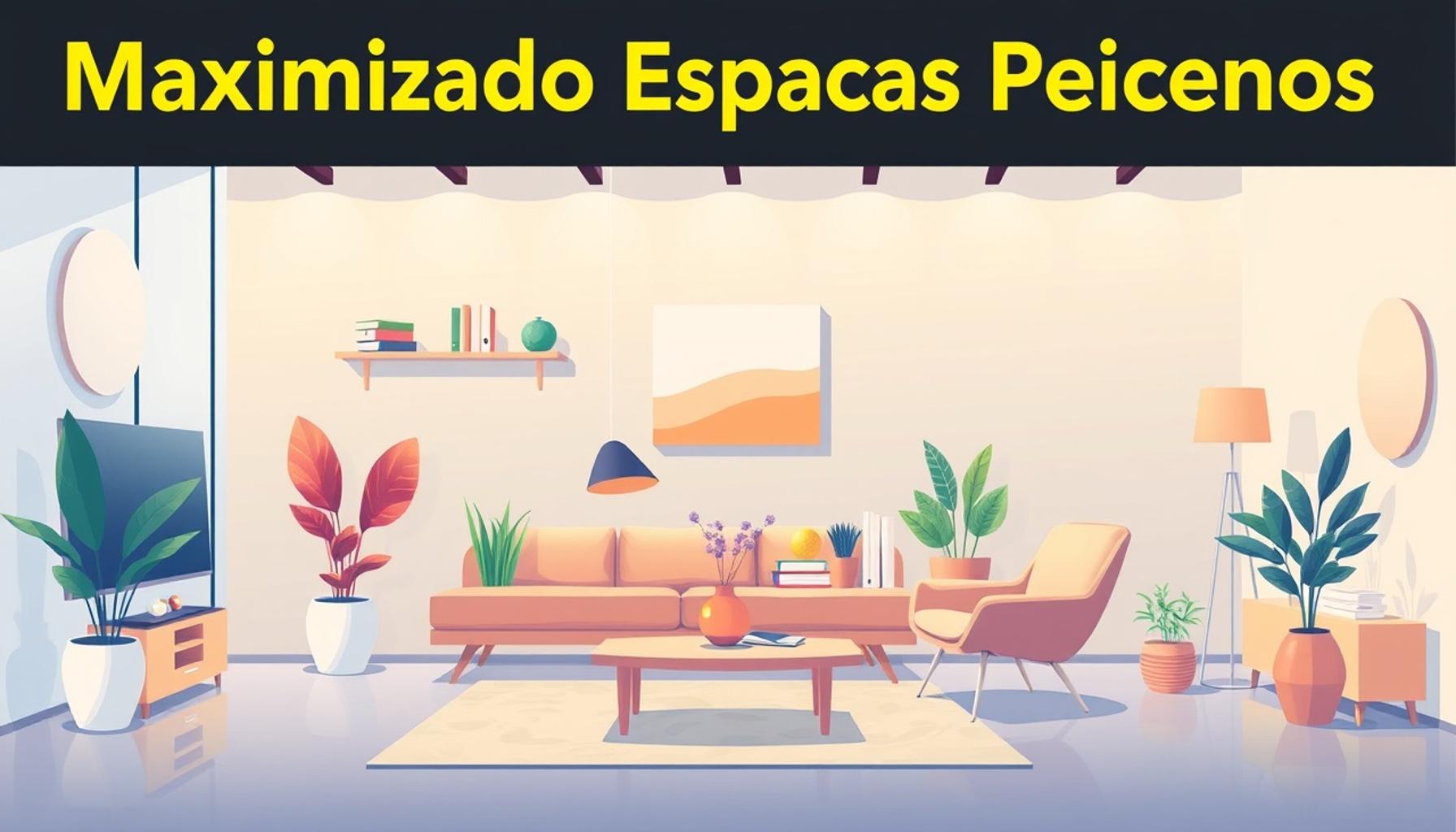
Maximizing Small Spaces: Effective Strategies
In an era where urban living often means downsizing, individuals are increasingly seeking ways to make the most of their limited square footage. With rising real estate prices and a growing trend towards minimalism, finding innovative methods to enhance small living areas has become not only practical but essential for many Americans. By applying clever design principles and space-saving techniques, it’s entirely possible to create a functional and aesthetically pleasing environment.
One highly effective method is the use of multi-functional furniture. This category encompasses a wide range of furniture pieces that serve more than one purpose. Take a sofa bed, for example; it functions as a couch during the day and easily converts into a guest bed at night. Similarly, ottomans with hidden storage can provide seating while also storing blankets or books, ensuring the space remains clutter-free. Dining tables that fold out when needed are another smart choice for optimizing space without sacrificing functionality.
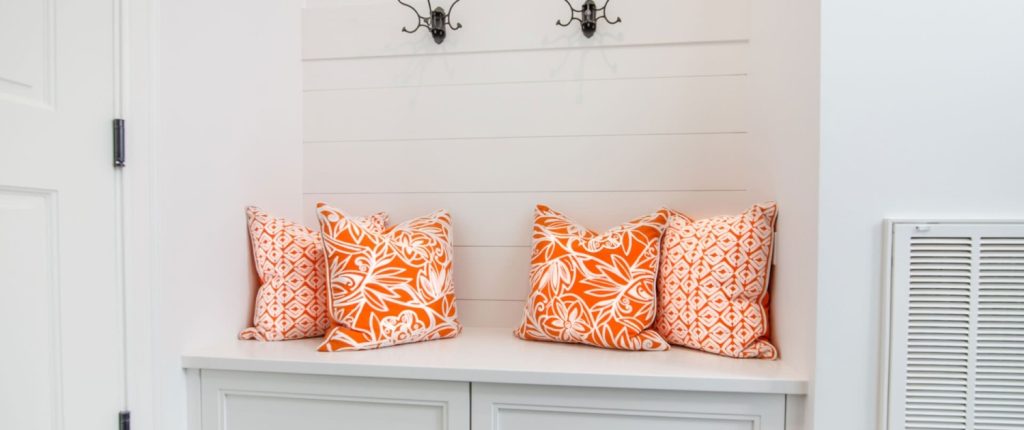
Another strategy is to focus on vertical storage solutions. Walls often remain underutilized in small spaces, yet they can be a treasure trove for maximizing storage. Installing shelves from floor to ceiling not only provides room for books and decorative items but also draws the eye upwards, creating an illusion of a larger space. Hooks can serve as stylish alternatives for hanging everything from hats and coats to pots and pans in the kitchen. By keeping the floor clear, you create a sense of openness that is vital in compact environments.
In addition to these tactics, decluttering routines play a pivotal role in maintaining a streamlined living space. Implementing a regular schedule to evaluate your belongings can significantly improve your environment. The ‘one in, one out’ rule is a popular method where for every new item brought into your home, an existing one is removed. This practice not only helps in keeping unnecessary items at bay but also encourages thoughtful purchasing decisions.
Furthermore, employing a smart layout design can dramatically enhance the flow of your living space. Arranging furniture to create open pathways can enhance movement and prevent the space from feeling cramped. For example, placing a coffee table in the center of a seating arrangement might obstruct traffic patterns; instead, consider moving it to the side or opting for a more streamlined alternative.
Ultimately, as the value of space evolves, these strategies become not just optional but essential for anyone navigating the challenges of modern living. Whether residing in a tiny apartment in New York City or a small house in the suburbs of Chicago, adopting these techniques can lead to an organized, efficient, and beautiful home. Join us in further exploring advanced tactics and insights to transform your limited space into a stylish and functional sanctuary, making the most of every square foot while enjoying the benefits of minimalist living.
Essential Techniques for Optimizing Small Living Areas
Creating an inviting home in a small space often requires a blend of creativity and strategy. One impactful approach is the integration of light and color to enhance the perception of space. Lighter hues like soft whites, creams, and pastels reflect more light, giving an airy feel while making the area appear larger. Conversely, darker shades can emotionally anchor a space but may cause it to feel more confined. When planning your color palette, consider not just the walls, but also your furnishings and decor. Using a cohesive color scheme throughout can further unify the space, making it seem seamless rather than divided.
Equally important is understanding the role of lighting in compact areas. Adequate lighting can transform a small room, as it adds depth and dimension. Utilize natural light whenever possible by keeping window treatments minimal. For instance, opt for sheer curtains or blinds that allow sunlight to filter in while providing privacy. Supplement natural light with multiple layers of artificial lighting, such as ambient, task, and accent lighting. Incorporating dimmable options can help adjust the mood and functionality of the room, ensuring it remains usable for various activities.
To further enhance small living areas, consider adopting the concept of zoning. This technique involves dividing the space into different areas dedicated to specific functions, thereby maximizing its usability. For example, in a studio apartment, an arrangement of furniture can delineate the sleeping area from the living area without the need for physical walls. Plant stands, bookshelves, or even textiles can serve as visual dividers, allowing for privacy and organization while maintaining an open layout. Implementing zones can significantly improve the flow of the space and help identify the purpose of each section.
- Efficient Use of Corridors: Narrow spaces or corridors can serve practical purposes. Utilizing narrow shelving can provide storage for books or decorative items without encroaching on the passage.
- Furniture Arrangement: Mirroring furniture arrangements rather than placing all pieces against walls can create a more inviting atmosphere and introduce intimacy, especially in larger small spaces.
- Define Multi-Use Areas: For instance, a dining table can also serve as a workspace—ensuring you’re not limiting the function of items in your home.
Finally, consider embracing minimalism as a lifestyle choice rather than just a design style. This involves being intentional about your belongings and prioritizing quality over quantity. Keeping a few cherished, high-quality items can bring joy and purpose to a space, while simultaneously minimizing clutter. The blend of functional furniture, thoughtful color choices, and intentional decision-making leads to a small space that feels both expansive and personal, allowing you to thrive in your minimalist environment.
| Optimization Strategy | Advantages |
|---|---|
| Multi-functional Furniture | Maximizes usability while minimizing clutter. |
| Vertical Storage Solutions | Utilizes wall space, freeing up floor area for movement. |
| Decluttering Strategies | Enhances aesthetics and functionality, leading to a serene environment. |
| Light Color Palettes | Creates an illusion of space and increases natural light reflection. |
When it comes to Maximizing Small Spaces, adopting these unique optimization strategies can revolutionize your minimalist environment. For instance, investing in multi-functional furniture not only saves space but also allows for versatile usage, making living areas more dynamic. Incorporating vertical storage solutions is another game changer; think of wall-mounted shelves or hanging organizers that ingeniously leverage typically unused wall space.Additionally, employing decluttering strategies can transform a cramped setting into an organized oasis, while a light color palette not only opens the space visually but also enhances the natural light within a room. Each of these strategies contributes significantly to a harmonious living experience, empowering you to embrace a minimalist lifestyle, all while feeling enriched by a carefully curated space. Discovering how to integrate these tactics effectively can elevate your home’s ambiance, driving you to explore more in the realm of space optimization.
Smart Storage Solutions to Enhance Functionality
One of the most crucial aspects of maximizing small spaces is integrating smart storage solutions. When floor space is at a premium, vertical storage becomes invaluable. Wall-mounted shelves are a great way to utilize vertical real estate. These shelves not only hold books and decorative items but can also incorporate storage baskets or bins, allowing for a stylish organization of small items. Similarly, install hooks or pegboards for hanging frequently used utensils in kitchens or tools in workspaces, clearing up valuable counter space.
Innovative furniture design also plays a key role in the utilization of space. Multi-functional furniture—pieces that serve more than one purpose—can dramatically reduce clutter. For example, a coffee table with storage underneath or an ottoman that opens up to store blankets can keep items organized while providing necessary surfaces for living arrangements. Murphy beds or wall beds are also increasingly popular for studio apartments, as they can be folded away when not in use, providing additional room for daily activities.
Utilizing Underutilized Spaces
Another effective strategy is to capitalize on often neglected areas. Underneath the bed presents a prime opportunity for storage; whether through the use of rolling drawers or space bags, this area can house seasonal clothing or spare linens without cluttering living areas. Similarly, stairs can be transformed into functional storage solutions; staircases with built-in drawers can store shoes, books, or even blankets, cleverly maximizing often unused space.
Additionally, consider using the back of doors and cabinets for storage. Over-the-door organizers work wonders for small bathrooms and kitchens, keeping items readily accessible and organized. Magnetic strips can be affixed to the insides of cabinet doors for storing metal utensils or spices, offering a clean aesthetic while saving on precious countertop space.
Incorporating Plants for Aesthetic and Functional Gains
It’s worth noting that introducing plants into small spaces can also optimize the environment. Not only do they enhance aesthetics, making a space feel more inviting and lively, but certain plants can also serve additional purposes. For instance, herb gardens in the kitchen can provide culinary ingredients while acting as a natural air purifier. Utilizing wall planters or hanging pots can add greenery without consuming valuable floor space.
The Psychology of Minimalism
Beyond physical arrangements, understanding the psychology of minimalism can change the way you perceive and interact with your living environment. Research suggests that a cluttered space can lead to increased anxiety and stress levels. Therefore, minimalism isn’t merely a design choice but a lifestyle that promotes mental well-being by fostering an organized, serene environment.
Embracing a minimalist mindset encourages individuals to evaluate their possessions critically, giving priority to items that genuinely serve a purpose or bring joy. In a world of consumerism, this approach not only simplifies lifestyle but also contributes to sustainable living, reducing the urge to acquire unnecessary items. Keeping spaces open and clear allows the mind to thrive amidst the bustle of daily life, making each decision regarding space feel intentional and manageable.
Conclusion: Embracing Efficiency and Serenity in Small Spaces
As urban living spaces become increasingly compact, maximizing small spaces has evolved from a mere necessity to an art form. The strategies discussed in this article not only include innovative storage solutions but also the significance of multi-functional furniture, resourceful utilization of neglected areas, and the incorporation of plants for both aesthetics and health benefits. Each approach contributes to an efficient, organized environment that can dramatically enhance overall living experiences.
Moreover, embracing the psychology of minimalism offers an essential perspective that extends beyond spatial arrangement. It fosters a mindset inclined towards intentional living and emotional well-being, transforming small spaces into havens of serenity. By evaluating possessions based on utility and joy, individuals can cultivate a home that feels expansive, despite its physical limitations.
In conclusion, maximizing small spaces requires a blend of creativity, practicality, and mindfulness. With the right tools and outlook, anyone can transform their environment into a minimalist sanctuary that is not only functional but also invigorating. The challenge of small-space living can be met head-on with these optimization strategies—creating not just a home, but a lifestyle that thrives on efficiency, purpose, and tranquility. As you embark on this journey, remember that every inch counts, and a little thoughtfulness can go a long way in shaping your personal oasis amidst the urban bustle.
Related posts:
Creating Functionality Zones: How to Define Spaces to Increase Efficiency in Minimalist Environments
The Art of Detachment: Selection and Organization Techniques for a Minimalist Home
Multifunctional Spaces: How to Create Versatile Environments with Space Optimization
Functional Organization: How Space Optimization Can Transform Your Daily Routine
Maximizing Small Spaces: Space Optimization Strategies for Minimalist Environments

Linda Carter is a writer and organization expert specializing in minimalism and personal organization. With extensive experience helping individuals create clutter-free, functional spaces and adopt mindful habits, Linda shares her knowledge on our platform. Her goal is to empower readers with practical advice and strategies to simplify their lives, stay organized, and achieve a sense of calm and balance in their daily routines.