Maximizing Small Spaces: Space Optimization Strategies for Minimalist Environments
Understanding the Challenges of Small Spaces
Living in environments with limited square footage often requires individuals to rethink how they approach both functionality and aesthetics. The growing trend of downsizing in cities across the United States has prompted many to seek innovative solutions to optimize their living situations. As urban areas become more congested and housing prices continue to climb, the small space movement has emerged as a practical alternative. This shift encourages residents to prioritize what truly matters to them, pushing aside unnecessary items while enhancing their quality of life.
Smart Storage Solutions
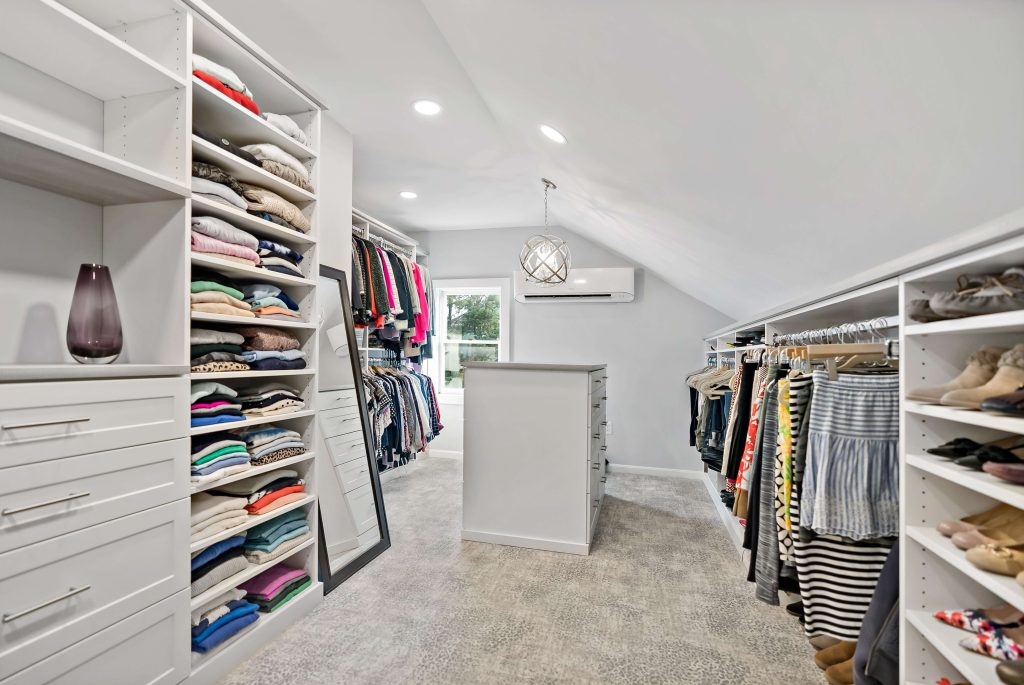
One of the most effective ways to tackle the issues related to small living spaces is to implement smart storage solutions. Multi-functional furniture can play a crucial role in this transformation. For instance, consider using ottomans that double as storage bins or selecting beds that come equipped with built-in drawers underneath. These clever designs allow residents to store extra linens, seasonal clothing, or even books out of sight, reducing clutter.
Another practical example is wall-mounted cabinetry that can hold everything from kitchenware to books. By elevating items off the floor, you create a more open environment, making spaces feel larger than they actually are. In addition, hang hooks or pegboards in entryways or kitchens to keep frequently used items organized and within easy reach, promoting efficiency.
Maximizing Vertical Space
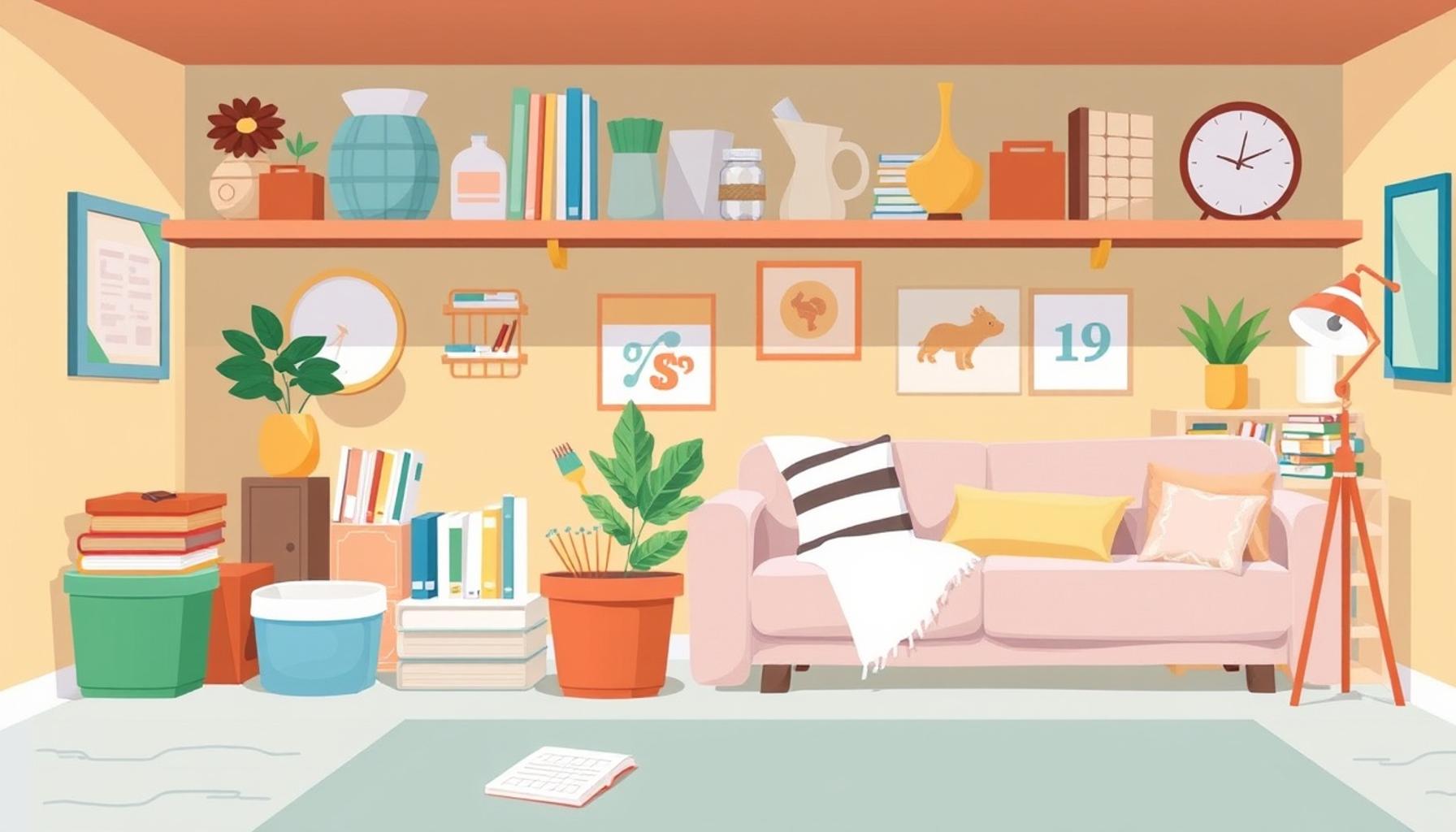
Utilizing vertical space is another vital strategy for maximizing the functionality of small living areas. When furniture and belongings spill over the available floor area, it can create a sense of chaos and congestion. Wall-mounted shelves, for example, provide not just storage but also serve as a decorative feature that imbues the walls with personality. You can display books, plants, or curated art collections that enhance visual appeal without sacrificing precious floor space.
Additionally, tall bookcases can draw the eye upwards, creating an illusion of height that can make a room feel less cramped. Incorporating mirrors into your design also contributes, reflecting light and space and enhancing airy vibes throughout a home.
Embracing Modular Designs
Another compelling approach towards effective space optimization is opting for modular designs. Furniture that can adapt and rearrange itself to meet changing needs is invaluable in a small space context. For example, sectional sofas can be configured differently to accommodate social gatherings or movie nights while offering storage capabilities within their sections. Similarly, collapsible dining tables can be expanded for hosting friends or folded away for everyday use, providing versatility without compromising style.
The Power of Minimalism
The philosophy of “less is more” embodies the spirit of minimalist living, encouraging individuals to declutter not just their physical spaces, but also their minds. By letting go of items that no longer serve a purpose or bring joy, homeowners can transform their areas into havens of tranquility. This approach enhances not only aesthetic appeal but also improves functionality, allowing for ease of movement and accessibility.
Moreover, embracing minimalism can lead to a renewed appreciation for surrounding environments. When the burden of excess is lifted, individuals often find that they become more engaged with their space and more creative in how they use it. As such, they may discover new ways to incorporate personal style through carefully selected decor that speaks to their identity, rather than merely filling spaces with items.
Conclusion
The journey to creating a harmonious, minimalist living environment is accessible through strategic planning and intentional choices. By delving into smart storage, utilizing vertical spaces effectively, and embracing modular design, anyone can elevate their small living space into a vibrant, functional oasis. Let these strategies guide your exploration into the world of minimalism and help shape a lifestyle that celebrates simplicity and organization.
Smart Storage Solutions
One of the most effective ways to tackle the issues related to small living spaces is to implement smart storage solutions. Multi-functional furniture can play a crucial role in this transformation. For instance, consider using ottomans that double as storage bins or choosing beds that come equipped with built-in drawers underneath. These clever designs allow residents to store extra linens, seasonal clothing, or even books out of sight, reducing clutter.
To further optimize space in a small apartment or house, explore the concept of utilizing every available nook. Think about under-stair storage, which can be transformed into small closets or shelves. This often-overlooked area can become a haven for shoes, sports equipment, or even a cozy reading nook. Additionally, using furniture with legs can create a sense of openness, allowing the floor to be visually unobstructed, which makes small areas seem larger.
Maximizing Vertical Space
Utilizing vertical space is another vital strategy for maximizing the functionality of small living areas. When furniture and belongings spill over the available floor area, they can create a sense of chaos and congestion. Hence, installing wall-mounted shelves can provide essential storage while serving as a decorative feature that imbues walls with personality. You can display books, plants, or curated art collections that enhance visual appeal without sacrificing precious floor space.
Moreover, opting for tall bookcases can draw the eye upwards, creating an illusion of height that can help make a room feel less cramped. Incorporating mirrors into your design not only reflects light but also enhances the perception of space, allowing natural light to move freely throughout your home. In a study conducted by the American Institute of Architects, spaces that embrace height and light through design elements result in an overall boost in mental well-being for residents, emphasizing the psychological benefits of effective spatial organization.
Embracing Modular Designs
Another compelling approach toward effective space optimization is opting for modular designs. Furniture that can adapt and rearrange itself to meet changing needs is invaluable in a small space context. For example, sectional sofas can be configured differently to accommodate social gatherings or movie nights while offering storage capabilities within their sections. Additionally, collapsible dining tables can expand for hosting friends or fold away for everyday use, providing versatility without compromising style.
By adopting these strategies, individuals not only enhance functionality in their living conditions but also foster a lifestyle that celebrates adaptability and creativity. The minimalist philosophy urges people to seek out these items that satisfy dual purposes, reducing the need for excess furniture and making space for what truly matters.
Conclusion
The journey to creating a harmonious, minimalist living environment is attainable through strategic planning and intentional choices. By delving into smart storage, utilizing vertical spaces effectively, and embracing modular design, anyone can elevate their small living space into a vibrant, functional oasis. Let these strategies guide your exploration into the world of minimalism and help shape a lifestyle that celebrates simplicity and organization.
| Category | Description |
|---|---|
| Multi-functional Furniture | Furniture pieces that serve multiple purposes, such as sofa beds and storage ottomans, help maximize usable space. |
| Space-Saving Storage Solutions | Utilizing vertical space with shelves and built-in cabinetry creates more storage without sacrificing floor area. |
| Decluttering Strategies | Regularly removing unnecessary items helps keep a space organized and open, enhancing the minimalistic aesthetic. |
| Transformative Wall Designs | Opting for foldable or expandable wall elements can convert a small area for different uses throughout the day. |
In minimalist environments, maximizing every inch of available space is paramount. Emphasizing multi-functional furniture offers practical solutions; for example, a coffee table can double as a dining area, and a fold-down desk reduces clutter when not in use. Exploring space-saving storage solutions such as built-in bookshelves or hanging units allows homeowners to utilize vertical surfaces effectively, decluttering floor areas. Another effective strategy involves adopting decluttering strategies—a conscious effort to minimize belongings can dramatically alter the perception and functionality of small living spaces.Finally, transformative wall designs can revolutionize how space is perceived, integrating movable components that adjust based on the needs of the moment. These elements not only enhance aesthetic appeal but also contribute to a more versatile living environment. Exploring these strategies further can lead to impactful changes in how small areas are utilized, promoting an efficient and stylish minimalist lifestyle.
Creative Zoning Techniques
In small environments, creative zoning techniques can effectively define spaces within a limited footprint. By establishing distinct areas for various functions, such as working, sleeping, and relaxing, individuals can enhance the usability of their home without sacrificing aesthetic appeal. One approach is the use of area rugs to visually separate spaces within a room. For example, a plush rug can delineate a cozy reading corner while a sleek design can anchor a workspace, creating an inviting ambiance.
Additionally, furniture placement plays a critical role in zoning. Arranging your sofa to face a television or a focal point can create a living area that feels inviting and warm. Meanwhile, a strategically placed bookshelf can serve as a divider between a living room and dining area, offering both privacy and storage. Depending on the desired layout, transforming open-concept areas into more defined spaces can evoke a sense of structure that enhances both productivity and relaxation.
Going Green with Vertical Gardens
Incorporating nature into small spaces can yield both aesthetic and health benefits. Vertical gardens or living walls allow residents to embrace greenery without consuming precious floor space. By installing wall-mounted planters, you can create an indoor oasis that improves air quality and adds vibrancy to your surroundings. According to a study by the University of Minnesota, greenery in indoor environments can reduce stress and increase overall happiness — a significant boon for small space dwellers often juggling multiple demands.
For those interested in growing their own herbs or vegetables, vertical garden systems that utilize hydroponic technology can be a remarkable addition. These systems maximize vertical space while providing fresh ingredients for cooking, making them both practical and appealing. Even small balcony areas can benefit from this concept, as hanging planters or wall-mounted herbs can create a mini-garden in urban settings.
Utilizing the Power of Color and Light
Another vital element in space optimization is the effective use of color and light. Light, especially natural light, can dramatically influence how spacious a room feels. Opting for sheer curtains enhances sunlight entry while maintaining privacy, allowing rooms to feel airy. Additionally, a light color palette can reflect light and contribute to a more open feeling. Soft pastels and whites are popular choices, but adding accents of bold colors in decor items can lend character without overwhelming a compact space.
Strategically placed mirrors can also amplify light and create depth. By reflecting windows or decorative focal points, mirrors can make a space appear larger than it is. Furthermore, using a variety of lighting sources, such as floor lamps, wall sconces, and under-cabinet lights, can help create layers of illumination that enhance the experience of space. A well-lit room feels more inviting and flexible, crucial aspects when every square foot counts in a minimalist environment.
Incorporating Foldable and Portable Items
The trend of foldable and portable items is gaining momentum for good reason—providing functionality without being cumbersome. Compact chairs that stack or fold can easily be tucked away when not in use, allowing a small living area to transform into an open space for gatherings or activities. Similarly, collapsible desks can adapt to your workflow, providing a workspace that can shrink during downtime. Many companies are now producing stylish, foldable furniture that blends seamlessly within your decor, proving that practicality does not require sacrificing aesthetics.
When tailored thoughtfully, these strategies for maximizing small spaces serve as an invitation to reimagine living environments that are both functional and expressive of one’s personal style. By embracing zoning, greenery, and innovative design solutions, individuals can cultivate a sense of tranquility while navigating the challenges of minimalist living.
Conclusion
In the pursuit of maximizing small spaces, space optimization strategies are not merely tricks, but thoughtful approaches that redefine how we interact with our environments. From employing creative zoning techniques to establishing functional areas, to embracing the rejuvenating qualities of vertical gardens, and harnessing the transformative power of color and light, each method enhances the functionality and aesthetic appeal of compact living spaces.
Additionally, incorporating foldable and portable items into design choices provides unparalleled flexibility, enabling spaces to adapt to various activities and moods without compromising on style. Each of these elements combined creates a holistic approach that not only honors the minimalist ethos but breeds creativity and comfort within limitations.
As urban living spaces become increasingly constrained, understanding and implementing these strategies can empower residents to cultivate serene and fulfilling environments. By thoughtfully considering arrangements, decor, and the integration of natural elements, small space dwellers can transform their homes into personal sanctuaries. The future of living in minimalist settings lies in our ability to innovate and adapt, ensuring that every inch is maximized to reflect both purpose and identity.
In conclusion, whether you’re a seasoned minimalist or just beginning your journey, exploring these space optimization strategies can greatly enhance your quality of life in any setting, making your small space not just livable, but truly enjoyable. Embrace the challenge and reinvent the way you think about space – you might be surprised by the possibilities that await.
Related posts:
Maximizing Small Spaces: Innovative Storage Solutions for Minimalist Living
Functional Organization: How Space Optimization Can Transform Your Daily Routine
Creating Functionality Zones: How to Define Spaces to Increase Efficiency in Minimalist Environments
The Impact of Natural Light on Space Perception: Creating Open and Organized Environments
Technology and Minimalism: Apps and Tools to Maximize Your Space and Productivity

Linda Carter is a writer and organization expert specializing in minimalism and personal organization. With extensive experience helping individuals create clutter-free, functional spaces and adopt mindful habits, Linda shares her knowledge on our platform. Her goal is to empower readers with practical advice and strategies to simplify their lives, stay organized, and achieve a sense of calm and balance in their daily routines.