Multifunctional Spaces: How to Create Versatile Environments with Space Optimization
Creating Dynamic Environments
In an era marked by rapid urbanization and dwindling living spaces, the essential role of multifunctional spaces becomes increasingly evident. These versatile environments are designed to accommodate a myriad of activities, thus maximizing the utility of every square foot. Whether residing in a cozy apartment in Manhattan or managing a small office in Austin, mastering the art of space optimization can profoundly enhance your daily experience.
As cities continue to expand and population densities rise, the justification for embracing multifunctionality comes into sharper focus. Here are some compelling reasons to consider:
- Efficiency: Transforming a single area to serve multiple functions—such as a living room that also serves as a workspace—can significantly enhance productivity. For instance, using a fold-out desk can create an instant office corner without sacrificing living space.
- Cost-Effectiveness: Multifunctional spaces minimize the necessity for extra rooms or larger areas, ultimately leading to reduced rent or mortgage payments. This is especially advantageous for those living in high-cost areas like San Francisco or New York City.
- Flexibility: Life is unpredictable, and multifunctional spaces can adapt to changes in personal or professional needs. For example, a guest room could double as a home gym, and a dining area could transform into a workspace during the day.
With the right strategies, even the smallest studio can become a functional haven. Here are several key features to keep in mind while designing your space:
- Transformable Furniture: The use of foldable tables, Murphy beds, and modular sofas can drastically change the functionality of a room. For instance, a sofa bed can transform a living room into a guest bedroom at a moment’s notice.
- Smart Storage Solutions: To truly maximize a space, consider innovations in storage—like using vertical shelving, under-bed compartments, or ottomans that open up for storage. These strategies allow you to keep essentials organized while minimizing clutter.
- Zoning Techniques: Defining different areas within a single space can be achieved through smart layouts, diverse color palettes, or creative partitions. A large room can be visually divided into distinct zones for relaxation, work, and entertainment with the help of rugs or screens.
Ultimately, delving into the art of space optimization reveals endless possibilities. By adopting these strategies, you create a harmonious balance of form and function, ensuring your environment is not only aesthetically pleasing but also meets the complex demands of modern life. The journey toward a more versatile space goes beyond mere practicality; it opens doors to a lifestyle that encourages creativity and efficiency, further enriching your everyday experiences.
Innovative Approach to Space Utilization
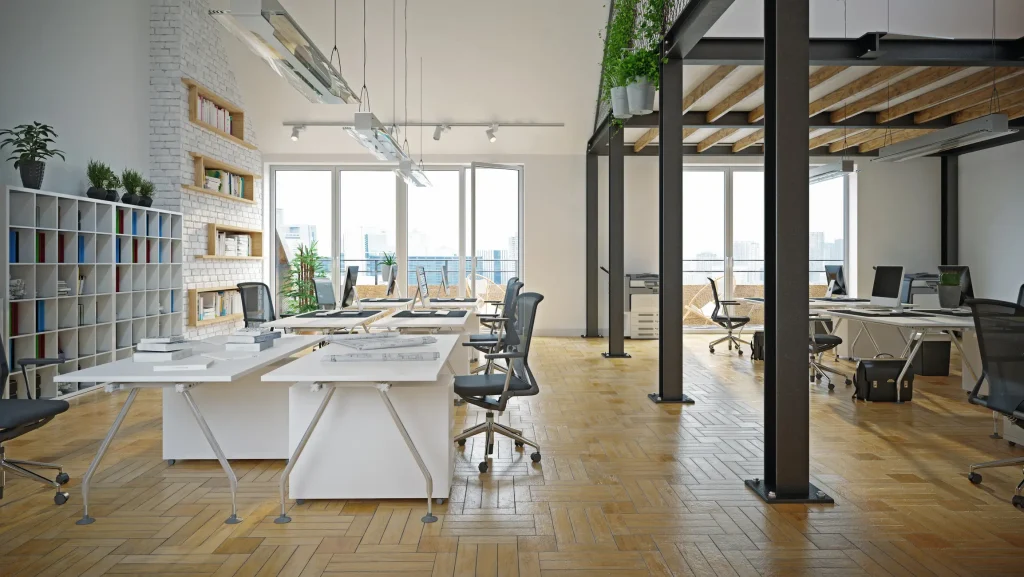
Creating multifunctional spaces requires a shift in the way we perceive our surroundings. In urban settings where square footage can come at a premium, rethinking the layout of our homes and workplaces not only enhances living conditions but also fosters a sense of well-being and productivity. The following strategies can help you turn ordinary spaces into extraordinary multifunctional environments, making the most of every inch available.
1. Integrate Dual-Purpose Furniture
Transformable furniture is a central element in any multifunctional design. Consider the advantages of items like extendable dining tables or coffee tables that can rise to dining height. These smart solutions enable you to accommodate guests while still retaining the flexibility for everyday use. For instance:
- Convertible sofas: A sofa that folds into a bed can easily transition from a comfortable seating area to sleeping space for guests.
- Folding chairs: Stackable or folding chairs can be stored quickly and used for additional seating during gatherings.
- Drop-leaf tables: These can be expanded for meals and then compacted to save space when not in use.
The key lies in selecting pieces that align with your lifestyle while ensuring they fit seamlessly into your space, thus eliminating clutter while maximizing functionality.
2. Utilize Vertical Space
Another vital aspect of space optimization is the effective use of vertical space. Many overlook the vertical dimension of their environments; however, adding height can dramatically alter a room’s dynamics. Using wall-mounted shelves or tall bookcases not only provides ample storage but also draws the eye upward, making spaces feel larger. Here are some techniques to maximize vertical real estate:
- High Cabinets: Installing cabinets that reach the ceiling can offer vast storage solutions for seasonal items or rarely used belongings.
- Wall Art and Decor: Using wall art at varying heights creates visual interest while enhancing aesthetic appeal.
- Hanging Planters: Elevating greenery through hanging planters can add a touch of nature without consuming valuable floor space.
By incorporating vertical elements into your space planning, you can create a sense of depth and openness while still addressing storage needs.
3. Smart Layout Design
A well-planned layout can be transformative. Strategic zoning techniques allow for the separation of different functional areas, providing both privacy and fluidity within a multifunctional space. Different zones can be created not just with physical partitions, but also through color schemes, furniture arrangements, and accessory choices. Consider these elements when designing your space:
- Area Rugs: Use rugs to define spaces clearly—lay a soft rug under a living area to delineate it from a workspace.
- Color Palette: Employ contrasting colors in different zones to create visual separation while maintaining cohesive flow.
- Furniture Placement: Arrange furniture to foster interaction in social areas while leaving workspaces undisturbed.
The ability to create clear zones within a multifunctional space not only enhances functionality but also caters to the varying needs of an individual or family.
In essence, the journey towards designing multifunctional spaces involves a combination of creativity, strategic thinking, and a willingness to adapt. By employing these practices, you can create environments that are not just livable but also deeply enriching. Embrace the change, and elevate your surroundings into a versatile haven that reflects the complexities of modern life.
Exploring Space Optimization Techniques
When it comes to creating multifunctional spaces, space optimization is key. This involves not only rearranging furniture but also selecting pieces that offer dual functionality. For example, consider a sofa that transforms into a bed. Such multifunctional furniture allows homeowners to maximize their limited space and accommodate guests without sacrificing aesthetic appeal. Additionally, investing in furniture with built-in storage, such as ottomans or coffee tables, helps keep clutter at bay while enhancing the space’s usability.Another effective strategy for achieving versatile environments is utilizing vertical space. Wall-mounted shelves, pegboards, and hanging organizers can significantly enhance storage without encroaching on floor space. With the right planning, even the smallest areas can serve multiple functions—from a home office that doubles as a guest room to a dining area that also serves as a playful space for children.Incorporating convertible dividers can also play a pivotal role in multifunctional spaces. These dividers allow residents to reconfigure a space based on their needs. For instance, a room can transform from an open living area to a more intimate atmosphere by simply adding or retracting a sliding partition. This flexibility empowers homeowners to adjust their environments to suit various activities, from hosting gatherings to enjoying quiet evenings.Emphasizing natural light through strategic window placements and reflective surfaces is another crucial element. Enhanced brightness not only makes a space feel larger but also promotes a positive atmosphere. By selecting light colors for walls and furniture, spaces can appear airy and inviting, thus enhancing the experience of multifunctionality.Implementing these innovative strategies will lead to unique, adaptable, and well-organized living areas that cater to the diverse needs of modern households. The potential for creating multifunctional solutions is limitless with the right approach and creativity.
| Category 1 | Category 2 |
|---|---|
| Multifunctional Furniture | Innovative designs like sofa beds and storage ottomans optimize space. |
| Vertical Space Utilization | Shelving and wall organizers free up floor area for other uses. |
By blending creativity with intelligent design, it’s possible to create functional spaces that adapt to the dynamic needs of your lifestyle, inspiring you to make the most of every square foot in your home.
Embracing Technology and Sustainability
As we delve deeper into the realm of multifunctional spaces, it is essential to recognize the role of technology and sustainable practices in the optimization process. The integration of smart technology not only provides functionality, but can also enhance the user experience within these versatile environments.
1. Smart Home Integration
At the forefront of modern living are intelligent home systems designed to streamline daily tasks. Smart products enable homeowners to automate routines and enhance space functionality. Some notable innovations include:
- Smart Lighting: Control your home’s ambiance with app-controlled lighting that can adapt to various activities, such as brightening for work or dimming for relaxation.
- Multi-Use Appliances: Devices like combination ovens that can bake, broil, and air fry save both space and energy, allowing users to optimize their cooking experience.
- Smart Furniture: Consider items like a desk with built-in charging ports or a smart bed that monitors sleep patterns, marrying technology with convenience to create a more efficient workspace.
By embracing smart technologies, homeowners can effortlessly merge functionality with style, creating unique spaces that serve multiple purposes while enhancing daily life.
2. Sustainable Practices
In the quest for space optimization, sustainability plays a vital role in not only conserving resources but also promoting healthy living environments. Here are ways to incorporate sustainable solutions into multifunctional spaces:
- Energy-Efficient Materials: Invest in energy-efficient windows, insulation, and appliances that cut down electricity use and contribute to eco-friendly living.
- Biophilic Design: Incorporate natural elements, such as plants or natural light, into your space to enhance well-being and create a calming environment.
- Recycled and Upcycled Furniture: Search for vintage or upcycled furniture that tells a story and minimizes the carbon footprint associated with manufacturing new items.
By addressing sustainability, multifaceted spaces not only become functional but also promote a lifestyle that values environmental consciousness.
3. Flexibility for Future Needs
As our lives evolve, so too must our spaces. Incorporating flexibility into the design of a multifunctional space is crucial to accommodate changing needs. Consider the following elements:
- Modular Designs: Modular furniture allows for easy reconfiguration, making it possible to adapt the space for different occasions, such as turning a home office into a guest room or a play area.
- Movable Partitions: Utilize mobile walls or room dividers that can be adjusted according to your needs, providing the ability to create private spaces in open floor plans.
- Adaptable Workspaces: Design workspaces that can be easily transformed into leisure areas, ensuring that you can quickly shift gears from productivity to relaxation.
By planning for flexibility, homeowners can create living and working environments that evolve in tandem with their lifestyles, thus making the most of every space.
Ultimately, the journey of creating multipurpose environments hinges on the confluence of creativity, technology, and sustainability. These elements work synergistically to foster dynamic living spaces that cater to the diverse demands of modern life, promoting a more enriching atmosphere for all who dwell within.
Conclusion
In conclusion, the evolution of multifunctional spaces highlights an innovative approach to modern living that prioritizes versatility, sustainability, and advanced technology. As urban dwellers face increasingly limited square footage, the focus on space optimization becomes paramount. By harnessing smart home technology, homeowners can streamline their daily routines, creating environments that cater efficiently to their multitasking needs.
Moreover, integrating sustainable practices into these designs not only benefits the planet but also enhances the overall quality of life. Utilizing energy-efficient materials, incorporating biophilic elements, and investing in recycled or upcycled furniture contribute to healthier living environments while reducing ecological impact. This commitment to sustainability is particularly relevant as more individuals and families seek to align their lifestyles with eco-conscious values.
Finally, a key component in designing these adaptable spaces is ensuring their flexibility to accommodate changing life circumstances. Incorporating modular furniture, movable partitions, and adaptable workspaces allows homeowners to seamlessly transition from work-focused to leisure-oriented settings, ensuring that their homes evolve alongside their lifestyles.
The journey toward creating multifunctional spaces is not merely about aesthetics or efficiency; it’s about fostering environments that invigorate and enrich the lives of their inhabitants. As we continue to explore innovative solutions in space optimization, we pave the way for a future where every square foot is utilized to its fullest potential, creating welcoming homes that adapt to the multifaceted demands of our lives.
Related posts:
Multifunctional Furniture: The Key to Organization and Minimalism in Compact Spaces
Creating Functionality Zones: How to Define Spaces to Increase Efficiency in Minimalist Environments
Vertical Storage: How to Use Height to Organize Your Space Efficiently
The Impact of Natural Light on Space Perception: Creating Open and Organized Environments
Intelligent Design: Creative Storage Solutions for a Minimalist Lifestyle

Linda Carter is a writer and organization expert specializing in minimalism and personal organization. With extensive experience helping individuals create clutter-free, functional spaces and adopt mindful habits, Linda shares her knowledge on our platform. Her goal is to empower readers with practical advice and strategies to simplify their lives, stay organized, and achieve a sense of calm and balance in their daily routines.