Nomadic Lifestyles: How Space Optimization is Essential for Small Apartments and Vans
The Allure of Nomadic Living
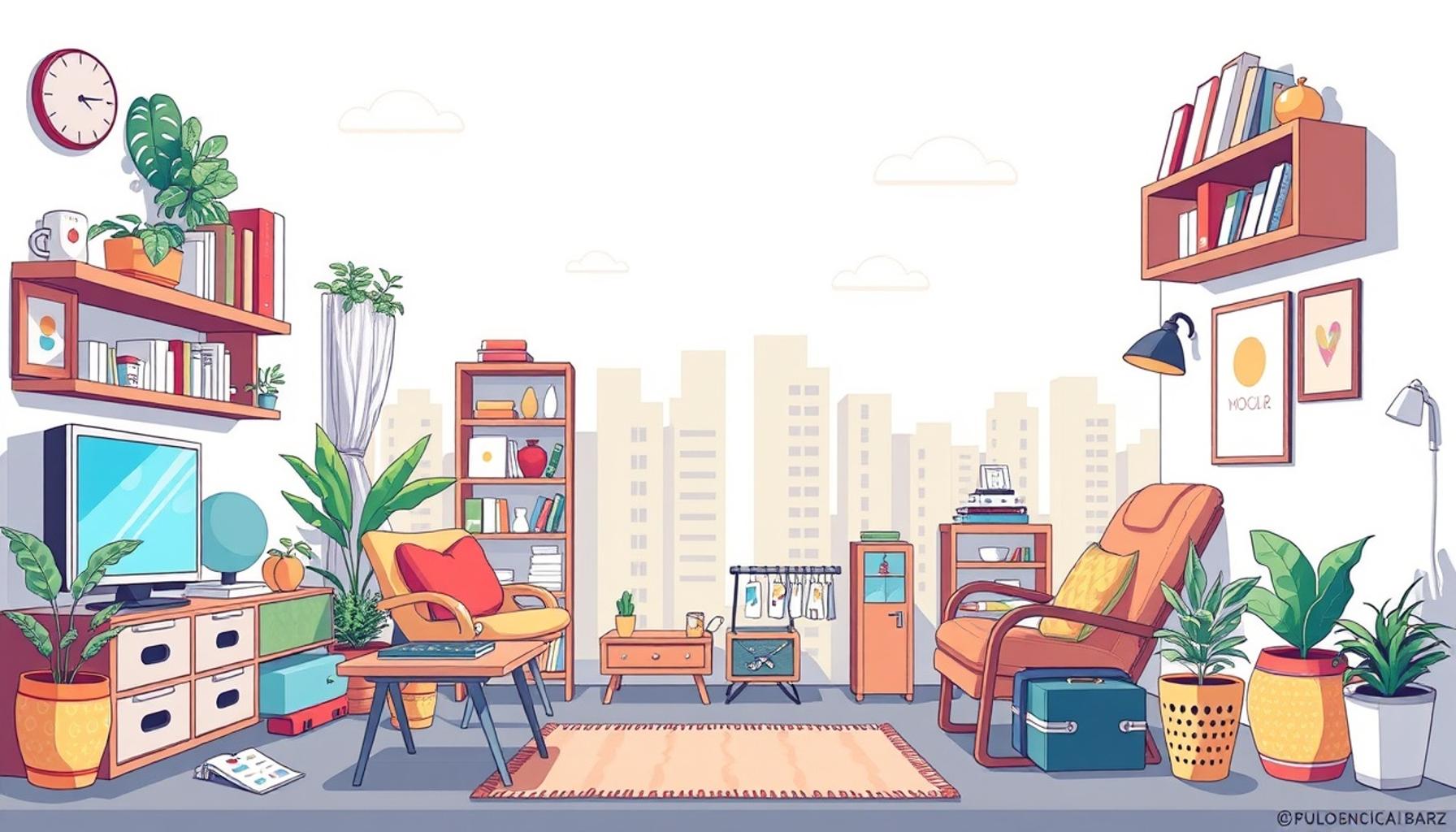
In an age where mobility meets minimalism, the allure of nomadic living captivates many. As urban spaces grow ever more congested, and the call for adventure intensifies, individuals are increasingly drawn to small apartments and vans as viable living options. This lifestyle, rich in freedom and simplicity, hinges heavily on the art of space optimization.
Urban Apartments: The New Trend
Many city dwellers now live in tiny studios or one-bedroom apartments, where space is at a premium. According to a 2021 report by the National Multifamily Housing Council, about one-third of all apartment households in the U.S. are in small units, drawing individuals who prioritize location and affordability. For instance, a typical micro-apartment in bustling cities like New York or San Francisco averages between 200 to 400 square feet. These compact environments challenge residents to rethink their living arrangements and lifestyle choices.
The Rise of Van Life
The rise of the tiny home movement has led to a burgeoning community of van-life enthusiasts, where individuals convert vehicles into livable homes. With limited square footage, these mobile dwellings require occupants to creatively maximize every inch. Features such as foldable furniture, rooftop shelves, and built-in storage compartments serve dual purposes, allowing for both comfort and functionality. Platforms like Instagram and YouTube have popularized this lifestyle, showcasing individuals who successfully balance adventure with living on the road. As of 2023, the #vanlife hashtag has garnered millions of posts, evidencing the growing interest in this nomadic way of life.
Embracing Minimalism
With the decluttering movement gaining momentum, more individuals are embracing the idea of living with less. Not just a trend, minimalism encourages people to prioritize quality over quantity in their possessions. According to a survey conducted by The Minimalists, about 80% of respondents reported feeling less stressed after decluttering their homes. This minimalist approach resonates well with those living in small apartments or vans, as it encourages efficient space management and quick decision-making regarding what to keep or discard.
The Importance of Space Management
For anyone venturing into nomadic living, effective space management becomes crucial. It allows for efficient storage, multifunctional furniture, and clever design solutions. For instance, a Murphy bed can convert a living area into a sleeping space at night while freeing up floor space during the day. Meanwhile, utilizing vertical storage solutions, such as stacked cabinets or wall-mounted shelves, can help keep the floor uncluttered.
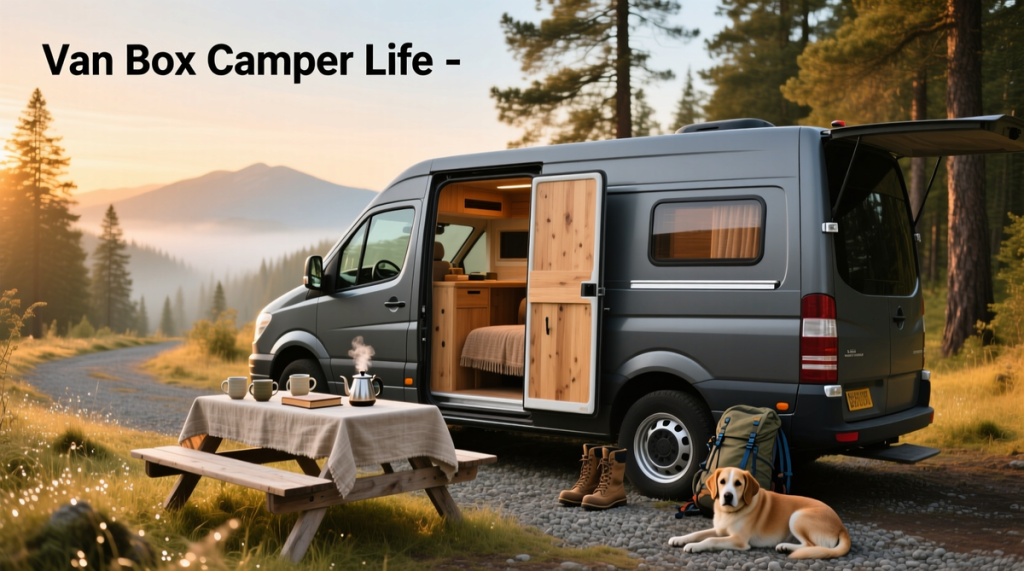
The goal of these initiatives is to cultivate a living space that is not only functional but also inviting and reflective of the occupant’s personality. Incorporating personal touches, such as photographs or travel souvenirs, can create a sense of home even in the most compact of environments.
Discovering Space Optimization Principles
This article will explore the fascinating principles behind space optimization, blending innovative design solutions with practical tips for anyone looking to adapt to a nomadic lifestyle. From maximizing your living area in a small apartment to efficiently organizing your van, discover how thoughtful planning can transform compact spaces into comfortable sanctuaries. Whether you’re parked on a scenic highway or nestled in a city skyline, understanding how to optimize your living environment can significantly enhance your day-to-day experience.
Maximizing Every Square Foot
At the core of both small apartments and van living lies the need for effective space optimization. The ability to create a sense of home within limited dimensions is an art that many are now mastering. As real estate prices soar in urban areas, individuals are compelled to make the most of every square foot. With the right strategies, compact dwellings can become not just livable but also enjoyable.
Intentional Design Choices
When it comes to space optimization, intentional design choices can make a world of difference. Multifunctional furniture is a key player in this process. Items like sofas that convert into beds or coffee tables with hidden storage allow residents to adapt their space as needed. For example:
- Convertible sofas: Provide seating during the day and transform into a bed at night.
- Ottomans with storage: Offer a place to rest your feet while doubling as a storage solution for blankets or games.
- Wall-mounted desks: Enable a workspace to emerge from the wall, minimizing the footprint of home office equipment.
These design elements cater not only to practical needs but also to aesthetic desires. The right furniture can create a cohesive look that helps the space feel more open and inviting, rather than cramped. Furthermore, utilizing lighter colors for furnishings and walls can enhance the perception of space.
The Power of Vertical Storage
In small apartments, as well as in vans, floor space often becomes limited quickly. Thus, employing vertical storage solutions becomes essential in effective space management. Utilizing walls for storage not only frees up floor space but also draws the eye upward, which can make interiors feel larger. Consider the following vertical storage options:
- Over-the-door organizers: Perfect for keeping clutter at bay in tight spaces.
- Wall-mounted shelves: Allow for the display of books, plants, or decorative items without sacrificing space.
- Hanging racks: Efficiently store kitchen utensils or bathroom essentials while saving counter space.
In many urban apartments, apartment dwellers have turned to these vertical solutions, combining them with a minimalist ethos to breathe life into their smaller environments.
Storage Solutions on Wheels
When it comes to van living, the challenge extends well beyond what is found in a traditional home. Every inch matters in these mobile homes, which makes innovative storage solutions imperative. Imagine sliding drawers beneath a bed or utilizing the space under the sink for additional compartments. The incorporation of modular furniture can offer unique advantages, allowing residents to reconfigure their setups as needed.
The design of a van must take into account not only aesthetic appeal but functional limitations. This can lead to remarkable creativity in design, encouraging enthusiasts to devise solutions that are both unique and pragmatic.
Ultimately, space optimization is about more than simply fitting belongings into an area; it’s about creating a lifestyle that embraces both mobility and comfort. As we dive deeper into various strategies, we’ll uncover how thoughtful planning can redefine the essence of living spaces, offering inspiration to those eager to embrace the nomadic lifestyle.
Design Strategies for Efficient Space Utilization
In the realm of nomadic lifestyles, mastering space optimization becomes essential, especially for those living in small apartments or vans. One impactful design strategy involves multifunctional furniture. Convertible sofas, Murphy beds, and expandable dining tables enable individuals to transform their living environments based on their needs throughout the day. This flexibility not only enhances comfort but also maximizes utility in limited square footage.
Integrated Storage Solutions
Another crucial aspect of space optimization is the implementation of integrated storage solutions. Utilizing vertical space with wall-mounted shelves or built-in cabinets can free up floor space and organize belongings effectively. Items can be neatly tucked away, while still remaining easily accessible, reducing clutter and creating an inviting atmosphere.
Personalized Aesthetic and Functionality
Introducing an aesthetic element to space optimization is also vital for enhancing lived experience. Customizing the interior with colors, textures, and lighting not only reflects personal style but can create a sense of openness. For example, using lighter color palettes can amplify natural light, making a small space feel larger.
| Category 1 | Category 2 |
|---|---|
| Multifunctional Furniture | Flexible living that adjusts to daily needs. |
| Integrated Storage Solutions | Maximized organization and reduced clutter. |
Outdoor Considerations
For those in vans, the concept of outdoor living can add another dimension to space optimization. Incorporating outdoor gear storage, such as bike racks or portable kitchens, can extend the living space beyond the confines of the vehicle. This not only promotes a connection with nature but also enhances the overall lifestyle experience.
Ultimately, embracing innovative design techniques that focus on space optimization allows for a fluid and dynamic living environment. The combination of aesthetic, functionality, and clever solutions supports a nourishing nomadic lifestyle, tailored to individual preferences and adventures.
Innovative Uses of Space
As the trend of nomadic lifestyles continues to grow, innovative uses of space are becoming increasingly vital for those living in small apartments and vans. Optimizing space requires a shift in how we perceive our living environments, fostering creativity and resourcefulness.
Creative Use of Nooks and Crannies
Every corner of a small apartment or van can serve a purpose. Embracing the idea of “nooks and crannies” can lead to remarkable functionality. For instance:
- Under-stair storage: In apartments with staircases, the area beneath can transform into mini-offices or storage for seasonal items.
- Overhead compartments: Vans can utilize above-the-head space for storing less-frequently-used gear, keeping the living area tidy.
- Fold-out tables: These can be mounted on walls, appearing only when dining or working, then folding away to reclaim space.
These ideas allow individuals to harness otherwise wasted areas, enhancing both the utility and comfort of their homes.
Embracing Minimalism and Multi-Purpose Areas
Minimalism, a crucial concept in the realm of space optimization, encourages individuals to limit belongings to essentials. This practice is especially relevant for those living nomadically. When the mantra “less is more” is applied, space can feel larger and more serene. In small apartments, this might manifest through:
- Streamlined décor: Less clutter allows for greater focus on the few pieces one truly values, creating a cleaner aesthetic.
- Shared living spaces: In multi-room apartments, it’s common to convert underutilized areas like hallways or landing spaces into collaborative workspaces.
Similarly, in van living, minimizing belongings can lead to functional setups, where each item serves a dual purpose. For instance, a simple storage crate can serve as a seat, a table, or a storage container. This flexibility fosters a more adaptable lifestyle, which is paramount for those frequently on the move.
Smart Technology Integration
With the digital age at our fingertips, the integration of smart technology enhances space optimization efforts for both small apartments and vans. Smart devices provide comfort and convenience, becoming essential tools in the nomadic lifestyle. Here are some areas where technology plays a pivotal role:
- Smart thermostats: These can learn the patterns of the occupant, optimizing energy usage without taking up physical space.
- Compact home automation systems: Allow users to control lights, security systems, and appliances via smartphone, removing the need for bulky controls or devices.
- Compact wireless speakers: Deliver quality sound without consuming counter or shelf space, enhancing entertainment options in tightly packed environments.
This incorporation of technology not only maximizes space but also elevates the quality of life for those embracing a nomadic journey.
Outdoor Extensions
For van dwellers and apartment residents alike, utilizing outdoor space can significantly enhance living conditions. The burgeoning trend of “outdoor rooms” allows residents to make the most of their surroundings. For apartment dwellers, balconies can be transformed into:
- Vertical gardens: A combination of pots and wall-mounted planters can create lush, green spaces that serve as beautiful retreats.
- Foldable furniture: Compact and portable furniture can allow for dining or lounging, maximizing the functionality of a small outdoor area.
In a van, outdoor setups can be expanded with simple additions like awnings or compact camp furniture, turning a single vehicle into a fully functional living environment. This ability to expand one’s living space into the outdoors is a vital component of the nomadic lifestyle, effectively enhancing the experience and comfort of compact living.
Conclusion
In a world where urban living space is increasingly limited, embracing nomadic lifestyles has spurred a remarkable evolution in the way we think about and utilize our environments. Whether it’s a small apartment in a bustling city or a compact van traversing the open road, the principles of space optimization have become essential for enhancing comfort and functionality.
As we explored, innovative techniques such as creative use of previously underutilized nooks, the embrace of minimalism, and the integration of smart technology play pivotal roles in transforming small areas into livable sanctuaries. Each clever solution not only maximizes available space but also contributes to a harmonious, clutter-free lifestyle that nurtures well-being. The rise of outdoor extensions further exemplifies how expanding our living areas beyond traditional confines can enhance our experiences and foster a deeper connection with our surroundings.
As more individuals gravitate toward flexible living solutions, understanding the intricacies of space optimization will be crucial for creating enjoyable and practical homes. Whether piloting a van through picturesque landscapes or residing in a chic apartment downtown, the lessons of adaptability, intentional living, and continuous innovation will ultimately guide us to discover new dimensions in the art of comfortable living. Indeed, the future of nomadic lifestyles beckons an exciting frontier, where the possibilities for optimizing our spaces are only bound by our imagination.
Related posts:
Functional Organization: How Space Optimization Can Transform Your Daily Routine
The Art of Detachment: Selection and Organization Techniques for a Minimalist Home
Multifunctional Furniture: The Key to a Minimalist and Organized Lifestyle
Creating Functionality Zones: How to Define Spaces to Increase Efficiency in Minimalist Environments
Maximizing Small Spaces: Space Optimization Strategies for Minimalist Environments

Linda Carter is a writer and organization expert specializing in minimalism and personal organization. With extensive experience helping individuals create clutter-free, functional spaces and adopt mindful habits, Linda shares her knowledge on our platform. Her goal is to empower readers with practical advice and strategies to simplify their lives, stay organized, and achieve a sense of calm and balance in their daily routines.