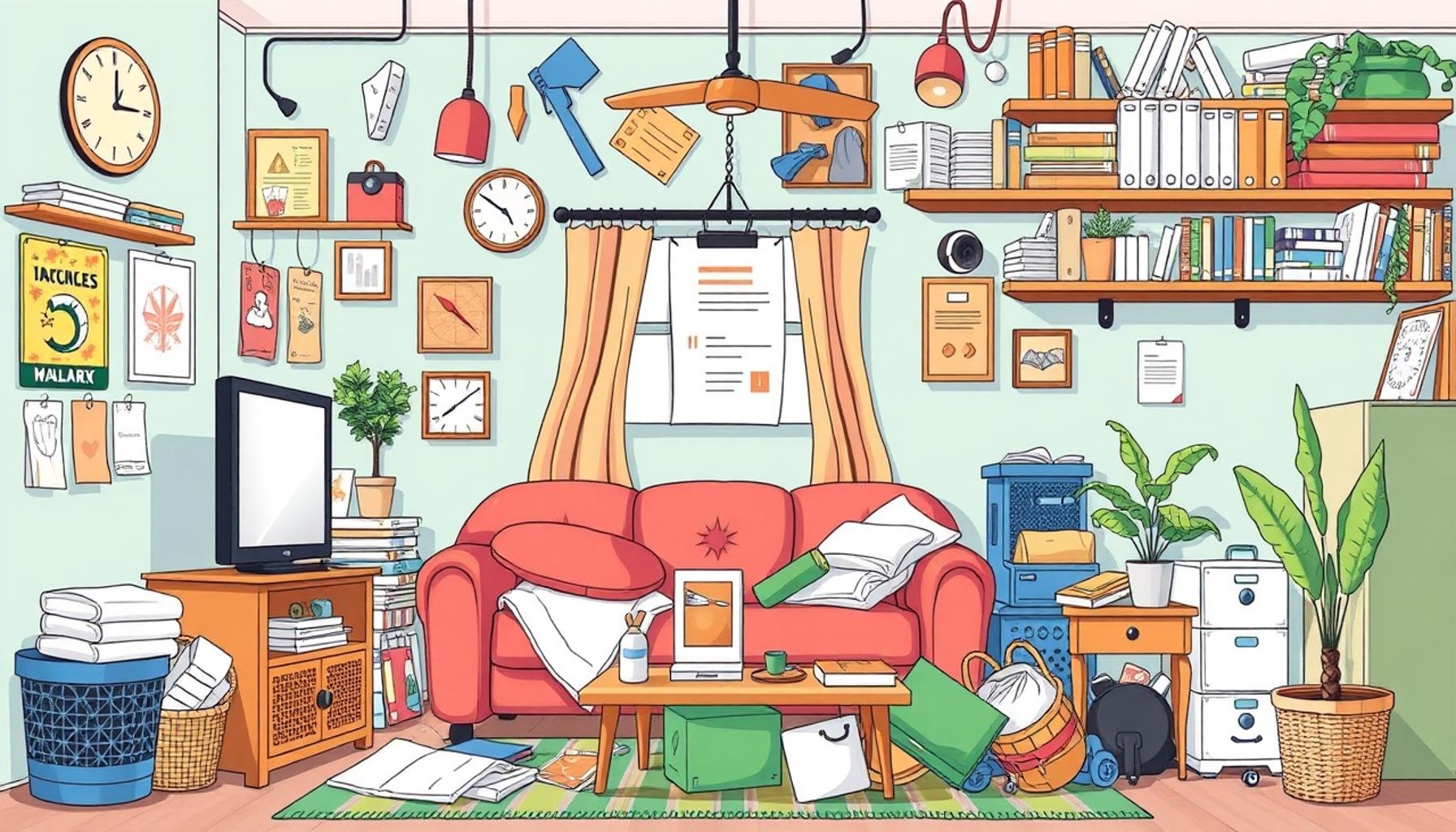
The Art of Letting Go: How to Create a More Functional Space Through Decluttering

Embracing Minimalism for a Maximum Impact
In a world overflowing with possessions, the concept of decluttering may seem daunting. Yet, letting go of the unnecessary can open doors to a more functional and serene living space. Whether it’s the chaos of a crowded garage or the disarray of a cluttered kitchen, transformation is possible with the right mindset and strategies.
Consider the following benefits of embracing decluttering:
- Improved Mental Clarity: A tidy space can reduce stress and enhance focus. Studies have shown that visual clutter can overwhelm the brain, leading to anxiety. Decluttering helps create a calm environment conducive to productivity and mindfulness.
- Enhanced Productivity: Fewer distractions help you accomplish tasks more efficiently. Research indicates that individuals in organized environments tend to perform better at work and home, allowing them to meet deadlines and achieve personal goals with greater ease.
- Increased Space: Create room for activities you enjoy by removing what you don’t need. Imagine converting a cluttered room into a peaceful reading nook or a yoga space. By thoughtfully removing unused items, you can redefine the functionality of your living areas.
Many Americans experience both emotional and physical weight from their belongings, often attaching memories or perceived value to items long forgotten. This emotional connection can make the process of letting go particularly challenging. However, the journey to a functional space begins with acknowledging what truly matters. By reassessing your possessions, you can prioritize items that genuinely enrich your life. For instance, a tennis racket that hasn’t been used in years may occupy valuable space that could be better utilized for something that reflects your current passions.
Are you ready to dive into the art of letting go? The first step is to implement practical strategies. Start by setting aside a dedicated time for decluttering—perhaps a Saturday morning or an afternoon during the week. Tackle one room at a time and categorize items into sections: keep, donate, recycle, and discard. This system not only brings order to chaos but also offers a clear visual representation of the progress you are making.
As you navigate this process, remember to ask yourself critical questions: Does this item serve a purpose? Does it bring me joy? If the answer is no, it may be time to consider parting with it. Embrace the thought-provoking insights that arise during this journey; you may discover patterns in what you hold onto, potentially leading to deeper self-reflection and personal growth.
Discover how the act of decluttering can lead to a more functional and joyful living space. By committing to this transformative practice, you not only create a serene environment but also pave the way for new experiences and opportunities in your life. Embrace the idea that less truly can be more, and enjoy the peace that comes with a minimalist approach to living.
Strategies for Successful Decluttering
The journey toward a decluttered and functional space requires a strategic approach. To effectively part with what no longer serves you, it’s essential to create a structured plan. Adopting a systematic method not only simplifies the process but also helps you stay motivated throughout your decluttering journey.
One of the most popular decluttering techniques is the KonMari Method, developed by organizing consultant Marie Kondo. This method encourages you to keep only those items that “spark joy.” As you hold each item in your hands, ask yourself whether it creates a positive feeling. If the answer is no, it may be time to thank it for its service and let it go. This emotional detachment can prove cathartic and aids in the overall decluttering process.
Here are some practical steps to consider as you embark on your decluttering endeavor:
- Establish a Timeline: Decide on a timeline that fits your schedule. Whether it’s dedicating 15 minutes a day or blocking out entire weekends, having a clear schedule can reduce overwhelm.
- Set Goals: Define specific goals for each session. For instance, aim to declutter a specific area or a certain number of items. Focused goals can enhance productivity.
- Utilize the Four-Box Method: Similar to categorizing items into sections, label four boxes as Keep, Donate, Recycle, and Trash. This will help you visually organize what stays and what goes.
- Limit Your Time: In each decluttering session, set a timer for 30-60 minutes. This can keep you energized and committed to completing the task without succumbing to fatigue or distraction.
- Seek Help: Sometimes, a second pair of eyes can provide valuable perspective. Consider inviting a friend or family member to assist with your decluttering efforts, or even enlist a professional organizer for guidance.
As you implement these strategies, it’s important to remember that decluttering is a process that may evoke mixed feelings. You might find yourself reminiscing about the past or contemplating the expenditure of some items. It’s crucial to acknowledge these emotions but not allow them to derail your progress. Consider keeping a journal to track your feelings during the process and reflect on the lessons learned through letting go.
Furthermore, remain aware of the space you are creating for yourself. With each item you let go, you not only increase physical space but also pave the way for a mentally clearer environment. This transformation can enhance creativity, improve focus, and even foster a greater appreciation for the items that remain in your home.
Ultimately, the art of letting go is about more than just clearing out physical space; it’s an opportunity to reshape your life and create an environment that aligns with your values and aspirations. Prepare yourself for this transformative journey as you discover the peace that comes with a more functional, decluttered living space.
In exploring The Art of Letting Go: How to Create a More Functional Space Through Decluttering, we delve deeper into the psychological and physical benefits of embracing minimalism. When you declutter, you are not merely clearing out the physical items from your space; you are actively creating a tranquil environment that fosters creativity and focus. Research shows that a tidy space can enhance productivity, leading individuals to feel less overwhelmed and more in control.Consider the idea of emotional attachment: many struggle to part with belongings due to nostalgia or sentiment. However, understanding the difference between sentimental value and actual utility is key. By applying the principle of the 80/20 rule, where 20% of your belongings are responsible for 80% of your usage, you can gain perspective on what truly serves you. Moreover, decluttering can significantly impact your well-being. A more organized space reduces stress levels, allowing for better mental clarity. Additionally, the process of letting go can help individuals address underlying emotional issues, enabling personal growth. When starting your decluttering journey, a structured approach helps immensely. Categorizing items into keep, donate, and discard can streamline decision-making. Engage in the process with a clear mindset and intent, and you may be surprised by how liberating it feels to shed the weight of unnecessary possessions.Let’s now look at some compelling advantages of embracing this lifestyle through the table below:
| Category | Advantage |
|---|---|
| Increased Focus | Less clutter leads to a clear mind, enhancing concentration. |
| Improved Mood | A tidy environment can reduce anxiety and elevate happiness. |
| More Space | Creating a functional area allows for better organization and use of space. |
By understanding these advantages, you can begin to appreciate the transformative power of decluttering. Each step taken towards a functional space is a move towards a more liberated self.
Emotional and Psychological Benefits of Decluttering
As you delve into the physical aspect of decluttering, it is equally important to understand the emotional and psychological benefits that come with the act of letting go. The process transcends mere organization, initiating a profound transformation in your mindset and emotional well-being. Research has shown that clutter can lead to increased stress and decreased focus, impacting productivity and overall quality of life. By decluttering your space, you can create not only a visually appealing environment but also a sanctuary that promotes mental clarity and emotional health.
One significant advantage of decluttering is the sense of control and agency it can provide. A disorganized space can feel overwhelming, often leading to feelings of helplessness. Conversely, when you actively decide what to keep and what to give away, you reclaim power over your environment. This autonomy can spill over into other aspects of your life, instilling a greater sense of confidence and decision-making skills.
Moreover, decluttering can foster a sense of mindfulness. Engaging with your possessions creates a space for reflection and intentionality. As you evaluate each item, you engage in an exercise of mindful awareness, which can cultivate a deeper appreciation for what truly matters. This practice not only applies to material possessions but can extend to other areas, such as relationships and commitments. It encourages you to discern what brings value to your life and guides you away from emotional baggage that no longer serves your current self.
Furthermore, embracing a minimalist approach can also create opportunities for sustainability and ethical living. In a consumer-driven society, it can be easy to amass items that eventually become unnecessary clutter. However, by consciously choosing to declutter and donate, recycle, or repurpose items, you contribute to a more sustainable way of living. Many organizations accept donated items, and their social impact can heighten your sense of community and purpose. For instance, in cities across the U.S., local charities and shelters often welcome clothing and household items, showing how your decluttering efforts can facilitate change beyond your personal space.
As you navigate through this transformative journey, it’s essential to practice self-compassion. Letting go of belongings can stir up feelings of guilt or attachment, especially if they represent memories or significant milestones in your life. Recognizing that it is natural to feel a variety of emotions during this process can empower you to proceed without self-judgment. Consider approaching the process as a celebration of what those items represented, rather than a regret over their absence.
Finally, it is worthwhile to establish a post-decluttering maintenance plan. Once you’ve successfully decluttered, the key is to maintain that functional space. Consider implementing the “one in, one out” rule: for every new item you bring into your home, commit to letting go of an existing item. This strategy keeps clutter at bay and ensures that your living environment remains aligned with your values and aspirations.
Conclusion: Embracing the Journey of Letting Go
In a world increasingly characterized by excess and consumption, the art of letting go emerges as a pivotal practice not only for creating a more functional space but also for enhancing overall well-being. Throughout our exploration of decluttering, we have discovered that the process extends far beyond merely organizing physical items. It encapsulates a deep emotional and psychological transformation that can invigorate one’s life.
By embracing the act of decluttering, you are not just freeing your physical space; you are also cultivating a renewed sense of mindfulness, allowing for a clearer focus on what truly matters in your life. The autonomy gained in deciding what to keep fosters a greater sense of control and empowerment, ultimately enhancing your decision-making abilities. Moreover, the sustainability aspect of decluttering promotes a community-oriented mindset, where your contributions can create a positive ripple effect beyond your personal space.
As you embark on this journey, remember the importance of self-compassion. Each item holds a story, and it is natural to experience a mix of emotions throughout the process. Acknowledge these feelings and view them as part of the growth that comes with letting go. Moreover, establishing a maintenance plan post-decluttering is essential to ensure that your newly functional space remains aligned with your values and aspirations.
Ultimately, adopting a minimalist approach through decluttering can be a powerful catalyst for positive change—both in your surroundings and within yourself. As you continue to practice the art of letting go, consider it not merely a task, but an ongoing journey towards a more intentional, fulfilling, and sustainable life.
Related posts:
Demystifying Minimalism: How Decluttering Can Transform Your Life and Enhance Your Well-Being
30-Day Letting Go Challenge: Transforming Your Space and Your Mind
The Psychology of Detachment: Understanding What Prevents Us from Discarding Items
Transforming Shared Spaces: Decluttering Strategies for Group Housing
Emotional Decluttering: Freeing Yourself from Memories and Feelings that Take Up Space

Linda Carter is a writer and organization expert specializing in minimalism and personal organization. With extensive experience helping individuals create clutter-free, functional spaces and adopt mindful habits, Linda shares her knowledge on our platform. Her goal is to empower readers with practical advice and strategies to simplify their lives, stay organized, and achieve a sense of calm and balance in their daily routines.