
The Evolution of Exercise Equipment
Throughout history, the tools we use to maintain physical fitness have undergone remarkable transformations. From the simplicity of free weights to the advanced technology of smart devices, each era of exercise equipment reflects changes in lifestyle, science, and culture. Understanding the journey of innovation in workout tools reveals not only how we exercise but also how our approach to health has shifted dramatically over time.
Consider this journey of innovation:
- Free Weights: Dumbbells and barbells have served as foundational equipment in strength training for centuries. Dating back to ancient Greece, these simple iron weights were used by athletes to build physical prowess. In today’s world, free weights remain popular due to their versatility; they engage multiple muscle groups and improve stability, making them ideal for anyone from beginners to seasoned lifters.
- Resistance Machines: Introduced in the mid-20th century, resistance machines revolutionized strength training by offering a controlled environment for targeting various muscle groups. Machines allow individuals to isolate muscles effectively and reduce the risk of injury. For instance, the leg press and chest press machines became staples in gyms, empowering users to build strength safely while learning proper form.
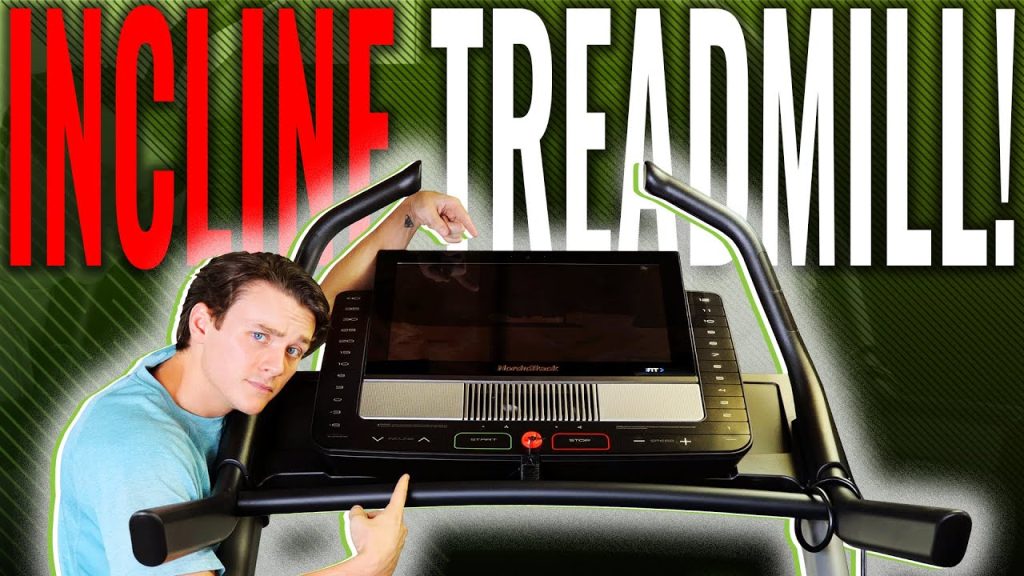
- Cardio Equipment: Treadmills, stationary bikes, and ellipticals have evolved significantly to cater to a wide range of fitness levels and preferences. Modern treadmills are now equipped with features like incline settings, preset workouts, and even virtual landscapes that simulate outdoor running trails. This addition transforms a mundane exercise into an engaging experience, appealing to many gym-goers looking to keep their workouts fresh.
- Smart Devices: The rise of wearable technology has captured the fitness world by storm, with fitness trackers and connected gym equipment providing real-time data analytics. Devices like the Fitbit and Apple Watch monitor heart rate, steps, and calories burned, allowing users to track their progress meticulously. Moreover, smart gym equipment like Peloton bikes offers interactive workouts that provide tailored guidance and motivation.
As science advances and our understanding of health deepens, new equipment continues to surface, merging practicality with technology. Nowadays, users can enjoy features that enhance their fitness journey, such as:
- Real-time feedback on performance and progress, enabling individuals to make immediate adjustments for optimal results.
- Interactive workouts that engage users in unique ways; for instance, virtual classes led by top trainers can make exercising more fun and community-driven.
- Customizable routines tailored to individual goals, which is especially beneficial in an era where fitness is increasingly driven by personal preferences and objectives.
This exploration into the evolution of exercise equipment highlights profound changes in our approach to fitness. As technology continues to advance, questions arise: Are we truly getting fitter thanks to these innovations, or is something deeper at play—perhaps a societal shift toward a more health-conscious lifestyle? In a country where the focus on personal wellness is growing, understanding these dynamics can lead us to more informed choices in our fitness journeys. Each piece of equipment, from the simplest dumbbell to the most sophisticated smart device, tells a story of adaptation, progress, and, ultimately, the pursuit of better health.
DISCOVER MORE: Click here to find out how supplements can impact muscle growth</
From Tradition to Technology: The Progression of Exercise Tools
The journey of exercise equipment is a story of human ingenuity and adaptability. The earliest forms of workout tools were rooted in basic functionality, aimed at enhancing physical strength and performance. Free weights, such as dumbbells and barbells, have been the stalwarts of strength training for centuries. Their simplicity belies their effectiveness; these unassuming iron weights have helped sculpt athletes’ physiques since ancient Greece, serving as a bedrock for strength training routines around the globe. Even today, free weights maintain their popularity due to their ability to engage multiple muscle groups, foster stabilizer muscles, and provide a full-body workout that can be tailored to specific fitness levels.
The introduction of resistance machines in the mid-20th century marked a significant advancement in strength training. These machines brought with them an element of control and precision, allowing individuals to isolate specific muscle groups without the need for a spotter. Not only do resistance machines reduce the risk of injury caused by improper form, but they also make it easier for newcomers to build confidence in their training routines. Machines such as the leg press and chest press have become staples in gyms across the United States, enabling users to hone in on their strength-training goals effectively. This shift from free weights to machines highlights a growing understanding of biomechanics and injury prevention within the fitness community.
The evolution of cardiovascular equipment showcases another leap forward in exercise technology. Early cardio machines were simple affairs, focusing primarily on the act of pedaling or running in place. However, over the years, devices like treadmills, stationary bikes, and ellipticals have become sophisticated pieces of technology. Modern treadmills can now simulate various terrains with incline adjustments and incorporate features like preset workout programs and interactive displays that motivate users. These advancements transform what was once a monotonous task into an engaging workout experience, making cardiovascular fitness more appealing to a broader audience.
As we progressed into the digital age, the emergence of smart devices has revolutionized how we approach fitness. Wearable technology, like fitness trackers, smartwatches, and connected gym equipment, has made it possible for individuals to monitor their health metrics in real time. For example, devices such as Fitbit and Apple Watch track heart rate, daily steps, and calories burned, offering insights that empower users to take control of their fitness journeys. Meanwhile, smart gym equipment, like Peloton bikes, provides interactive workouts that offer real-time feedback and virtual classes. This unique blend of technology encourages users to stay engaged, motivated, and accountable—making their fitness experience more personalized and social than ever before.
As we examine the evolution of these exercise tools, it’s essential to consider how each innovation has contributed to a culture that values fitness and well-being. Today, users enjoy an environment that encourages them to achieve their goals through:
- Data-driven insights that allow for immediate performance adjustments to maximize workouts.
- Community-driven experiences through apps and virtual classes, fostering a sense of belonging among fitness enthusiasts.
- Personalized fitness plans that align with individual goals, making fitness more accessible and enjoyable.
The evolution of exercise equipment not only showcases technological advancements but also reflects our changing societal attitudes toward health and wellness. As equipment continues to develop, we must consider the implications—are we truly becoming fitter, or is this evolution merely a response to our growing health consciousness? Understanding these dynamics will help individuals make informed decisions about their fitness journeys and empower them to embrace the tools available for achieving their health goals.
As we delve deeper into the evolution of exercise equipment, it’s crucial to recognize the significant transformations that have shaped our fitness routines. The journey from free weights to smart devices reflects advancements in technology, science, and lifestyle preferences.
The Rise of Smart Devices
Smart exercise equipment, such as connected fitness machines and wearable technology, has revolutionized the way we approach workouts. Equipped with sensors and integrated software, these devices collect data on performance metrics, allowing users to track their progress like never before. The integration of apps provides personalized workout programs, catering to individual fitness levels and goals. This bespoke approach not only boosts motivation but also enhances user experience, rendering older methods somewhat outdated.
The Benefits of Advanced Technology
The advent of smart technology in exercise equipment has also made fitness more accessible. Virtual training sessions enable individuals to participate in workouts led by expert trainers from the comfort of their homes. Moreover, social features allow users to connect with fellow fitness enthusiasts, motivating one another through challenges and shared experiences. This community aspect adds a layer of accountability and enjoyment to the often solitary activity of exercising.
Adaptive & Inclusive Features
Another remarkable aspect of the evolution in exercise equipment is the development of adaptive features that cater to users of all abilities. Smart devices often come equipped with adjustments for various fitness levels, age brackets, and specific needs, ensuring that everyone can find success on their fitness journey. This inclusivity marks a significant step forward in making exercise not just a personal endeavor, but a community-oriented experience.In conclusion, understanding the extent of these advancements serves as a call to action for individuals to evaluate their own fitness strategies. As we look forward to the future of exercise equipment, the blend of tradition and modern technology stands to benefit all who seek a healthier lifestyle.
DIVE DEEPER: Click here to learn how sleep enhances your gains
The Rise of Functional Fitness and Specialized Equipment
As fitness enthusiasts began to recognize the importance of functional movement and overall body conditioning, a new wave of exercise equipment emerged. Functional fitness focuses on training movements that mimic everyday activities, rather than isolating specific muscles. This shift has driven the popularity of tools like kettle bells, medicine balls, and resistance bands. These versatile pieces of equipment not only promote strength but also improve stability, flexibility, and coordination—essential components of overall physical health.
Kettle bells, for example, trace their origins back to Russian strongman competitions of the 1700s but gained a foothold in American fitness culture in the early 2000s. Their unique design allows for dynamic movements that engage multiple muscle groups. Training with kettle bells can significantly enhance strength and endurance while also boosting cardiovascular fitness. Similarly, medicine balls have found their way into modern training regimens, both in gyms and home workouts, offering a full-body workout option that encourages explosive power and core stability.
Resistance bands have also captured the attention of both personal trainers and home exercisers alike. Compact and easy to transport, these flexible bands offer a low-impact alternative to free weights and machines. The adjustable resistance caters to various fitness levels, making them an ideal choice for rehabilitation, seniors, and those new to exercise. Furthermore, resistance bands can be used to add variety to familiar exercises, breathing new life into mundane routines.
As the fitness landscape continued to evolve, the demand for specialty fitness equipment skyrocketed, leading to the development of tools designed to target specific workout modalities. For instance, the TRX suspension training system has gained popularity for its ability to leverage body weight for strength and endurance training. This innovative tool helps users engage their core while promoting functional strength, making it a favorite in both gym environments and home settings.
Moreover, the trend of bodyweight training has seen a resurgence, with equipment such as pull-up bars and gymnastic rings making their mark. In an era defined by gadgets, the reset to fundamentals has prompted individuals to return to exercises that utilize their own body weight as resistance. This minimalist approach not only fosters creativity in workouts but also emphasizes the versatility of what can be achieved without dependency on extensive equipment.
The evolution of exercise equipment is also closely linked to the growth of boutique fitness studios that specialize in unique formats. Gyms that focus on disciplines like CrossFit, yoga, and barre have introduced specific tools that tailor the workout experience. From sandbags in CrossFit to bolsters in yoga classes, these studios emphasize the significance of innovative equipment in enhancing members’ experiences and achieving optimal results.
As we delve deeper into the future of exercise equipment, the trend leans towards increased personalization and enhanced user experiences through advanced technology. Companies are now focused on developing gear that adapts to the individual’s fitness goals, preferences, and progress. The rise of custom or adaptable exercise equipment not only reflects a shift towards personal accountability but also paves the way for a more engaged and informed fitness community.
Ultimately, the landscape of exercise equipment continues to broaden, accommodating the diverse needs of increasingly health-conscious individuals. The convergence of traditional methods with modern inventions forms a tapestry of fitness solutions, prompting users to explore their unique paths towards achieving well-being and vitality.
DISCOVER MORE: Click here to enhance your home workout setup
Conclusion: Embracing the Future of Fitness Equipment
As we have journeyed through the history and evolution of exercise equipment, it is evident that the landscape has undergone significant transformations, from traditional free weights to cutting-edge smart devices. This evolution mirrors society’s growing emphasis on health and well-being, adapting to diverse fitness needs and preferences. Today’s equipment not only enhances physical strength and endurance but also integrates technology to offer personalized experiences, encouraging a more engaged fitness community.
The emergence of functional fitness tools, alongside specialized equipment, has elevated training routines, making them more versatile and effective. Equipment like kettle bells and resistance bands have redefined how we approach workouts, focusing on practical strength and overall mobility. Furthermore, the rise of boutique fitness studios emphasizes the need for innovative tools that tailor specific workout formats, catering not only to individual fitness levels but also fostering a sense of community.
As we look towards the future, the trend of integrating technology with fitness will continue to shape exercise equipment. The shift to smart devices not only allows for real-time feedback and progress tracking but also supports a more informed and motivated user base. This convergence of traditional fitness principles with modern technological advancements signifies a promising direction for the industry.
Ultimately, the evolution of exercise equipment encapsulates a broader movement towards holistic well-being. As individuals explore the myriad options available, they can discover unique paths to achieve their fitness goals. The journey from free weights to smart devices serves as a reminder that fitness is personal, adaptable, and continuously evolving—an exciting landscape for anyone committed to enhancing their health and vitality.
Related posts:
Home Gym Essentials: Choosing the Right Equipment for Your Space
The Role of Technology in Modern Fitness: How App-Connected Equipment is Changing Workouts
The Importance of Exercise Equipment Maintenance: Tips to Extend Lifespan
Eco-Friendly Exercise Equipment: A Review of the Best Sustainable Fitness Products
Multifunctional Exercise Equipment: Optimizing Space and Variety in Workouts

Beatriz Johnson is a seasoned fitness specialist and writer with a passion for simplifying the complexities of strength training and gym workouts. With over a decade of experience in the fitness industry, she specializes in topics like weight training techniques, workout programming, and exercise science principles. Through her work, Beatriz empowers readers to make informed fitness decisions, build sustainable training habits, and stay ahead in their journey toward stronger, healthier bodies.