
The Science Behind Positive Affirmations: How They Influence the Brain and Behavior
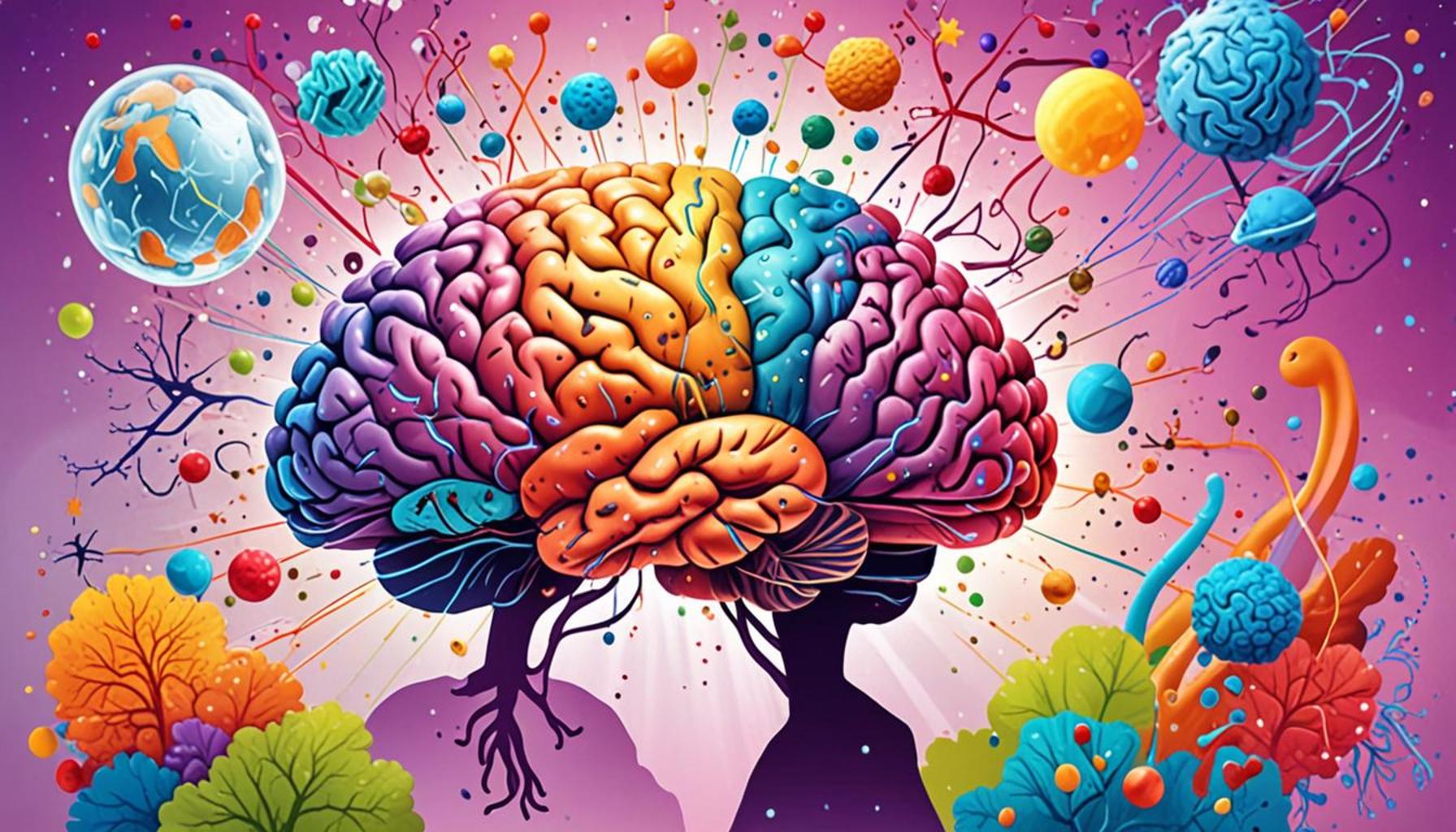
The Influence of Positive Language on Our Minds
In a world that often feels overwhelming, the notion of positive affirmations offers a glimmer of hope. These simple, positive statements can shape our outlook and influence our behavior in profound ways. By actively engaging with positive self-talk, we can begin to rewire our mental frameworks and foster a mindset primed for growth and resilience. But how exactly does this mental practice affect our brains and day-to-day lives?
Recent research has shed light on several fascinating mechanisms that underscore the power of affirmations:
- Neuroplasticity: The brain’s remarkable ability to reorganize itself by forming new neural connections allows us to change our thoughts and behaviors. For instance, repeatedly practicing positive affirmations cultivates a more optimistic outlook by strengthening the neural pathways associated with positive thinking, making it easier to adopt this attitude over time.
- Stress Reduction: Affirmations have been shown to lower cortisol levels, the primary stress hormone, helping to alleviate stress and anxiety. For example, studies indicate that individuals who engage in positive self-affirmation experience less emotional distress in challenging situations, improving both mental and physical health outcomes.
- Self-Identity: Regularly affirming positive beliefs about ourselves can bolster our self-concept. This practice anchors our sense of identity in positivity, providing a buffer against negative experiences and self-doubt. By stating affirmations like “I am capable” or “I deserve happiness,” individuals reinforce a healthy self-image critical for personal growth.
Incorporating positive affirmations into daily routines is not merely about cultivating an optimistic view; the implications extend to mental health and overall well-being. Research suggests that these affirmations can enhance our capacity to achieve goals, promote resilience, and improve interpersonal relationships. For instance, students who engage in positive affirmations before exams report improved performance and reduced anxiety levels, showcasing the profound impact of mindset on academic success.
As we delve deeper into this subject, we uncover compelling evidence and expert insights demonstrating how the practice of positive affirmations molds the brain’s pathways and influences behavior. Leading psychologists advocate for the inclusion of affirmations in therapy and self-care routines, recognizing their invaluable role in fostering positive mental health.
Ultimately, embracing the right words might just be the key to unlocking a healthier, more fulfilling mindset. By acknowledging and harnessing the power of language in our internal dialogue, we pave the way for greater emotional resilience and a happier life. From classrooms to workplaces, the potential benefits of positive affirmations are vast, urging us to explore this fascinating field further.

DISCOVER MORE: Click here to unlock your potential
Understanding the Mechanisms Behind Positive Affirmations
The fascination with positive affirmations lies not just in their simplicity but also in the complex science that supports their efficacy. Neurological studies reveal that engaging with these affirmations can trigger a cascade of responses in the brain, influencing both our emotional landscape and our subsequent behaviors. By unraveling these mechanisms, we can appreciate why repeating uplifting statements can be a transformative practice.
One of the most intriguing processes involved is the concept of neuroplasticity. Neuroplasticity refers to the brain’s inherent capacity to change throughout an individual’s life. When we practice positive affirmations, we stimulate specific neural pathways associated with optimism and self-worth. Over time, regular reinforcement of these thoughts can solidify these pathways, making positive thinking more automatic.
Moreover, the effects of affirmations extend directly to stress management. Research indicates that the practice of positive self-affirmation can significantly lower levels of cortisol, the body’s stress hormone. A study published in the Journal of Personality and Social Psychology found that participants who engaged in self-affirmation exercises were less likely to experience emotional distress during challenging situations. This reduction in stress not only benefits our mental health but also contributes to improved physical health outcomes.
Self-identity is also profoundly impacted by the regular practice of affirmations. By consistently affirming positive traits and beliefs about ourselves, we cultivate a more resilient self-concept. For example, affirmations like “I am worthy” or “I have the skills to succeed” allow individuals to establish a robust and positive self-image. This process acts as a buffer against the perception of failure and external criticism, playing a crucial role in personal growth and confidence.
The implications of positive affirmations stretch beyond individual well-being. They can bolster our performance and resilience in various life domains. Consider students who utilize positive affirmations before high-stakes exams; many report enhanced performance and reduced anxiety. This phenomenon highlights how our mindset can act as a catalyst for achieving personal and academic goals.
Understanding how positive affirmations shape brain activity not only opens avenues for personal development but also has broader applications in fields such as education and workplace wellness. Organizations are increasingly recognizing the value of positive affirmations in fostering a collaborative and productive atmosphere. By incorporating this practice into team-building exercises or stress management workshops, they encourage a culture of positivity that can lead to improved morale and innovation.
As we delve deeper into the relationship between language and mindset, it becomes evident that the power of words extends far beyond mere expression; they have the potential to reshape our mental frameworks and ultimately, our lives.
| Advantage | Explanation |
|---|---|
| Enhanced Self-Esteem | Positive affirmations can lead to improved self-esteem by reinforcing self-worth and promoting a positive self-image. |
| Reduced Stress and Anxiety | Practicing positive affirmations can help in reducing levels of stress and anxiety by fostering a mindset that focuses on positivity and resilience. |
When discussing the science behind positive affirmations and their influence on the brain, it is essential to recognize that these affirmations can affect not only our mental state but also our physiological responses. Various studies have shown that by engaging in a regular practice of positive self-talk, individuals can activate neural pathways associated with optimism and self-worth. These practices can lead to tangible improvements in behavior, such as increased motivation and perseverance.Moreover, neuroscience supports the idea that consistent affirmation can rewire our brains. This neuroplasticity allows for changes in thought patterns that can empower individuals to overcome self-doubt. The connection between language and cognition highlights the importance of using positive statements as tools for change. This helps individuals not only feel better about themselves but also impacts their interactions with others, fostering more meaningful connections and improved social dynamics.The biological effects of positive affirmations extend to physiological responses as well, such as reduced cortisol levels, which are associated with stress. By harnessing the power of positive thoughts, individuals can experience a greater sense of control over their emotional and psychological landscape, further illustrating the profound implications of affirmations on brain function and behavior.
DISCOVER MORE: Click here to learn how positive affirmations can transform your challenges
The Role of Positive Affirmations in Behavioral Conditioning
In addition to the impact on brain structure and stress levels, positive affirmations play a pivotal role in behavioral conditioning. This concept stems from behavioral psychology and posits that our thoughts and beliefs can influence our actions. By repeatedly engaging with affirmations, individuals can condition themselves to respond positively to challenges rather than succumb to negativity or doubt.
For instance, in a workplace setting, employees who practice positive affirmations may develop a stronger sense of motivation and engagement. When a worker repeats an affirmation such as “I am resilient and can overcome any challenge,” they are not merely reciting words; they are beginning to align their actions with that belief. This alignment can lead to improved problem-solving skills and a proactive approach to collaboration. In real-world applications, companies like Google and Salesforce have adopted mindfulness and positive affirmation practices to enhance employee productivity and satisfaction, with measurable outcomes in team cohesion and goal attainment.
Another significant area where affirmations influence behavior is in mental health treatment. Cognitive Behavioral Therapy (CBT) integrates affirmations as a way to combat negative self-talk. Clinicians encourage patients to create personalized affirmations reflecting their desired mindset, which helps restructure harmful thought patterns. A meta-analysis in the journal Psychological Bulletin highlighted that individuals who utilized this technique reported a marked decrease in symptoms of anxiety and depression, pointing to the profound link between language, thought, and emotional health.
The implementation of positive affirmations extends to the realm of sports psychology as well. Athletes often engage in affirmations to enhance their mental toughness and focus. A study published in the Journal of Sport & Exercise Psychology revealed that athletes who repeated affirmations prior to competitions experienced increased self-confidence, which translated into improved performance metrics. This practice is instrumental in creating a mindset of success, where mental barriers are dismantled and peak performance is achieved.
Moreover, the effectiveness of positive affirmations can also be seen in the context of social relationships. Affirmations that promote empathy and connection, such as “I am a supportive friend,” can lead to improved interpersonal interactions. This effect is not merely anecdotal; research indicates that when people engage in self-affirmation, they become more open to understanding others’ perspectives, thereby fostering closer social bonds. This reinforces the idea that affirmative language does not solely impact individual psychology but has the potential to enhance collective human experience.
While the practice of affirmations is rooted deeply in individual self-empowerment, it simultaneously nurtures an environment conducive to collective growth. As communities, workplaces, and educational systems begin to leverage the scientific understanding of affirmations, the imperative to enhance well-being and performance becomes clearer. The capacity for positive affirmations to reshape our experiences signals a powerful intersection of psychology, neuroscience, and real-world application.
DISCOVER: Click here to find out how affirmations can transform your mindset
The Transformative Power of Positive Affirmations
As we delve into the science behind positive affirmations, it becomes clear that their influence extends far beyond mere words. The connection between our thoughts, brain function, and behavior is profound and supported by an array of scientific research. Through the lens of neuroscience and psychology, affirmations have proven to be effective tools for reshaping our mental landscape, enhancing our emotional well-being, and fostering productive behavioral patterns.
From the workplace to personal development, affirmations facilitate improved engagement, productivity, and interpersonal connections. Organizations that implement these practices, like Google and Salesforce, witness tangible benefits in team dynamics and performance. Furthermore, in clinical psychology, the integration of positive affirmations within therapies such as Cognitive Behavioral Therapy (CBT) showcases their potential to combat negative self-talk and bolster mental health. The findings highlight a crucial interplay between language and cognitive restructuring, leading to real-world improvements in emotional health and resilience.
Furthermore, in sports psychology, the use of affirmations among athletes illustrates their ability to cultivate a winning mindset, a testament to the power of self-belief. The implications for social relationships are equally compelling, as affirmations that encourage empathy help strengthen bonds within communities. With the collective growth nurtured by engaging in positive affirmations, it is evident that their benefits ripple outward, contributing to a more connected and supportive society.
In conclusion, the emerging research emphasizes that positive affirmations are not simply platitudes; they are foundational tools for fostering personal empowerment and communal harmony. As we continue to explore the intersection of psychology, neuroscience, and behavior, embracing the practice of positive affirmations may unlock pathways to healthier minds and enriched lives, urging us all to reconsider the power of our words.